by Katherine Soditus | Jun 22, 2026 | Uncategorized
Buying a home is one of the biggest financial decisions most people will ever make. In today’s market, where mortgage rates, inventory levels, and buyer expectations continue to shift, it’s easy to feel overwhelmed. Many buyers enter the process excited and hopeful, but small mistakes along the way can create unnecessary stress, delays, or financial challenges.
The good news is that most of these mistakes are avoidable with the right preparation and mindset. Understanding what to watch for can help buyers make smarter, more confident decisions throughout the home-buying journey.
Focusing Only on Mortgage Rates
One of the biggest mistakes buyers make is waiting endlessly for the “perfect” interest rate. While mortgage rates are important, they are only one piece of the bigger picture.
Trying to perfectly time the market can sometimes lead to missed opportunities, rising home prices, or additional years of renting. Instead of focusing only on rates, buyers should consider overall affordability, long-term goals, and whether a home fits their current lifestyle and budget.
Skipping Mortgage Pre-Approval
Some buyers begin touring homes before speaking with a lender, which can create disappointment later if financing expectations don’t match reality.
Getting pre-approved early helps buyers understand their budget, monthly payment range, and loan options before starting the home search. It also shows sellers that a buyer is serious and financially prepared, which can strengthen an offer in competitive situations.
Overlooking Additional Costs
Many first-time buyers focus mainly on the down payment and monthly mortgage payment while forgetting about other expenses that come with homeownership.
Closing costs, homeowners insurance, property taxes, maintenance, utilities, and future repairs should all be part of the financial plan. Leaving room in the budget for unexpected expenses can help prevent financial stress after moving in.
Letting Emotions Drive Decisions
Buying a home is emotional, but making decisions based purely on excitement can sometimes lead to regret. Some buyers rush into offers because they fear missing out, while others overlook important issues because they fall in love with a home too quickly.
Taking time to carefully evaluate the property, neighborhood, condition, and long-term affordability can lead to better decisions and greater peace of mind.
Making Major Financial Changes
One common mistake during the mortgage process is making large financial changes before closing. Opening new credit cards, financing a vehicle, changing jobs, or missing payments can affect loan approval and delay the transaction.
Lenders continue reviewing financial information throughout the process, so maintaining financial stability is extremely important until closing is complete.
Ignoring the Importance of Location
A beautiful home may lose its appeal if the location does not fit your lifestyle or long-term needs. Buyers sometimes focus so heavily on the house itself that they overlook commute times, schools, neighborhood growth, convenience, or future resale value.
Location remains one of the most important parts of any real estate decision because it affects both daily life and long-term investment potential.
Not Working With Trusted Professionals
Trying to navigate the home-buying process alone can quickly become overwhelming. Experienced real estate agents and lenders help buyers understand the market, negotiate effectively, avoid costly mistakes, and move through the process with greater confidence.
Having the right professionals on your side can make the entire experience smoother and far less stressful.
Final Thoughts
Today’s housing market may feel challenging at times, but avoiding common mistakes can make the process much more manageable. Preparation, patience, and realistic expectations go a long way when buying a home.
Instead of focusing on fear or market headlines, focus on finding a home that fits your financial situation, long-term goals, and lifestyle needs. With the right guidance and planning, buyers can still make smart and successful decisions in today’s market.
by Katherine Soditus | Jun 19, 2026 | Uncategorized
As we reach the midpoint of 2026, the housing market continues to balance between steady demand and cautious optimism. Mortgage rates have inched upward for several weeks, inventory remains tight in many areas, and buyers are increasingly focused on homes that align with their lifestyle and long-term financial goals.
For homeowners, this moment offers a valuable opportunity to pause, assess, and plan, whether you’re thinking about selling, refinancing, or simply maintaining your property’s value.
1. Rates and Buyer Activity
After five consecutive weeks of rate increases, the average 30-year conventional mortgage now sits near 6.56%, up slightly from early May. While that’s higher than spring lows, it’s still roughly 0.40% better than last year, keeping affordability within reach for many buyers.
Purchase activity dipped about 4% compared to the same week last year, but overall volume remains up around 8% year-over-year, a sign that buyers are adapting rather than retreating.
The takeaway: even with modest rate pressure, buyer confidence remains intact, especially among those motivated by lifestyle changes or long-term stability.
2. Inventory and Pricing
Inventory continues to lag behind historical norms, but new listings are slowly increasing as homeowners gain clarity on market conditions. Prices have held steady in most regions, with slight appreciation in suburban and mid-sized markets where lifestyle-driven moves are strongest.
If you’re considering selling, this environment favors well-maintained, move-in-ready homes. Buyers are willing to pay a premium for properties that minimize post-purchase stress, especially those with updated systems, energy-efficient features, and flexible spaces.
3. Seasonal Homeowner Priorities
Summer brings both opportunity and responsibility. Rising temperatures mean higher energy bills and increased wear on home systems. Now is the time to:
-
Service your HVAC system before peak heat
-
Inspect your roof and gutters after spring storms
-
Check window seals and insulation to improve efficiency
-
Refresh landscaping for curb appeal and comfort
These small steps protect your investment and help your home stand out if you decide to list later this summer.
4. The VA Loan Advantage
With Memorial Day still fresh in mind, it’s worth remembering the VA loan program, one of the most powerful tools available to qualified veterans. VA loans allow up to 100% financing, and recent updates have brought requirements closer to conventional standards.
For sellers, accepting VA financing is not only practical, it is a meaningful way to support those who’ve served.
5. Looking Ahead
The second half of 2026 will likely bring continued moderation: steady rates, gradual inventory growth, and a market driven more by lifestyle than speculation. For homeowners, that’s good news. Stability means predictability, and predictability builds confidence.
If you’d like a personalized mid-year market review or want to explore how current trends affect your home’s value, call or text me anytime. I’m here to help you make informed, confident decisions.
by Katherine Soditus | Jun 19, 2026 | Uncategorized
Summer desserts should be effortless, light enough for warm evenings yet indulgent enough to feel special. The Peach & Berry Parfait delivers exactly that balance. It’s colorful, refreshing, and built from ingredients that thrive in early summer, making it a perfect treat for homeowners who love seasonal simplicity.
Whether you’re hosting a backyard dinner or winding down after a long day, this parfait captures everything June 2026 is about: fresh flavor, easy preparation, and a touch of everyday luxury.
1. Why This Dessert Works
This recipe celebrates what’s in season, ripe peaches, juicy berries, and creamy yogurt or whipped mascarpone. It’s quick to assemble, requires no baking, and looks beautiful layered in a glass.
The combination of textures, silky cream, tender fruit, and crunchy granola, makes it satisfying without being heavy. It’s also endlessly customizable: swap peaches for nectarines, add honey for sweetness, or use Greek yogurt for extra protein.
2. Ingredients
-
2 ripe peaches, sliced thin
-
1 cup mixed berries (strawberries, blueberries, raspberries)
-
1 cup vanilla Greek yogurt or whipped mascarpone
-
½ cup granola (choose a lightly sweetened variety)
-
1 tablespoon honey or maple syrup
-
Fresh mint leaves for garnish
Optional upgrades homeowners love:
-
A drizzle of balsamic glaze for depth
-
Toasted almonds or coconut flakes for crunch
-
A splash of lemon juice to brighten the fruit
3. How to Make It
Prep the fruit. Slice peaches and toss berries gently with honey or syrup. Let them sit for 5 minutes to release natural juices.
Layer the parfait. In a clear glass or small bowl, spoon a layer of yogurt, followed by fruit, then granola. Repeat until the glass is full.
Finish with flair. Top with a few mint leaves and a drizzle of honey. Serve immediately or chill for up to an hour before serving.
4. Serving Ideas
This dessert shines at:
-
Outdoor gatherings, served in mason jars or stemless wine glasses
-
Weeknight dinners, a quick no bake finish that feels elegant
-
Brunches or open houses, easy to prep in advance and visually appealing
It’s also a great way to use up fruit from your garden or local farm stand, a small nod to sustainable living that homeowners appreciate.
5. The Balanced Expert Takeaway
The Peach & Berry Parfait proves that great desserts don’t need complexity. It’s about letting fresh ingredients speak for themselves and creating moments of calm enjoyment in the middle of a busy season.
by Katherine Soditus | Jun 19, 2026 | Uncategorized
Summer is the perfect time to take your home’s outdoor spaces from functional to exceptional. Whether you’re planning to sell soon or simply want to enjoy your property more, smart outdoor improvements can deliver both lifestyle benefits and measurable returns.
In 2026, homeowners are prioritizing upgrades that blend comfort, sustainability, and curb appeal, and the results are impressive.
1. The Rise of Outdoor Living
Outdoor living continues to dominate homeowner wish lists. Patios, decks, and shaded seating areas are no longer “extras”; they’re essential extensions of the home.
Buyers increasingly look for spaces that feel like a natural continuation of indoor living. Adding features like covered pergolas, outdoor kitchens, or fire pits can create a sense of retreat and relaxation that resonates with today’s lifestyle-driven market.
2. Landscaping That Pays Off
A well-designed landscape does more than beautify; it boosts perceived value and reduces maintenance.
Focus on:
-
Native plants that thrive in local climates
-
Smart irrigation systems that conserve water
-
Low-maintenance ground cover to reduce upkeep
Homes with professional landscaping can see returns of 100–200% on investment, depending on the scope and region.
3. Energy-Efficient Outdoor Features
Sustainability is shaping homeowner decisions more than ever. Solar-powered lighting, energy-efficient pool pumps, and smart sprinkler systems are small upgrades that make a big impact.
These features appeal to eco-conscious buyers and help reduce monthly utility costs, creating benefits for both comfort and resale value.
4. Curb Appeal Still Reigns
First impressions matter. Fresh paint, updated lighting, and a clean entryway can transform how your home is perceived.
Consider:
-
Modern exterior lighting for evening curb appeal
-
Updated front doors in bold, welcoming colors
-
Driveway resurfacing for a polished finish
These small touches often yield outsized returns when it’s time to sell.
5. Balancing Enjoyment and ROI
The best outdoor projects combine personal enjoyment with market appeal. Think of upgrades as investments in both your lifestyle and your property’s future.
If you’re unsure where to start, focus on improvements that enhance usability, such as shade, seating, and lighting, before moving to larger structural changes.
Final Thoughts
Outdoor spaces are where memories are made and where value grows quietly over time. Whether you’re hosting summer gatherings or planning ahead for resale, thoughtful upgrades can make your home more enjoyable and more desirable.
If you’d like help identifying which outdoor improvements offer the best return in your area, I’d be happy to share local insights and recommendations tailored to your property.
by Katherine Soditus | Jun 15, 2026 | Uncategorized
Higher mortgage rates have made many buyers question whether now is still a good time to purchase a home. While today’s rates are higher than the record lows of previous years, homeownership is still possible with the right strategy and financial planning.
The key is focusing less on trying to perfectly time the market and more on finding a home that fits your long-term goals and monthly budget.
Focus on Affordability
One of the most important steps in today’s market is understanding what monthly payment feels comfortable for your lifestyle. Instead of focusing only on the maximum loan amount you qualify for, consider your overall expenses, savings goals, and future financial plans.
Sometimes adjusting your price range slightly can create more flexibility and make homeownership feel much more manageable.
Strengthen Your Financial Profile
Your credit score plays a major role in the mortgage rate you receive. Buyers with stronger credit often qualify for better loan terms and lower monthly payments.
Before applying for a mortgage, it’s helpful to pay down debt, avoid opening new credit accounts, and make all payments on time. Even small improvements can make a noticeable difference.
Explore Different Loan Options
There is no one-size-fits-all mortgage. Fixed-rate loans provide stable payments, while adjustable-rate mortgages may offer lower starting rates. FHA, VA, and other loan programs may also help certain buyers qualify more easily.
Working with a trusted lender can help you understand which option best fits your situation and long-term goals.
Don’t Wait for the “Perfect” Time
Many buyers continue waiting for rates to drop dramatically, but trying to perfectly time the market can lead to missed opportunities. Life events like growing families, job changes, or relocations often matter more than short-term rate movements.
If rates improve later, refinancing may also become an option in the future.
Think Long-Term
Homeownership is a long-term investment. While mortgage rates are important, they are only one part of the bigger financial picture. Building equity, creating stability, and owning a home that fits your lifestyle can provide long-term value over time.
Final Thoughts
Higher mortgage rates have changed the housing market, but they haven’t made homeownership impossible. With the right preparation, realistic expectations, and smart financial planning, buyers can still successfully purchase homes that fit their needs and future goals.
Instead of focusing only on market headlines, focus on what works best for your personal situation. A well-planned purchase today can still become a valuable investment and an important step toward long-term stability.

by Katherine Soditus | Oct 6, 2025 | Residential | Pending

$485,000
Pending
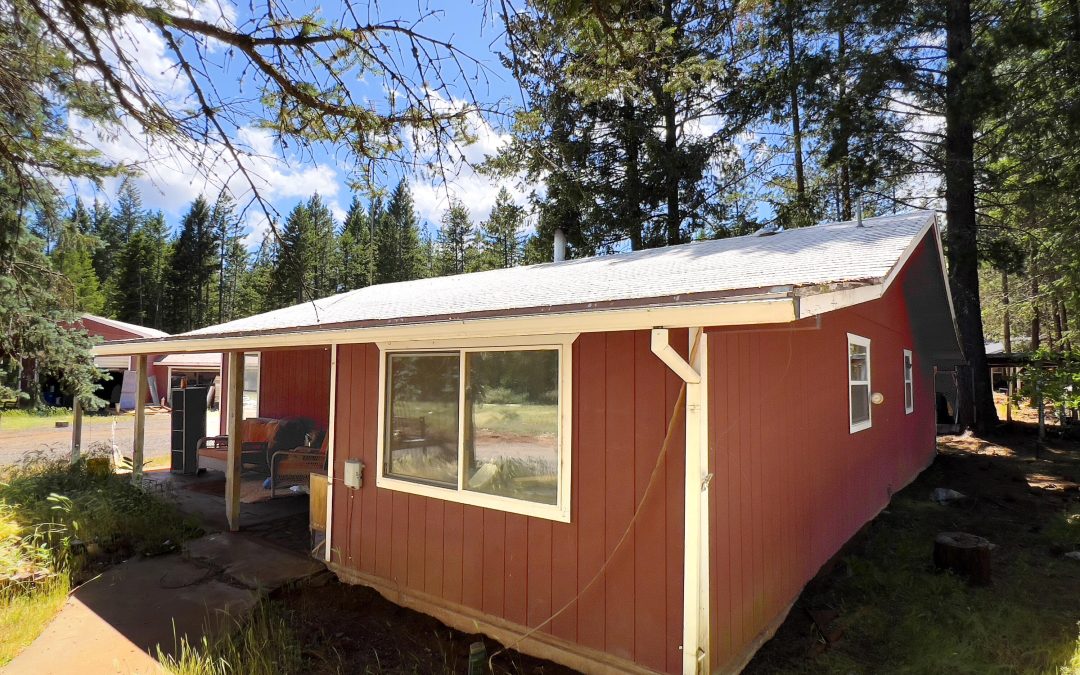
GOLDEN CHANCE IN GOLD HILL! Discover countryside bliss on 5 serene acres with not one, but TWO homes. The newer gem is a 1994 manufactured, offering modern comforts amid rustic charm. Plus, the vintage 1964 charmer—a cozy 2-bed, 1-bath —currently moonlights as a spacious storage haven. But wait, there’s more! A collection of outbuildings awaits exploration, including a roomy shop, a COLOSSAL RV carport that fits two RVs, and a detached 2car garage with a cozy office/workroom/bedroom—perfect for a home business. Animal lovers, rejoice! There’s a chicken coop, and plenty of space for livestock, gardening, or equestrian. Imagine a seasonal creek meandering behind the property, whispering tales of gold panning adventures. With a garage, TWO carports, and ample room for RVs, this property is a haven for vehicles & gardeners with the 11gpm well. Whether you’re dreaming of homestead or a retreat from the hustle & bustle, this property invites you to explore its beauty AND opportunity!
by Katherine Soditus | Oct 3, 2025 | Residential | Active

$359,900
Active
Welcome through the wrought iron gate to a unique development opportunity on a level, fenced 5-acre parcel. Parcel features TWO rustic homes with knotty pine accents and exceptional potential. The front home built in 1986 is appx 980sf; originally designed as 1bd/1ba, its floor plan has been modified. The primary home built in 1981 is appx 1190sf; initially a 2bd/1.5ba, this home has also undergone modifications to create multiple rooms. Each home is equipped with a separate septic system and electric meter. Records indicate that the roof on each home was replaced in 2009. Property includes several outbuildings: centrally located laundry building w/storage, oversized detached two-bay garage w/workshop areas, sheds, and attached carport w/space for multiple RVs. Well provides water to both homes; prior records at 27GPM. Currently undergoing cleanup, this property offers significant development potential with multiple clearings, beautiful meadows, water & a forested perimeter! 3D tour!

by Katherine Soditus | Sep 23, 2025 | Residential | Active
$485,000
Active
GOLDEN CHANCE IN GOLD HILL! Discover countryside bliss on 5 serene acres with not one, but TWO homes. The newer gem is a 1994 manufactured, offering modern comforts amid rustic charm. Plus, the vintage 1964 charmer—a cozy 2-bed, 1-bath —currently moonlights as a spacious storage haven. But wait, there’s more! A collection of outbuildings awaits exploration, including a roomy shop, a COLOSSAL RV carport that fits two RVs, and a detached 2car garage with a cozy office/workroom/bedroom—perfect for a home business. Animal lovers, rejoice! There’s a chicken coop, and plenty of space for livestock, gardening, or equestrian. Imagine a seasonal creek meandering behind the property, whispering tales of gold panning adventures. With a garage, TWO carports, and ample room for RVs, this property is a haven for vehicles & gardeners with the 11gpm well. Whether you’re dreaming of homestead or a retreat from the hustle & bustle, this property invites you to explore its beauty AND opportunity!
by Katherine Soditus | Sep 11, 2025 | Home Inspections
Home inspections provide crucial information about a property’s condition, helping buyers make informed decisions and avoid costly surprises after purchase. Understanding the inspection process and how to interpret results protects your investment and provides negotiating leverage.
What Inspections Cover: Professional home inspections examine structural elements, electrical systems, plumbing, HVAC systems, roofing, windows, doors, and visible insulation. Inspectors look for safety hazards, code violations, signs of water damage, and systems nearing the end of useful life. They don’t typically examine areas that aren’t accessible without damage, like inside walls or underground utilities.
Choosing the Right Inspector: Select certified, experienced inspectors with strong local reputations. Ask for references and verify licensing and insurance. Some inspectors specialize in certain property types or systems. Your real estate agent can recommend qualified professionals, but ultimately, the choice and payment responsibility is yours as the buyer.
Specialized Inspections: Depending on property characteristics and location, additional inspections might be necessary. These could include termite/pest inspections, radon testing, lead paint assessment, asbestos evaluation, septic system inspection, or water quality testing. Older homes or those in specific geographic areas may require specialized attention.
Attending the Inspection: While not required, attending your inspection provides valuable education about your potential new home. Inspectors can explain systems, point out maintenance needs, and answer questions about normal wear versus concerning issues. This knowledge helps you maintain the property properly after purchase.
Understanding Inspection Reports: Professional inspection reports categorize findings by severity and system. Not every issue requires immediate attention or represents a deal-breaker. Learn to distinguish between cosmetic concerns, routine maintenance needs, safety hazards, and major system problems. Your inspector and agent can help prioritize issues.
Negotiating After Inspection: Inspection results provide negotiating opportunities. You might request repairs, ask for credits toward closing costs, or negotiate price reductions. Focus negotiations on significant safety or structural issues rather than minor cosmetic items. Remember that sellers aren’t obligated to address every inspection finding.
Major Red Flags: Some inspection findings warrant serious consideration or potential deal termination. These include major structural problems, extensive electrical issues, significant plumbing problems, roof damage requiring replacement, HVAC system failures, or environmental hazards like mold or asbestos. Consult with specialists for detailed assessments of major concerns.
Cost Considerations: Home inspections typically cost $300-$600, depending on property size and location. Specialized inspections add additional costs but can save thousands if they identify problems. Consider inspection costs as insurance against much larger potential repair bills.
New Construction Inspections. Even new homes benefit from professional inspections. Construction defects, installation errors, and code compliance issues can occur in new builds. Many builders offer warranties, but identifying problems early ensures they’re addressed promptly.
Seller Inspections Sellers sometimes conduct pre-listing inspections to identify and address issues before marketing their properties. This can expedite sales processes and reduce negotiation conflicts, though buyers should still conduct their own inspections.
Post-Inspection Planning: Use inspection reports to plan future maintenance and budgeting. Understanding your home’s systems and their conditions helps prioritize improvements and prevent minor issues from becoming major problems.
Home inspections are investments in peace of mind and financial protection. They provide essential information for making one of life’s largest financial decisions and help ensure your new home is safe and sound.
by Katherine Soditus | Sep 11, 2025 | Lifestyle
When touring homes, one of the most significant decisions you’ll face is choosing between open floor plans and traditionally defined spaces. Both layouts offer distinct advantages, and the right choice depends entirely on how you live, work, and entertain. Understanding these differences can help you make a more informed decision that aligns with your long-term happiness and functionality needs.
The Appeal of Open Floor Plans
Open concept living has dominated home design for the past two decades, and for good reason. These flowing spaces create an immediate sense of spaciousness, making even modest square footage feel larger and more luxurious. The seamless connection between kitchen, dining, and living areas facilitates conversation and interaction, making them ideal for families with young children or those who frequently entertain guests.
From a practical standpoint, open floor plans offer exceptional flexibility. Furniture can be rearranged easily to accommodate different activities or life changes. The abundant natural light that flows unobstructed through connected spaces creates a bright, airy atmosphere that many homebuyers find appealing. Additionally, open concepts often provide better sightlines, allowing parents to supervise children while preparing meals or working in adjacent areas.
The resale value of open floor plans remains strong in many markets, as they continue to appeal to a broad range of buyers who prioritize modern living and entertaining capabilities.
The Case for Defined Spaces
However, the pendulum is beginning to swing back toward more defined spaces, and many homeowners are rediscovering the benefits of traditional room layouts. Defined spaces offer privacy and quiet zones that have become increasingly valuable, especially as more people work from home. A separate home office or study provides the noise control and professional backdrop necessary for video calls and concentrated work.
Defined rooms also allow for better organization and purpose-specific design. A formal dining room can accommodate special occasions and holiday gatherings, while a separate living room provides a quiet retreat for reading or watching television. These distinct spaces can be decorated and furnished according to their specific function, creating more personalized and efficient environments.
From an energy efficiency perspective, defined spaces allow for better temperature control. You can heat or cool only the rooms you’re using, potentially reducing utility costs. Additionally, cooking odors and kitchen noise remain contained, preventing them from permeating the entire living area.
Lifestyle Considerations
Your daily routines and family dynamics should drive your decision. Families with teenagers might appreciate defined spaces that allow for different activities to occur simultaneously without interference. Those who work from home may find that defined spaces provide essential boundaries between professional and personal life.
Consider your entertaining style as well. If you prefer intimate dinner parties, a separate dining room might suit you better than a kitchen island with bar seating. Conversely, if you enjoy casual gatherings where guests naturally gravitate toward the kitchen, an open concept facilitates this social flow.
Finding Middle Ground
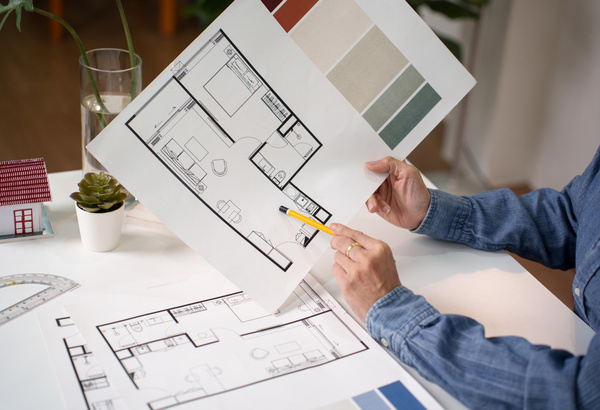
Many newer homes offer hybrid approaches that combine the best of both worlds. Partial walls, columns, or ceiling changes can define spaces while maintaining visual connection. Pocket doors or sliding barn doors allow you to open or close spaces as needed, providing flexibility for different occasions.
Making Your Decision
When evaluating properties, spend time visualizing your daily routines in each type of space. Consider your current and future needs, including potential family changes, work arrangements, and lifestyle evolution. Walk through the home at different times of day to understand how natural light, traffic flow, and noise levels affect each layout.
Remember that both open and defined floor plans can work beautifully when they match your lifestyle. The key is choosing the layout that supports how you actually live, not how you think you should live. By honestly assessing your needs and preferences, you’ll find the home layout that enhances your daily life and provides long-term satisfaction.