by Katherine Soditus | Feb 23, 2026 | Uncategorized
The real estate market in 2026 is evolving as buyers, sellers, and investors adapt to economic shifts, changing preferences, and new technologies. Whether you are planning to buy a home, sell a property, or invest in real estate, understanding current trends can help you make smarter decisions and take advantage of opportunities ahead.
One of the major trends in 2026 is modest price growth. Many industry projections indicate that home prices are expected to rise moderately, reflecting steady demand and improving affordability as mortgage rates slowly ease. In some markets, prices are stabilizing rather than surging, creating a more balanced environment for buyers and sellers. Inventory levels are also expected to grow as more properties enter the market, giving buyers more options and negotiating power while keeping price growth in check.
Demand for housing remains strong in many regions. Surveys of developers show that nearly 70 percent expect home prices to increase by more than five percent in 2026, driven by sustained demand from end users rather than speculative buyers. This trend suggests that overall demand for homes continues to outpace supply in many urban and suburban areas, helping support price growth and market activity.
Technology is another key trend shaping real estate this year. Digital tools, data analytics, artificial intelligence, and virtual tours are transforming how homes are marketed, bought, and sold. AI-driven valuation and pricing tools help buyers and sellers understand fair value more precisely, while virtual reality tours and online platforms make property browsing more accessible and engaging. These technologies are increasing transparency, reducing transaction friction, and enhancing the overall experience for all market participants.
Demographic shifts are influencing who participates in the housing market. Experts note a gradual resurgence of first-time buyers as inventory increases and affordability improves, although mortgage rates remain above historical lows. Changing household compositions, such as single female buyers entering the market in greater numbers, are reshaping demand patterns and preferences.
Sustainability and environmental concerns are also gaining traction in real estate. Eco-conscious design, energy-efficient features, and green building certifications are increasingly attractive to buyers and investors. Properties that meet higher sustainability standards often command higher rents or sale prices and may benefit from regulatory incentives in some regions.
Market conditions vary significantly by location. Some areas are experiencing slower sales and longer listing times as buyers remain cautious in the face of economic uncertainty and high prices, while other regions continue to show resilience or even growth in luxury segments. Local markets with strong employment growth or tight inventory are often more competitive, while areas facing affordability challenges may see slower activity or price corrections.
Overall, the 2026 real estate market is expected to be more balanced, with moderate price growth, improving affordability, and technology playing a larger role in transactions. Buyers looking for homes have more choices and negotiating power than in recent years, while sellers benefit from ongoing demand in many desirable locations. For investors, trends like sustainability, demographic shifts, and technological innovation present unique opportunities to diversify portfolios and capture value in evolving market conditions.
by Katherine Soditus | Feb 3, 2026 | Uncategorized
Choosing the right health insurance plan can feel overwhelming, especially with so many options and varying costs. However, taking the time to compare plans carefully can help you avoid paying more than necessary while still getting the coverage you need. By focusing on a few key factors, you can make a smarter and more cost-effective decision.
Understand the Types of Health Plans
Health insurance plans come in several forms, including Health Maintenance Organizations, Preferred Provider Organizations, Exclusive Provider Organizations, and High Deductible Health Plans. Each type differs in terms of provider flexibility, referral requirements, and out-of-pocket costs. Understanding how each plan works helps you narrow down options that fit your lifestyle and healthcare needs.
Look Beyond the Monthly Premium
A lower monthly premium may seem appealing, but it does not always mean lower overall costs. It is important to consider deductibles, copayments, coinsurance, and out-of-pocket maximums. A plan with a higher premium but lower out-of-pocket costs may save you money if you expect to use healthcare services regularly.
Check the Provider Network
Before choosing a plan, confirm that your preferred doctors, hospitals, and specialists are included in the network. Going out of network can significantly increase your costs. Selecting a plan that includes your current providers can help you avoid unexpected medical bills.
Review Prescription Drug Coverage
Prescription costs can add up quickly. Compare how each plan covers your medications, including copays, coinsurance, and whether your prescriptions are included on the plan’s formulary. Choosing a plan that covers your medications at a lower cost can make a big difference in your overall healthcare expenses.
Estimate Your Healthcare Needs
Consider how often you visit doctors, whether you have ongoing medical conditions, and if you anticipate any major medical procedures. Matching a plan to your expected usage can help you avoid overpaying for coverage you do not need or underinsuring yourself for care you are likely to use.
Compare Total Annual Costs
To avoid overpaying, calculate the total annual cost for each plan. This includes premiums plus estimated out-of-pocket expenses based on your healthcare needs. Comparing total costs rather than just premiums gives a clearer picture of which plan offers the best value.
Use Available Tools and Resources
Many insurance marketplaces and employer benefit portals offer comparison tools that allow you to see costs and coverage side by side. These tools can simplify the process and highlight differences you might otherwise overlook.
Final Thoughts
Comparing health plans carefully can save you money and reduce stress in the long run. By understanding plan types, evaluating total costs, and considering your personal healthcare needs, you can choose a health insurance plan that provides the right balance of coverage and affordability without overpaying.
by Katherine Soditus | Oct 14, 2025 | Uncategorized
The real estate market is always evolving, and 2025 is no exception. Whether you’re a homeowner looking to sell or an investor evaluating your next move, understanding how to navigate a shifting market is essential. As a seasoned real estate agent, I’ve seen the highs, the lows, and everything in between, and I can tell you that success in today’s market requires strategy, flexibility, and a clear understanding of buyer behavior.
Understand the Current Climate
First, let’s talk about what’s shifting. Interest rates have fluctuated, inventory levels are adjusting, and buyer expectations are evolving. In some areas, demand remains strong, while others are seeing longer days on market and more price reductions. Sellers can no longer rely on the frenzied pace of previous years. Instead, they need to be intentional and informed.
Price It Right from the Start
One of the biggest mistakes sellers make in a changing market is overpricing. Buyers are more cautious now, and they’re doing their homework. If your home is priced too high, it may sit without offers, leading to eventual price cuts that can hurt your negotiating power. A well-priced home attracts attention, creates urgency, and often leads to stronger offers. I always recommend a comparative market analysis to determine a competitive price based on recent sales, current listings, and local trends.
Presentation Matters More Than Ever
In a slower or more balanced market, presentation becomes critical. Homes that are clean, well-staged, and professionally photographed stand out. Buyers want to envision themselves living in the space, and that’s hard to do if the home feels cluttered or outdated. Simple updates like fresh paint, modern lighting, and neutral décor can make a big difference. Curb appeal also plays a major role, as first impressions matter.
Be Flexible and Responsive
Today’s buyers are looking for value, and they’re not afraid to negotiate. Sellers who are open to reasonable concessions, whether it’s covering closing costs, offering a home warranty, or adjusting timelines, often find smoother transactions. Flexibility doesn’t mean giving everything away, but it does mean being realistic and responsive to market conditions.
Market Strategically
Gone are the days of listing a home and waiting for offers to roll in. Now, marketing needs to be proactive and targeted. That includes high-quality online listings, virtual tours, social media promotion, and email outreach to potential buyers and agents. I also recommend hosting open houses and private showings to create buzz and build momentum. The goal is to reach the right audience with the right message.
Work With a Knowledgeable Agent
In a shifting market, experience matters. A skilled agent understands how to position your home, negotiate effectively, and adapt to changing conditions. We track local trends, monitor buyer behavior, and adjust strategies as needed. Whether you’re selling a primary residence or an investment property, having a trusted advisor by your side can make all the difference.
Selling in today’s market isn’t about luck; it’s about strategy. If you’re considering listing your home, let’s discuss what’s working now and how we can position your property for success. The market may be shifting, but with the right approach, your goals are still within reach.
by Katherine Soditus | Aug 18, 2025 | Uncategorized
With mortgage rates still hovering near recent highs, many prospective homebuyers are asking the million-dollar question: Is now the right time to buy—or should I wait for lower mortgage rates? The answer isn’t one-size-fits-all, but there are clear tradeoffs to consider.
Where Are Mortgage Rates Headed?
As of August 2025, the average 30-year fixed mortgage rate is between 6.6% and 6.7%—a noticeable decline from the 7%+ peak in late 2024. However, experts say any additional rate drops in 2025 are likely to be small.
-
End-of-year forecasts expect rates to fall only slightly, reaching 6.3%–6.5%, and possibly dip below 6% sometime in 2026.
-
Even if the Federal Reserve cuts interest rates, mortgage rates may not follow in a meaningful way. That’s because mortgage rates are more closely tied to long-term bond yields than to short-term rate changes.
In short: significant relief is unlikely soon.
Why Buying Now Might Be Smarter Than Waiting
While it’s tempting to wait for a lower rate, that strategy comes with some big risks.
1. You Lock in Today’s Home Prices
Even if mortgage rates decrease a little, home prices may continue rising, especially as pent-up demand returns. A modest rate drop might not compensate for a higher purchase price in the future.
2. You Beat the Buyer Rush
When rates fall—even slightly buyer competition tends to surge. That can lead to bidding wars, inflated prices, and a more stressful buying experience. Buying now means less competition in many markets.
3. You Can Always Refinance Later
If rates fall meaningfully, you can refinance your loan to take advantage. Refinancing gives you flexibility without missing today’s buying opportunities.
4. You Start Building Equity
The sooner you buy, the sooner you start paying down your principal and building home equity, rather than continuing to rent or delay investing in real estate.
Why You Might Wait
That said, waiting isn’t always a bad idea—if it fits your financial and personal situation.
1. Lower Monthly Payments
Even a 0.5% drop in mortgage rates could save you tens of thousands over the life of your loan, depending on the home price and loan size.
2. More Affordable Entry Point
For some buyers, especially first-timers, every bit counts. A lower rate could mean qualifying for a larger loan or bringing monthly payments within reach.
3. Uncertainty in the Market
If you believe a market correction is possible—or you’re in a region where prices are overheated—it might make sense to watch and wait.
The Key Tradeoff: Price vs. Rate
|
Factor
|
Buy Now
|
Wait for Lower Rates
|
|
Mortgage Rate
|
6.6%–6.7%
|
Possibly 6.3%–6.5% (late 2025)
|
|
Home Price
|
Lock in current prices
|
Could rise with demand
|
|
Competition
|
Moderate
|
Likely higher later
|
|
Equity Growth
|
Begins now
|
Delayed
|
|
Refinancing Option
|
Yes
|
Not applicable yet
|
|
Market Risk
|
Lower
|
Higher (if rates don’t drop)
|
Strategic Advice
-
If you’re financially ready, buy now and refinance later.
-
If affordability is tight or you’re not emotionally ready, it’s OK to wait.
-
Get pre-approved and explore your options.
Bottom Line
Trying to time the housing market perfectly is risky—even for seasoned investors. While a lower mortgage rate may sound ideal, the potential rise in home prices, increased buyer competition, and lost equity-building time may outweigh the benefits of waiting.
If you’re prepared financially and emotionally, buying now—with a plan to refinance later—might just be the most strategic move in today’s unpredictable market.
by Katherine Soditus | Jul 23, 2025 | Uncategorized
Over the past few years, homebuyers have navigated a rollercoaster of rising interest rates, tight inventory, and soaring prices. But now, there’s a silver lining: mortgage rates are finally stabilizing—and that’s good news for anyone looking to buy a home.
Here’s what that means, and how it could work in your favor.
What Does “Stabilizing” Mean?
Mortgage rates, after peaking in the high 7% range, have recently leveled off. Instead of fluctuating wildly week-to-week, rates have hovered in the mid-6% zone for several weeks. This type of consistency is a welcome change in what’s been an unpredictable housing market.
Experts like Danielle Hale, chief economist at Realtor.com, note that while rates may decline slightly in the coming months, don’t expect dramatic drops. The key takeaway? Predictability is returning, and that opens up real opportunities for buyers.
How Stable Rates Help Buyers Right Now
1. You Can Plan with Confidence
When rates are stable, it’s easier to create an accurate homebuying budget. You’re not at risk of being priced out of a home overnight because the interest rate jumped 0.5%. This makes mortgage pre-approvals and long-term financial planning far more reliable.
2. More Buyers Are Jumping In
The market is showing signs of renewed activity. According to recent data, mortgage applications are up significantly—about 18% higher than this time last year. Stability brings confidence, and that confidence is pulling more people back into the housing market.
3. Inventory Is Improving
One of the biggest barriers for buyers has been low housing supply. But that’s changing—inventory levels are up around 29% year-over-year. With more options and less urgency, buyers are regaining negotiating power.
4. More Financing Options
In today’s market, creative financing is making a comeback. Buyers are exploring:
-
Rate buydowns, where sellers or lenders help reduce your interest rate for the first few years.
-
Assumable mortgages, allowing you to take over a seller’s lower-rate mortgage.
These options could make monthly payments far more manageable.
What’s Next for Rates?
While economists don’t anticipate a sharp drop, a gentle downward trend could occur if inflation continues to ease. If rates dip below 6%, it could bring a wave of sellers back into the market, further boosting inventory.
Even so, experts agree: waiting for the “perfect” rate isn’t the smartest strategy. The current environment offers a rare mix of stable financing, rising inventory, and negotiable prices.
Buyer Tips for a Stable Market
|
Tip
|
Why It Helps
|
|
Get pre-approved
|
Know exactly how much house you can afford.
|
|
Lock your rate
|
Protect yourself from any unexpected spikes.
|
|
Explore buydown or assumable options
|
Lower your monthly payment upfront.
|
|
Work with a savvy agent
|
A knowledgeable pro can help you navigate shifting inventory and price trends.
|
Final Thoughts
In today’s market, stability is power. While mortgage rates aren’t as low as they were a few years ago, they’re no longer a moving target—and that gives you the ability to make informed, confident decisions.
So if you’ve been waiting for the “right moment” to buy, this might be it. Steady rates, more homes, and a competitive edge for buyers all make this a time worth acting on.

by Katherine Soditus | Jun 9, 2025 | Land | Closed

$117,500
Closed
LEVEL LAND & WELL! Seize this remarkable opportunity to own a stunning 7.83-acre lot, perfectly located just 1/3 mile from the beautiful Lake Selmac and the resort community – only 20 miles from Grants Pass! This property offers a captivating blend of flat, picturesque fields and gently rolling wooded hills, cleared of underbrush, making it an ideal canvas for your dream home, garden, or small farm. With a well already in place and a 16×16 shed, this parcel is ready for your vision. Enjoy the serenity of a seasonal creek that runs through the landscape and the abundance of wildlife that calls this area home. Open, cleared areas frame mountain view vistas! The NE corner of the property abuts the SW corner of BLM land, providing even more privacy and natural beauty. Don’t miss your chance to create your own oasis in this sought-after location. With neighboring properties boasting of several natural springs and ample flat space for gardening or livestock, the potential here is limitless.

by Katherine Soditus | Jun 4, 2025 | Commercial Real Estate
Commercial real estate (CRE) is evolving fast in 2025. From hybrid work to sustainable buildings, investors and businesses must adapt to a shifting landscape. Here’s a quick look at the key trends shaping CRE this year.
1. The Office Market is Adapting
The rise of hybrid work is changing office demand. Companies prefer smaller, flexible spaces with modern amenities. Older office buildings are being repurposed for co-working, residential, or mixed-use spaces.
2. Industrial Space Stays Strong
E-commerce, supply chain shifts, and last-mile delivery keep industrial properties in high demand. Cold storage and smart warehouses are growing niches, especially near major metros.
3. Retail is Reinventing Itself
Retail isn’t dead—it’s transforming. Experiential retail, local shopping centers, and service-based stores are performing well, while big-box formats face continued pressure.
4. Multifamily Holds Steady
With housing affordability still an issue, multifamily properties remain a stable investment. Suburban and build-to-rent communities are especially popular.
5. Technology & Sustainability Are Essential
Proptech is streamlining management and enhancing tenant experience. Meanwhile, ESG (Environmental, Social, Governance) considerations are becoming standard in property development and investment.
Conclusion
CRE in 2025 is full of opportunities for those who stay agile. Whether you’re investing, leasing, or developing, understanding these trends can help you stay ahead.
by Katherine Soditus | Jun 3, 2025 | Residential | Active

$450,000
Active
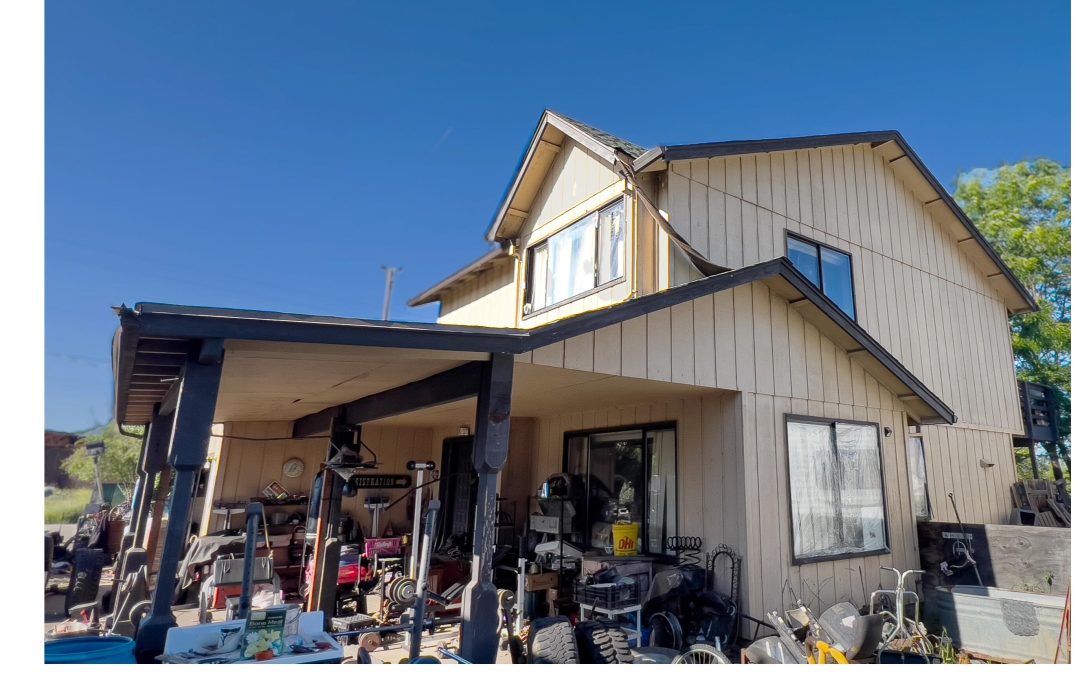
Investor Opportunity – Priced for Immediate Action! This property is a true diamond in the rough—hidden behind clutter and deferred maintenance, with clear built-in equity if cleaned and renovated. Currently in foreclosure, it offers a rare chance for resourceful investors with cash and the resources necessary to capitalize on a promising 11+ acres featuring a charming 4-bed, 2-bath farmhouse on TWO parcels. The home includes an attached 2-car garage, a large detached metal barn with room for 6+ vehicles, and a smaller wood barn. The expansive land boasts open pasture, a pond, garden beds, and fruit trees, all near commercial zones with excellent freeway access. Although citations and back taxes exist, the property’s potential for sweat equity and future value is immense. This is your opportunity to MAKE IT HAPPEN—clean up, upgrade, and unlock the true earning potential of this rural yet conveniently located estate. Act fast—property needs work, but the rewards could be significant!
by Katherine Soditus | May 28, 2025 | Home Worth, Property Value
Are you wondering how much your home is really worth in today’s market? Whether you’re thinking of selling, refinancing, or just curious, your home’s value might be higher—or lower—than you expect. In this article, we’ll break down what affects your home’s value and how to find out what it’s truly worth right now.
📊 Why Home Value Isn’t What You Think
Many homeowners assume their property’s value is based on the last appraisal, tax assessment, or the price they paid. But real estate markets are constantly changing. The true value of your home depends on:
- Current market conditions (supply and demand)
- Local sales trends
- Interest rates
- Renovations and upgrades
- Location factors like school zones and crime rates
These factors can cause home values to rise or fall quickly—sometimes by tens of thousands of dollars.
🏘️ Small Changes Can Add Big Value
Even small improvements can impact your home’s worth. Things like:
- A new kitchen or bathroom remodel
- Energy-efficient appliances
- Fresh interior and exterior paint
- Landscaping or curb appeal updates
On the flip side, issues like roof damage, outdated systems, or unfinished repairs can lower your property’s value.
🧠 Pro Tip: A $10,000 renovation can sometimes increase home value by $20,000 or more, depending on the project and market!
🧮 Online Home Valuations vs. Professional Appraisals
You’ve probably checked your home’s value on sites like Zillow, Redfin, or Realtor.com. While these tools offer a quick estimate, they’re not always accurate. Why?
- They use automated algorithms
- They rely on comparable sales (comps)
- They don’t account for upgrades or property condition
For the most accurate result, consider a Comparative Market Analysis (CMA) from a licensed real estate agent or a professional appraisal.
💰 Selling Soon? Knowing Your Value Is Key
If you’re planning to sell, knowing your home’s true market value is essential. It helps you:
- Set the right price
- Avoid overpricing or underpricing
- Negotiate better offers
- Maximize your return on investment
Many homeowners lose money by guessing or relying on outdated data.
🧭 How to Find Out What Your Home Is Worth
Ready to discover your home’s real value? Here’s how:
✅ Step 1: Use a Home Value Estimator
Try online tools for a quick idea, but don’t stop there.
✅ Step 2: Contact a Local Real Estate Agent
Ask for a free home valuation report or CMA tailored to your home and neighborhood.
✅ Step 3: Schedule an Appraisal
If you’re refinancing or preparing to sell, a professional appraisal gives you the most accurate estimate.
📈 Bottom Line: Your Home’s Value May Surprise You
Your home’s worth isn’t set in stone—and in today’s real estate market, it could be worth significantly more (or less) than you think.
Get a free home value estimate today and see where you stand. Whether you’re staying put or planning a move, understanding your equity puts you in control.

by Katherine Soditus | May 27, 2025 | Land | Pending
$129,000
Pending
LEVEL LAND & WELL! Seize this remarkable opportunity to own a stunning 7.83-acre lot, perfectly located just 1/3 mile from the beautiful Lake Selmac and the resort community – only 20 miles from Grants Pass! This property offers a captivating blend of flat, picturesque fields and gently rolling wooded hills, cleared of underbrush, making it an ideal canvas for your dream home, garden, or small farm. With a well already in place and a 16×16 shed, this parcel is ready for your vision. Enjoy the serenity of a seasonal creek that runs through the landscape and the abundance of wildlife that calls this area home. Open, cleared areas frame mountain view vistas! The NE corner of the property abuts the SW corner of BLM land, providing even more privacy and natural beauty. Don’t miss your chance to create your own oasis in this sought-after location. With neighboring properties boasting of several natural springs and ample flat space for gardening or livestock, the potential here is limitless.