by Katherine Soditus | Jan 5, 2026 | Uncategorized
Thinking about selling your home? One of the easiest ways to make it more appealing, and help it sell faster, is decluttering. A clean, organized space feels bigger, brighter, and more inviting. Here’s how to tackle it without feeling overwhelmed.
Start Small and Stay Focused
Decluttering an entire home can feel daunting, so break it down. Start with one room or even one closet. Small wins keep you motivated and make the process manageable.
Use the “Keep, Donate, Toss” Method
Grab three boxes or bins:
-
Keep: Items you use regularly or truly love.
-
Donate: Things in good condition that you no longer need.
-
Toss: Broken, outdated, or unusable items.
This simple system helps you make quick decisions without second-guessing.
Clear Countertops and Surfaces
Buyers love clean, open spaces. Remove excess items from kitchen counters, bathroom vanities, and tabletops. A few tasteful accents are fine, but less is more when staging.
Organize Closets and Storage Areas
Closet space is a big selling point. Neatly arranged shelves and hangers make storage look plentiful. Consider adding inexpensive organizers or bins to keep things tidy.
Consider Temporary Storage
If you have bulky furniture or seasonal items, renting a small storage unit can be worth it. The goal is to make rooms feel spacious and uncluttered.
Why Decluttering Matters
-
Better Photos: Clean spaces photograph beautifully, which attracts more online views.
-
Faster Sales: Buyers can picture themselves living in your home when it feels open and inviting.
-
Less Stress: Moving is easier when you’ve already pared down your belongings.
Quick Resources
-
thecontainerstore.com — Storage solutions
-
goodwill.org — Donation drop-off info
-
familyhandyman.com — DIY organization tips
Bottom line: Decluttering is one of the most cost-effective ways to prepare your home for sale. Start small, stay consistent, and enjoy the peace of mind that comes with a clean, organized space.
by Katherine Soditus | Oct 27, 2025 | Uncategorized
For the first time in a while, homebuyers are finally catching a break. After years of skyrocketing home prices and mortgage rates, the housing market is showing signs of relief — and it’s making a real difference in monthly budgets.
According to recent national data, the average monthly mortgage payment on a median-priced home has dropped by about $280 compared to earlier this year. That change might sound small, but in real terms, it’s reshaping what buyers can afford and how they approach the market.
Let’s break down what this shift means, why it’s happening, and how you can take advantage of it.
:chart_with_downwards_trend: What Exactly Is the $280 Shift?
The “$280 shift” refers to the average monthly savings homebuyers are now seeing on mortgage payments thanks to a combination of lower interest rates and stabilizing home prices.
Here’s what that means in practical terms:
-
A buyer who was paying $2,900/month for a median-priced home could now pay roughly $2,620/month for the same property.
-
Over a year, that’s nearly $3,400 in savings — and over a 30-year loan, more than $100,000 in total payment relief.
-
With the same monthly budget, a buyer can now afford a home priced $20,000–$25,000 higher than just a few months ago.
In short: this is a real, measurable improvement in home affordability — one that’s opening doors for many buyers who had stepped back from the market earlier this year.
:gear:️ What’s Driving the Change?
Several factors are working together to create this $280 shift:
1. Mortgage Rates Are Easing
After spiking in recent years, mortgage rates have started to retreat modestly. Even a 0.5% drop in interest rates can lower a monthly payment by hundreds of dollars, depending on the loan size.
2. Home Prices Are Stabilizing
In many markets, home price growth has slowed or plateaued. That means buyers aren’t facing the same relentless increases that defined 2023 and early 2024, helping affordability catch up.
3. Builder and Seller Adjustments
Builders and sellers are offering more incentives — rate buydowns, closing cost credits, or price adjustments — to entice buyers back into the market. Combined with rate relief, these discounts further boost purchasing power.
:bulb: Why $280 Matters More Than You Think
It’s easy to overlook a few hundred dollars in the context of a six-figure mortgage, but that savings can dramatically shift your buying options.
Here’s how:
-
More Home for the Money: You may now qualify for a higher-priced home — maybe one with the extra bedroom, better location, or modern upgrades you wanted.
-
Greater Financial Comfort: A lower payment reduces financial stress and allows more room in your budget for other goals, like savings or renovations.
-
Improved Confidence: Many buyers who were sidelined by affordability issues are now feeling empowered to re-enter the market.
Think of it this way — the $280 shift is the difference between having to compromise on your dream home and finally being able to afford it.
:house: What Buyers Should Do Now
If you’ve been waiting for the right time to buy, this may be it. Here’s how to take advantage of the affordability shift:
-
Recalculate Your Budget:
Use updated mortgage rates and price data to see what you can now afford — you may be pleasantly surprised.
-
Get Pre-Approved Again:
A fresh pre-approval reflects current rates and gives you a clearer picture of your real purchasing power.
-
Watch Local Market Trends:
National averages are helpful, but housing markets vary. In some areas, prices may still rise; in others, you could find even better deals.
-
Act Before Rates Shift Again:
Mortgage rates can change quickly. If you find a home that fits your budget, locking in a rate while conditions are favorable could save you thousands.
:warning:️ A Few Things to Keep in Mind
-
The $280 figure is an average — your actual savings will depend on home price, location, loan size, and credit profile.
-
Even with improved affordability, homeownership still requires careful planning for taxes, insurance, and maintenance.
-
Market conditions can shift — if demand rebounds, prices or rates could climb again.
:white_check_mark: The Bottom Line
The $280 shift is a welcome signal that the tide may be turning in favor of homebuyers. With mortgage rates easing and prices stabilizing, buying power is improving for the first time in years.
If you previously felt priced out, it’s worth taking another look. You might discover that the home you thought was out of reach is now comfortably within budget.
by Katherine Soditus | Oct 14, 2025 | Uncategorized
I’ve learned that market shifts, especially those tied to interest rates, can dramatically reshape buyer and seller behavior. September 2025 has brought one of those pivotal moments. With the Federal Reserve lowering its benchmark interest rate for the first time this year, the ripple effects are already being felt across the housing market.
Let’s explore what this means for buyers, sellers, and the broader economic landscape.
What Happened with Interest Rates?
On September 17, the Federal Reserve announced a 25 basis point cut to its benchmark interest rate, bringing it down to a range of 4.0%–4.25%. This decision was driven by signs of a cooling labor market and persistent inflationary pressures. In response, mortgage rates have dipped, with the 30-year fixed rate falling to approximately 6.25%, the lowest level seen in nearly a year.
This shift has already sparked renewed interest in the housing market, with mortgage applications surging and buyers re-evaluating their purchasing power.
Impact on Buyers
- Improved Affordability
Lower interest rates translate directly into lower monthly mortgage payments. For many buyers, this means increased affordability and a larger budget. Compared to mid-2025, the average buyer now has roughly \$20,000 more in purchasing power, making previously out-of-reach homes more attainable.
- Renewed Market Activity
The rate drop has triggered a noticeable uptick in buyer activity. Mortgage applications rose by 9.2% in early September, and refinance applications saw double-digit growth. Buyers who were previously hesitant due to high rates are now re-entering the market, hoping to lock in favorable terms before rates fluctuate again.
- Challenges for First-Time Buyers
Despite the rate relief, first-time buyers continue to face hurdles. They now represent just 24% of the market, a historic low. With the median age of first-time buyers rising to 38, affordability and competition remain significant challenges, especially in high-demand areas.
Impact on Sellers
- More Informed and Motivated Buyers
Today’s buyers are data-driven and strategic. They’re watching interest rate trends closely and are prepared to act quickly when conditions align. Sellers should expect faster decision-making and more negotiation, especially in competitive markets.
- Inventory Trends
Active listings have increased by 20.9% year-over-year, but remain 14.3% below pre-pandemic levels. Homes are spending slightly more time on the market, averaging around 60 days, but well-priced properties in desirable locations continue to attract strong interest.
- Regional Market Variations
While some regions, particularly in the South and West, are experiencing a cooling trend, areas in the Northeast and Midwest remain stable. In Massachusetts, suburban communities continue to draw buyers seeking lifestyle amenities, good schools, and long-term value.
Broader Economic Signals
- Unemployment has risen to 4.3%, the highest since 2021.
- Core inflation remains elevated at 3.1%, keeping pressure on household budgets.
- Analysts expect further rate cuts, potentially bringing the benchmark rate down to 2.75%–3% by mid-2026.
These indicators suggest a cautiously optimistic outlook. While lower rates may stimulate demand, economic uncertainty could temper growth in some segments.
Advice for Clients
For Buyers:
- Act strategically: Lock in rates while they’re low, but ensure the home fits your long-term needs.
- Explore flexible options: Consider homes with multi-use spaces or potential for rental income.
- Focus on value: Don’t chase the lowest rate—look for properties that offer lasting value.
For Sellers:
- Price competitively: Since buyers are watching every dollar, accurate pricing is key.
- Highlight lifestyle features: Energy efficiency, outdoor space, and flexible layouts are in demand.
- Be open to negotiation: Creative financing options can help close deals in a shifting market.
Final Thoughts
Real estate is always local. While national trends provide context, your neighborhood, timing, and goals matter most. Whether you’re buying, selling, or simply watching the market, now is a great time to connect with a trusted professional who understands the nuances of today’s landscape.
by Katherine Soditus | Sep 22, 2025 | Uncategorized
When was the last time you checked the value of your home? If you’re like most homeowners, the answer might be “not recently” or maybe “never.” But in today’s ever-changing real estate market, understanding your home’s true value is more important than ever.
Whether you’re planning to sell, refinance, or just curious about your investment, knowing the accurate worth of your home could save you thousands of dollars.
Why Home Value Matters
Your home isn’t just the place you live—it’s also likely one of your biggest financial assets. Its value affects:
-
Equity: The more your home is worth, the more equity you have.
-
Refinancing Opportunities: Better rates and terms often hinge on your home’s current value.
-
Property Taxes: Local governments base property taxes on assessed value, which may not always reflect market value.
-
Resale Profit: Knowing your home’s market value helps you set the right price and negotiate better offers.
What Determines a Home’s Value?
Many factors play into what your home is worth on the open market. These include:
-
Location: Proximity to schools, parks, shopping, and public transportation can increase value.
-
Condition: A well-maintained home with modern updates typically appraises higher.
-
Size and Layout: Square footage, number of bedrooms and bathrooms, and functional layout all matter.
-
Comparable Sales (Comps): Recent sales of similar homes in your area are a key benchmark.
-
Market Trends: Is it a buyer’s or seller’s market? Economic conditions impact pricing.
-
Upgrades and Renovations: Kitchen remodels, new roofing, or energy-efficient systems can all boost value.
Common Misconceptions About Home Value
-
Zillow Knows Best? Online estimates (like Zestimates) are just that—estimates. They don’t always reflect local market nuances.
-
Your Purchase Price = Current Value: The market may have shifted drastically since you bought your home.
-
Renovations Always Pay Off: Some upgrades have better ROI than others. Over-improving can actually price you out of your neighborhood.
How to Find Out What Your Home Is Really Worth
-
Hire a Professional Appraiser
-
A certified appraiser gives a formal, unbiased valuation—useful for refinancing, legal matters, or pricing a sale.
-
Get a Comparative Market Analysis (CMA)
-
Use Online Tools (With Caution)
-
Check Local Listings and Sales
When Should You Reassess Your Home’s Value?
You should consider checking your home’s value when:
-
You’re thinking of selling or refinancing
-
You’ve made significant renovations
-
The market has shifted noticeably
-
You’re considering a home equity loan or line of credit
-
Your property tax assessment seems off
The Bottom Line
Knowing how much your home is really worth empowers you to make smarter financial decisions. Don’t rely on guesswork or outdated information. Take the time to get a realistic valuation—your future self (and your wallet) will thank you.
by Katherine Soditus | Jul 30, 2025 | Uncategorized
With headlines dominated by rising interest rates, economic uncertainty, and affordability challenges, it’s easy to assume the housing market has gone quiet. But while the pace has certainly changed from the pandemic-fueled frenzy, one thing is clear: buyers are still in the market—and they’re still buying.
Contrary to the narrative that no one is making moves, recent activity shows strong demand across several key buyer segments. In fact, many well-priced homes are still attracting attention, offers, and competitive negotiations.
The Market Has Shifted—But It Hasn’t Stopped
The days of multiple offers within hours and homes selling far over asking price may have cooled in many areas, but demand hasn’t disappeared. It’s simply become more strategic.
Here’s what’s driving continued buyer activity:
1. Demographic Demand Is Strong
Millennials—now the largest generation in the workforce—are entering their prime home-buying years. Many are purchasing their first homes or upgrading as their families grow. Generation Z is also stepping into the market earlier than expected, looking for stability and investment opportunities.
These buyers are fueling demand despite economic headwinds.
2. People Still Need to Move
Regardless of market conditions, life continues. Job changes, relocations, growing families, downsizing, and lifestyle shifts all prompt people to buy and sell. These “needs-based” buyers remain active regardless of where interest rates or inflation stand.
3. Tight Inventory Is Creating Opportunity
While higher mortgage rates have cooled speculative buying, low inventory continues to support demand. In many markets, homes that are well-priced and move-in ready still receive strong interest and may sell quickly.
Some buyers also see the current climate as an opportunity to purchase with less competition than they would have faced just a year or two ago.
4. Creative Financing Is Keeping Buyers Engaged
Buyers are adapting to today’s market realities through a variety of methods, including:
-
Mortgage rate buydowns
-
Adjustable-rate mortgage (ARM) products
-
First-time buyer assistance programs
-
Negotiated seller concessions or closing cost credits
These tools are helping many navigate higher borrowing costs while still pursuing homeownership.
For Sellers: Don’t Sit on the Sidelines
If you’re thinking about selling and assuming the market isn’t active—think again. There are still qualified, motivated buyers looking for homes. What’s changed is that buyers are more selective, value-conscious, and responsive to homes that are well-prepared and realistically priced.
Sellers who invest in presentation, repairs, and accurate pricing are still seeing strong results.
For Buyers: It May Be a Strategic Window
While affordability remains a challenge, today’s slower pace gives buyers more room to:
-
Negotiate price or repairs
-
Conduct thorough inspections
-
Avoid bidding wars
-
Lock in now and refinance later if rates fall
Waiting for the “perfect market” can lead to missed opportunities—especially if home prices remain firm or rise again.
The Bottom Line
The housing market isn’t frozen—it’s simply different than it was during the pandemic surge. Buyers are more cautious, interest rates are higher, but demand is still very much alive. Smart, informed buyers and sellers are continuing to transact every day.
So if you’ve been asking yourself, “Is anyone actually buying homes right now?”—the answer is yes.
And if you’re thinking about making a move, now might be a better time than you think.
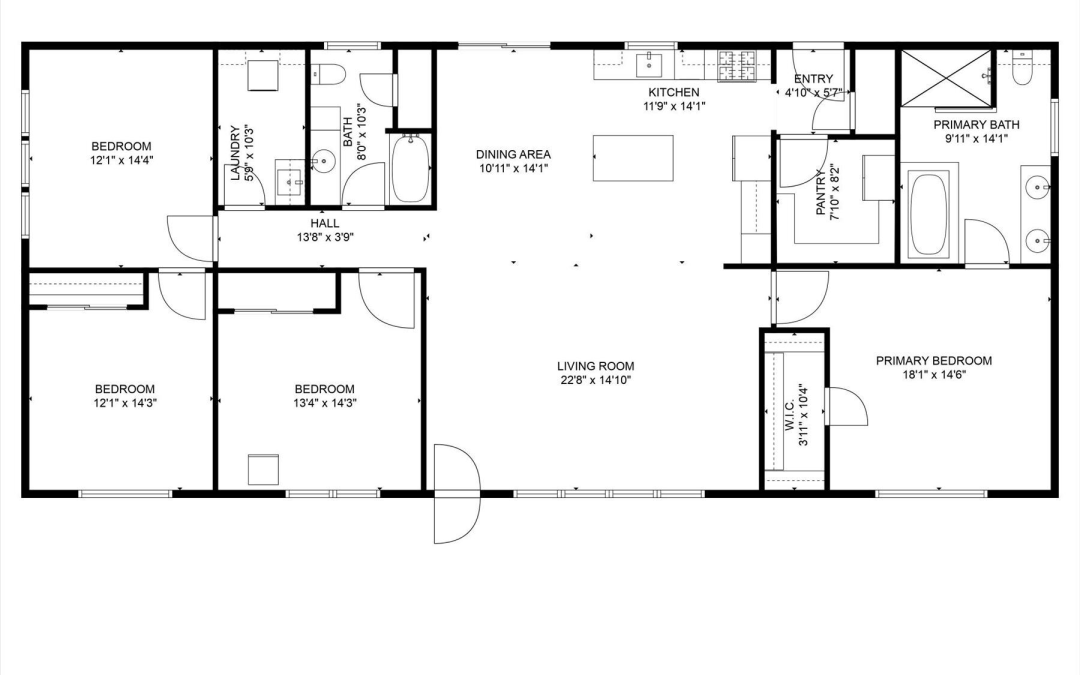
by Katherine Soditus | May 27, 2025 | Residential | Active

$549,900
Active
10+/-ACRES – 60+/-GPM WELL – BACKS TO BLM – RV PAD. Beautifully, well-maintained home features premium finishes, modern amenities, and a spacious open floor plan. Property boasts a high-capacity 60+/- GPM well providing abundant water to the mostly level open pasture protected by forested elevation & end-of-road privacy. Backing to 100+/- acres of BLM land, it offers unparalleled privacy, stunning views, and access to outdoor recreation. Outbuildings provide storage and workspace, while the existing RV pad accommodates your RV. There’s outbuildings and plenty of room for animals, gardening, and outdoor activities. The land’s private setting makes it ideal for nature lovers seeking tranquility and space. Upgrades include energy-efficient windows, and upgraded appliances. Perfectly positioned for both rural living and convenient access to local amenities, this property is a rare find for those wanting space, privacy, and outdoor fun. NO DRIVE-BY, DO NOT GO TO PROPERTY WITHOUT AGENT!

by Katherine Soditus | May 27, 2025 | Advice For Sellers
Image by Ray Stockwell using Canva
Spring is one of the most popular times to sell a home—and for good reason. The weather is nice, the flowers are blooming, and buyers are out in full force. But just because it’s a hot market doesn’t mean every listing sells itself. In fact, many homeowners make small (and avoidable!) mistakes that end up costing them time, money, or both.
If you’re planning to sell this spring, here are the top five mistakes to avoid—and how to get it right from the start.
1. Overpricing Your Home
It’s tempting to aim high—especially when the market is buzzing—but pricing your home too high right out of the gate can backfire. Today’s buyers are well-informed, and if your home seems overpriced compared to others nearby, they may skip it entirely. The longer your home sits, the more likely buyers will assume something’s wrong with it.
How to avoid it: Work with a trusted real estate agent to set a strategic, market-driven price. A well-priced home generates more interest, often leading to better offers and even bidding wars.
2. Skipping the Spring Clean & Curb Appeal
Spring is when homes are supposed to shine. Buyers are drawn to bright, clean, and welcoming spaces—and first impressions start at the curb. Sellers who neglect the yard, exterior, or general cleaning could turn buyers off before they even walk through the door.
How to avoid it: Freshen up landscaping, power wash the driveway, clean windows, and declutter inside. A few inexpensive updates can go a long way in creating that “wow” factor.
3. Ignoring Minor Repairs
Small issues—like leaky faucets, squeaky doors, or chipped paint—might not seem like a big deal, but to buyers, they signal that the home hasn’t been well-maintained. These tiny red flags can raise doubts about the condition of the rest of the property.
How to avoid it: Do a walk-through of your home with fresh eyes, or better yet, with your agent. Make a checklist and take care of the easy fixes before you list.
4. Being Unprepared for Showings
Spring brings more showings, and flexibility is key. Sellers who aren’t ready for last-minute appointments—or who restrict showing hours too tightly—risk missing out on serious buyers.
How to avoid it: Keep your home “show-ready” as much as possible. Have a system in place for quick clean-ups, and try to accommodate as many showings as you can. The more eyes on your property, the better your chances.
5. Not Highlighting Seasonal Features
Spring is the perfect time to show off outdoor spaces, natural light, and gardens in full bloom. Sellers who overlook these seasonal perks miss a great opportunity to add emotional appeal to their listing.
How to avoid it: Stage patios and decks, open curtains to let light in, and showcase your landscaping in listing photos. If you’ve got a sunroom, garden, or blooming trees—make sure they’re front and center.
The takeaway? A strong spring sale isn’t just about listing at the right time—it’s about being smart and strategic. Avoid these common missteps, and you’ll set yourself up for a faster sale and a stronger offer.
Need help preparing your home for the spring market? I’d love to help you make the most of this season!

by Katherine Soditus | May 27, 2025 | Home Prices
Image by Canva
Let’s face it—most of us don’t spend a ton of time thinking about tariffs. They sound like something better left to economists and politicians, right? But if you’re planning to buy, sell, or build a home, tariffs—especially those like the ones imposed during the Trump administration—can quietly affect the price tags you’re seeing on properties. So, what’s the connection between international trade policy and the value of your dream home? Let’s break it down.
First, a quick refresher: a tariff is essentially a tax on goods brought in from other countries. The idea is to make imported products more expensive, which can encourage people to buy from domestic manufacturers. Sounds simple enough. But in reality, those increased costs don’t just disappear—they get passed down the line. When tariffs are placed on materials like steel, aluminum, lumber, appliances, or cabinetry, the cost of building or upgrading a home starts creeping up.
This hits home builders especially hard. If it costs more to build a house, developers may delay or scale back new construction projects, which affects the inventory of available homes. Fewer homes on the market, combined with steady or growing buyer demand, often results in—you guessed it—higher home prices. Even small increases in material costs can significantly impact overall construction budgets, which trickles down to consumers.
Let’s say a builder planned to construct a dozen homes in a neighborhood, but the cost of imported lumber and stainless steel suddenly jumps by 15%. They now have to decide: do they eat that cost? Probably not. More likely, they’ll either raise the prices of the homes, reduce the number of builds, or substitute with cheaper materials—which can affect quality and long-term value.
But it’s not just new construction that’s impacted. Home renovations can also get more expensive. Think about homeowners who want to do a kitchen remodel or add a bathroom before selling. If those shiny imported fixtures or materials now cost more because of tariffs, sellers may need to increase their asking price to make it worthwhile—or skip the upgrade altogether, which can affect how quickly a home sells and for how much.
Even if you’re buying an existing home and not planning any immediate upgrades, tariffs can still indirectly influence your buying power. Higher home prices, whether from new builds or increased competition in the resale market, can stretch your budget further than you expected. And if inventory drops due to slowed construction, that limited supply can push prices even higher.
Now, all of this doesn’t mean that tariffs will automatically crash or spike the housing market overnight. The actual impact depends on a lot of moving parts—like interest rates, local inventory, buyer demand, and broader economic trends. But it *does* mean that real estate doesn’t exist in a bubble. Trade policy might seem like faraway political talk, but it can have a very real effect on your wallet.
So if you’re thinking of buying, selling, or building soon, keep an eye on what’s happening globally. The market responds to more than just local listings—sometimes, it’s responding to what’s happening at ports and borders, too.

by Katherine Soditus | May 27, 2025 | Housing Market
Image by Mohamed Hassan from Pixabay
Spring has sprung—and so has the housing market. As the days get longer and the flowers start blooming, real estate activity tends to heat up too. But 2025 isn’t just any spring—it’s coming at a time when the economy, interest rates, and buyer behavior are all shifting. So, what’s really going on out there in the housing market this season? Let’s take a closer look at what buyers and sellers can expect in spring 2025.
First things first: inventory is slowly rising, but we’re still not quite back to “normal.” After a few years of ultra-low supply, many markets are seeing more listings this spring, which is great news for buyers. More options mean a little less competition, and in some areas, homes are sitting just a bit longer than they were even a year ago. That doesn’t mean it’s a buyer’s market across the board—but it does suggest a shift toward a more balanced playing field.
For sellers, this means pricing strategy matters more than ever. The days of wildly overpriced homes getting snapped up in 24 hours are largely behind us—at least for now. Today’s buyers are savvy, budget-conscious, and often dealing with higher interest rates than in recent years. That means they’re looking for value. Homes that are priced right and move-in ready are still selling quickly, but buyers aren’t afraid to walk away if something feels off or overpriced.
Speaking of interest rates, they continue to be one of the biggest factors influencing the market this spring. After some ups and downs, mortgage rates are hovering in the mid-6% range in many areas—higher than we saw during the pandemic, but far from the double digits of the past. While that’s enough to make some buyers pause, others are adjusting their budgets, getting creative with financing, or using rate buydowns to make monthly payments more manageable.
One surprising trend this season? A growing number of move-up buyers and downsizers are re-entering the market. Many homeowners who felt “locked in” by their low pandemic-era mortgage rates are finally making the move, driven by life changes like growing families, remote work flexibility, or retirement. This is adding some much-needed movement in the market and creating opportunities for both ends of the spectrum.
We’re also seeing an increase in new construction activity, especially in suburban and secondary markets. Builders are offering incentives like closing cost assistance, upgraded finishes, or rate buydowns to entice buyers. If you’re struggling to find a resale home that checks all your boxes, a new build might be worth exploring.
Bottom line? Spring 2025 is shaping up to be a dynamic but more balanced housing season. Whether you’re buying, selling, or just watching the market, it’s important to stay informed, work with a local expert, and understand the numbers behind your decisions. The market may not be as frenzied as years past, but it’s full of smart opportunities—if you know where to look.

by Katherine Soditus | May 27, 2025 | Recipes
Image by Aadil Khan from Pixabay
Woodman’s, of Essex Massachusetts, is the birthplace of the fried clam and makes a great clam chowder as well. This New England classic is made with just four ingredients – potatoes, onions, clams, and milk. Just be careful not to overcook the clams – they can turn rubbery in seconds!
Ingredients
– 4 cups diced potatoes (about 4 medium-large)
– 1 chopped onion
– 3 cups minced clams, with their juices
– 1 to 2 cups milk or cream (depending on how rich you want it)
– Salt to taste
– Butter
Instructions
- Put the potatoes and onions in a heavy, nonreactive pot with just enough water to cover them. Bring to a boil, then lower the heat so the liquid just simmers.
- Cook until the potatoes are tender, about 12 to 15 minutes, then add the minced clams and bring to a boil again. Boil for just 1 to 2 minutes – enough to cook the clams but not make them rubbery. Remove the pan from heat immediately and let the mixture sit for about 20 minutes.
- Return the pan to low heat and add the milk or cream. Cook just until the chowder is hot. Don’t let it boil. Taste and adjust the salt. Serve in heated bowls with pats of butter on top.
Enjoy your chowder!