by Katherine Soditus | Dec 31, 2025 | Uncategorized
As cities evolve and market demands shift, commercial real estate in 2025 is undergoing a major transformation. One strategy is standing out as both economically smart and environmentally responsible: adaptive reuse. Instead of demolishing outdated buildings, developers are reimagining them—turning old offices into mixed-use hubs, warehouses into creative workspaces, and malls into community-centered destinations.
Adaptive reuse is no longer a niche concept. In 2025, it has become a core development strategy shaping the future of commercial real estate.
What Is Adaptive Reuse?
Adaptive reuse refers to the process of repurposing existing buildings for new commercial uses while preserving much of their original structure. Unlike traditional redevelopment, which often involves demolition and new construction, adaptive reuse works with what already exists.
Examples include:
-
Converting office buildings into residential or mixed-use spaces
-
Transforming industrial warehouses into retail or coworking environments
-
Repositioning underperforming shopping centers into medical, educational, or entertainment hubs
This approach allows property owners to respond quickly to changing market needs while maintaining architectural character.
Why Adaptive Reuse Matters More in 2025
Several forces have pushed adaptive reuse to the forefront of commercial real estate in 2025.
1. Shifting Demand for Space
Remote and hybrid work models have permanently altered office demand. Many traditional office buildings now face high vacancy rates, while demand for flexible, mixed-use, and experience-driven spaces continues to grow. Adaptive reuse provides a practical way to realign supply with demand.
2. Sustainability and ESG Goals
Sustainability is no longer optional. Reusing existing structures significantly reduces construction waste and lowers carbon emissions compared to ground-up development. In 2025, adaptive reuse aligns closely with Environmental, Social, and Governance (ESG) standards, making it attractive to investors, tenants, and municipalities alike.
3. Rising Construction Costs
Material shortages, labor costs, and interest rate pressures have made new construction more expensive. Adaptive reuse often shortens development timelines and reduces overall costs, offering a financially viable alternative in uncertain economic conditions.
Benefits of Adaptive Reuse in Commercial Real Estate
Adaptive reuse delivers value on multiple levels economic, environmental, and social.
Economic Advantages
-
Lower development and infrastructure costs
-
Faster project delivery compared to new builds
-
Increased property value through repositioning
-
Access to tax incentives and redevelopment grants in many cities
Environmental Impact
Community and Cultural Value
-
Maintains local character and architectural heritage
-
Revitalizes underutilized neighborhoods
-
Encourages walkable, mixed-use environments
In 2025, communities increasingly favor developments that enhance identity rather than erase it.
Popular Adaptive Reuse Trends in 2025
Adaptive reuse has expanded beyond simple conversions. Some of the most notable trends include:
Office-to-Mixed-Use Conversions
Vacant office buildings are being reimagined as combinations of residential units, retail, fitness centers, and shared amenities, creating 24/7 active spaces rather than 9-to-5 zones.
Industrial-to-Creative Spaces
Former factories and warehouses are being transformed into innovation hubs, coworking spaces, studios, and experiential retail locations, especially in urban and suburban fringe areas.
Retail Reinvention
Underperforming malls are being adapted into healthcare centers, educational campuses, logistics hubs, or community-focused destinations with dining, entertainment, and public space.
Challenges and Considerations
While adaptive reuse offers many advantages, it also comes with challenges.
-
Zoning and regulatory hurdles can limit what a building can be converted into
-
Structural constraints may require creative design solutions
-
Upgrading old systems (HVAC, plumbing, electrical) can be complex
-
Financing may be more complicated than traditional developments
Successful adaptive reuse projects in 2025 rely on collaboration between developers, architects, city planners, and investors from the earliest stages.
The Future Outlook
Looking ahead, adaptive reuse is set to play an even bigger role in commercial real estate. As cities prioritize sustainability, flexibility, and community-driven development, reusing existing assets makes both strategic and ethical sense.
In 2025 and beyond, the question for developers is no longer whether to consider adaptive reuse but how creatively it can be applied to unlock value in aging properties.
Conclusion
Adaptive reuse has evolved from a preservation-focused concept into a powerful tool for modern commercial real estate. In 2025, it addresses economic pressures, environmental responsibilities, and changing lifestyle needs all at once.
by Katherine Soditus | Dec 29, 2025 | Uncategorized
If recent news stories about falling prices, rising interest rates, or “cooling” housing markets have made you nervous, you’re not alone. Housing headlines can feel dramatic—and sometimes they are. But a closer look shows a more balanced picture. Here’s what actually matters for your home’s value, and how to make sense of the noise.
Headlines Love Extremes Homes Don’t Move That Fast
News outlets are built to grab attention, so they often spotlight the sharpest swings or worst-case scenarios. In reality, home values usually change slowly. Most markets don’t crash overnight; they adjust over months or years, influenced by local jobs, supply, demand, and borrowing costs. A scary headline may reflect one city, one neighborhood, or one short time window—not your street.
Interest Rates Matter, But They’re Not the Whole Story
Higher mortgage rates can cool buyer demand because monthly payments go up. That can slow price growth or lead to modest dips in some areas. But rates are just one piece of the puzzle. If your area has strong employment, limited housing supply, and steady population growth, prices often hold up better—even when borrowing costs rise.
Your Home’s Value Is Local (Very Local)
Two neighborhoods a mile apart can perform very differently. School quality, transit access, safety, nearby development, and even how many similar homes are for sale can all affect prices. A national graph won’t capture that.
What to check instead:
-
Recent sales of similar homes on your block
-
How long do listings sit before selling
-
Whether inventory is rising or staying tight
Short-Term Swings vs. Long-Term Trends
If you plan to sell soon, short-term market shifts matter more. If you plan to stay put, long-term trends matter more—and historically, home values tend to rise over long periods, despite occasional downturns. Time smooths out bumps.
Equity Is a Cushion Many Owners Forget
Even if prices soften, many homeowners have built significant equity over time. That cushion can protect you from being “underwater” (owing more than the home is worth) and gives flexibility if you need to refinance, renovate, or sell later.
What You Can Control (and What You Can’t)
You can’t control interest rates or the news cycle. You can control how well you maintain your home and how prepared you are.
Smart moves:
-
Keep up with maintenance and energy-efficient upgrades
-
Track local sales quarterly, not daily
-
Avoid panic decisions based on one headline
-
Talk to a local real estate professional for neighborhood-level insight
The Bottom Line
Housing headlines are loud, but your home’s value is shaped quietly—by your neighborhood, your timeline, and long-term trends. Before worrying, zoom in on local data and zoom out to your personal goals. Chances are, the situation is steadier than the news makes it seem.
by Katherine Soditus | Oct 6, 2025 | Uncategorized
In today’s ever-changing housing market, buyers are being more vocal than ever about what they want and don’t want in a home. Whether it’s a shift in lifestyle, a reaction to rising costs, or lessons learned from years of market volatility, homebuyers in 2025 are making their priorities crystal clear.
So what exactly are buyers asking for? And more importantly, how is the market responding?
Let’s break it down.
:compass: 1. Affordability First, Always
:house: What Buyers Say:
After years of rising prices and high interest rates, affordability remains the number one concern. Buyers are no longer chasing “dream homes,” they’re chasing deals.
:repeat: How the Market’s Responding:
-
Smaller homes are making a comeback. Builders are scaling down square footage to keep base prices competitive.
-
Townhomes and condos are gaining traction, especially in urban areas where single-family homes are out of reach.
-
Rate buydowns and closing cost assistance are being offered by some sellers and developers to sweeten the deal.
:couch_lamp:️ 2. Move-In Ready Is King
:house: What Buyers Say:
Today’s buyers don’t want fixer-uppers. Between busy lifestyles, high renovation costs, and a lack of skilled contractors, many say they’d rather pay a bit more for a turnkey home.
:repeat: How the Market’s Responding:
-
Sellers are investing in pre-listing upgrades — fresh paint, updated kitchens, new flooring — to attract offers quickly.
-
Listings that advertise “updated” or “move-in ready” are getting more views and selling faster than dated properties.
-
New construction homes are emphasizing “quick move-in” inventory with modern finishes already in place.
:deciduous_tree: 3. Flexible Space for Living, Working & More
:house: What Buyers Say:
Post-pandemic lifestyles haven’t gone away; people still value having dedicated spaces for work, fitness, hobbies, or multigenerational living.
:repeat: How the Market’s Responding:
-
Floor plans now include flex rooms, home offices, or even two home offices.
-
Builders are reintroducing lofts, dens, or bonus rooms as standard features.
-
Homes with ADUs (Accessory Dwelling Units) or finished basements are more in demand than ever.
:earth_africa: 4. Walkability & Community Matter
:house: What Buyers Say:
More buyers, especially younger ones want to live in communities where they can walk to cafes, parks, and grocery stores. A sense of community and lifestyle is just as important as the home itself.
:repeat: How the Market’s Responding:
-
Developers are focusing on mixed-use communities with shops, trails, and shared spaces.
-
Suburban neighborhoods are evolving into “15-minute communities” with amenities close by.
-
Listings that highlight “walkability” or “close to everything” are seeing increased engagement online.
:zap: 5. Energy Efficiency & Smart Features
:house: What Buyers Say:
Energy costs are top of mind, and many buyers are actively looking for homes that will lower their monthly utility bills. Plus, tech-savvy buyers want smart home features already built in.
:repeat: How the Market’s Responding:
-
Solar panels, EV chargers, and energy-efficient windows are becoming common upgrades.
-
New builds are often Energy Star certified or built to higher insulation standards.
-
Sellers are starting to highlight smart thermostats, lighting, and security systems in their listings.
:heart:️ 6. Emotional Value & Long-Term Security
:house: What Buyers Say:
After years of uncertainty, buyers want homes that feel like a safe investment, both financially and emotionally. They’re not just thinking about resale value; they want a place that feels like home.
:repeat: How the Market’s Responding:
-
Agents and developers are focusing more on storytelling and emotional staging in listings.
-
Homes that “feel right” — natural light, cozy layouts, thoughtful design — are winning over buyers.
-
Home warranties and inspection guarantees are becoming more common to offer peace of mind.
:bulb: Final Thoughts
The 2025 buyer is smarter, more selective, and more vocal than ever. They know what they want, and they’re willing to wait or walk away if a home doesn’t meet their needs. But the good news? The market is adapting.
From more affordable builds and functional spaces to energy-conscious design and community-centric planning, the real estate industry is responding in real time to buyer feedback.
If you’re a buyer: know your priorities and don’t settle.
If you’re a seller or agent: listen to what the market is asking for and meet it there.
The message is clear: homes today aren’t just places to live. They’re reflections of how people want to live now and in the future.
by Katherine Soditus | Sep 23, 2025 | Uncategorized
If you’ve been sitting on the fence about selling your home, 2025 might be the moment you’ve been waiting for. A combination of shifting market conditions, demographic trends, and economic signals suggests that now could be a prime time to make your move—and maximize your profit.
But why is 2025 shaping up to be a sweet spot for sellers? Let’s break it down.
1. Home Prices Are Near (or At) Their Peak in Many Markets
After years of steady growth—fueled by low inventory, strong demand, and pandemic-era interest rate drops—home prices in many regions are still holding strong in early 2025. While some experts predict moderation or even slight declines in certain overheated markets, sellers are still in a position of strength.
:white_check_mark: What This Means for You:
Listing your home now could allow you to lock in top-dollar before the market potentially cools in late 2025 or 2026.
2. Mortgage Rates Are Stabilizing—And Buyers Are Coming Back
The past couple of years saw sharp interest rate hikes that sidelined many buyers. But as of 2025, rates are starting to level off. While they may not drop back to 2020–2021 lows, they’re more predictable, and buyer confidence is returning.
:white_check_mark: Why This Matters:
More buyers entering the market increases competition—good news for sellers looking for strong offers or bidding wars.
3. Millennials and Gen Z Are Flooding the Market
Millennials—now in their peak home-buying years—are joined by the oldest members of Gen Z, who are entering the housing market in force. This wave of first-time buyers is fueling demand, especially for move-in ready homes and properties in suburban or mid-size metro areas.
:white_check_mark: Your Opportunity:
If your home appeals to younger buyers (think: open layouts, energy efficiency, or work-from-home features), now is your moment.
4. Inventory Remains Tight, Giving Sellers the Edge
Despite rising demand, housing inventory remains below historical averages in many areas. This creates a favorable environment for sellers—fewer homes on the market mean yours has a better chance of standing out and receiving competitive offers.
:white_check_mark: Pro Tip:
Even if your home isn’t “perfect,” low supply means buyers are often more willing to overlook small flaws or skip contingencies.
5. Economic Uncertainty Could Shift the Market
While the housing market is strong now, there’s growing concern about potential economic slowdowns, global instability, or shifts in employment markets later in 2025 or into 2026. If inflation ticks back up or recession fears take hold, buyer behavior could change rapidly.
:white_check_mark: Selling While Confidence Is High:
Listing during a time of optimism and stable employment numbers can yield better results than trying to sell in a downturn.
6. You’re Sitting on Significant Equity
Thanks to years of home price appreciation, many homeowners in 2025 are sitting on record levels of equity. If you’ve been in your home for even just 5–7 years, you may be surprised by how much your property has gained in value.
:white_check_mark: Unlocking Equity Now Could Fund Your Next Move:
Whether you’re downsizing, relocating, or upgrading, this could be your best chance to turn that equity into financial flexibility.
7. The Market May Be Shifting—But You Still Have Time
Real estate is always cyclical. Many analysts believe we are at or near the top of this current seller’s market cycle. While no one can predict the exact turning point, waiting too long could mean listing in a cooler, more balanced market where you have less leverage.
:white_check_mark: Timing Is Everything:
Selling now could allow you to exit at a high point—before buyers gain the upper hand.
Final Thoughts: Is 2025 Your Year to Sell?
While the decision to sell your home depends on personal goals, financial readiness, and lifestyle needs, the conditions of 2025 offer a rare alignment of opportunity for sellers.
If you’ve been waiting for the “right time,”—this might just be it.
Before making any moves, consult a local real estate expert to get a market analysis and develop a strategy tailored to your area. But don’t wait too long. The window for top-dollar selling may be wide open right now—but it won’t stay that way forever.
by Katherine Soditus | Aug 12, 2025 | Uncategorized
In a surprising yet telling development, online search activity related to home-buying has surged to its highest level in over two years, according to recent Google Trends data. Terms like “homes for sale”, “buy a house”, and related queries have seen a steady climb throughout 2025, peaking in mid-July.
This spike signals more than just idle curiosity it points to renewed momentum in the real estate market despite lingering affordability concerns and high mortgage rates.
Why the Spike in Interest?
1. Pent-Up Demand
Many prospective buyers have been sidelined over the past couple of years due to high interest rates, inflation, and low housing inventory. As the market begins to stabilize albeit slowly many are reentering the research phase, preparing to buy when the conditions are right.
2. Seasonal Trends
Summer has historically been a hot season for real estate, with families aiming to relocate before a new school year begins. This seasonal cycle is contributing to the recent spike, though the numbers suggest something more sustained than just a summer bump.
3. Shift Toward Digital House-Hunting
Buyers continue to rely heavily on online platforms to start their search. From Zillow to Redfin, virtual home tours and AI-powered search tools have made online browsing not just convenient, but essential.
What It Means for Buyers
If you’re in the market for a home, you’re not alone. But increased competition means:
-
Act fast: Desirable properties may receive multiple offers quickly.
-
Get pre-approved: Sellers are more likely to consider buyers who are financially ready.
-
Be strategic: Understanding your local market trends will help you decide when to jump in—or when to wait.
What It Means for Sellers
For homeowners considering selling, this could be a strategic window:
-
More eyes on listings: A surge in search interest means increased exposure.
-
Less competition: Inventory remains tight in many regions, so listings stand out.
-
Potential for better offers: Motivated buyers may be willing to negotiate less if they fear missing out.
The Bottom Line
The recent surge in home-buying search terms is a clear indicator of renewed activity and interest in the housing market. Whether you’re buying or selling, this shift is a signal to get serious, do your homework, and be ready to move.
In a market still finding its balance, knowledge and timing are everything.
by Katherine Soditus | Feb 17, 2025 | Residential | Active

$689,900
Active
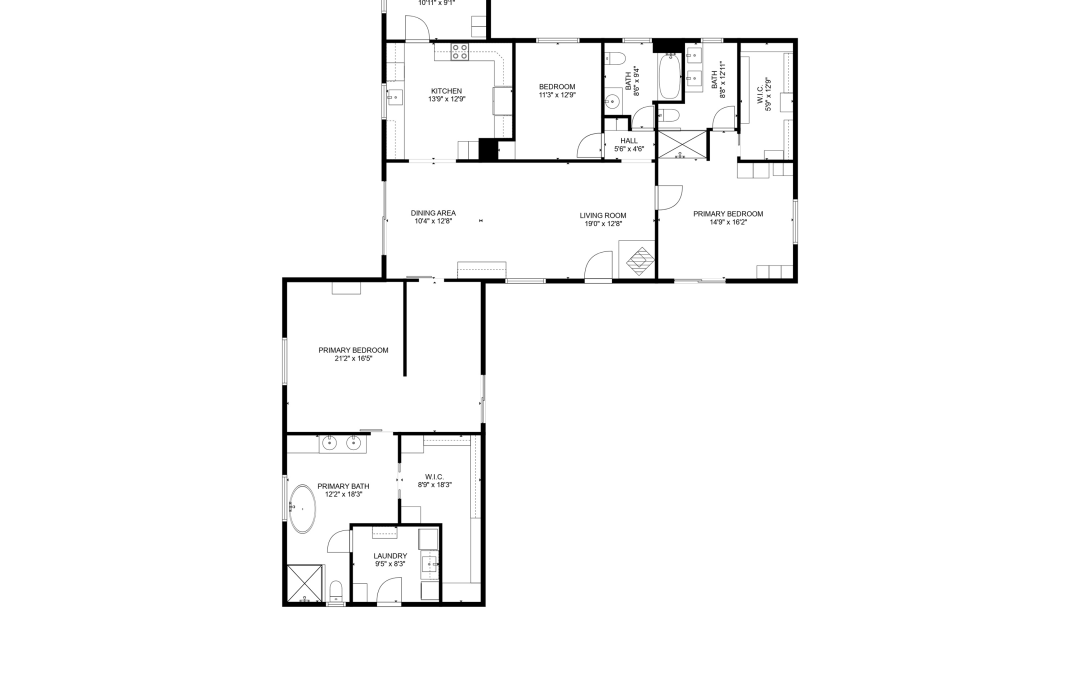
MODERN LUXURY MEETS COUNTRY CHARM Perfect blend of country charm & modern luxury with a this fully-equipped MINI-FARM – it’s sustainability with style! Tucked among a flourishing fruit orchard and nut trees, this purposefully updated home combines rustic appeal with comforts of modern living. Rewired/modernized, each detail was planned to ensure both energy efficiency and everyday convenience; newer roof & HVAC. A spacious & diverse primary suite has its own entrance, kitchenette, laundry, and yard. Open floor plan with defined living areas; laundry rm w/cold storage, guest/hobby room w/cedar lined closet. Expansive grounds feature covered outdoor work/parking areas, a large garage/workshop with an RV door, and full RV Hookups, sheds; mountain view covered patio. Open pasture, fenced, and abundant room for animals. Two reliable wells ensure your home & orchard are always flourishing and the street-side Farmstand (equipped with electricity) proudly showcases your homegrown produce!

by Katherine Soditus | Feb 9, 2025 | Residential | Active

$329,000
Active
GARDENER’S DELIGHT, CORNER VIEW, EXCEPTIONAL UPGRADES Beautifully upgraded co-housing in the heart of Ashland. Open floor plan with vaulted ceilings and large windows that flood the space with natural light. Thoughtfully designed main-level guest bath; custom touches like radiant heated concrete floors and unique counter top enhance the home’s character. The kitchen/dining area seamlessly connects to custom stone wall & fenced garden patio/yard, perfect for enjoying morning coffee or alfresco dining. Stairwell leads to a lofted area with window, creating a bright & airy atmosphere. Upper-level primary bedroom is a tranquil retreat, while upgraded full bath adds a touch of luxury. Modern features for comfort & efficiency: tankless water heater, passive solar design, efficient all-in-one washer/dryer, storage room. Co-housing offers a wealth of shared amenities: common house WITH guest bedroom & full kitchen, playroom, community garden, workshop, playground, outdoor fireplace, yard.
by Katherine Soditus | Feb 7, 2025 | Advice For Buyers, Investments
Investing in rental properties has long been a popular strategy for building wealth and generating passive income. Whether you’re a seasoned investor or just starting, rental properties offer numerous benefits that can enhance your financial portfolio. Here are some key advantages of investing in rental properties.
1. Steady Income Stream
One of the most attractive benefits of rental properties is the steady income stream they provide. Unlike other investments that may fluctuate in value, rental properties generate consistent monthly rental income. This income can help cover mortgage payments, property maintenance, and other expenses, while also providing a reliable source of cash flow. Over time, as rental rates increase, your income from the property can also grow.
2. Appreciation in Property Value
Real estate tends to appreciate over time, making rental properties a valuable long-term investment. While the real estate market can experience short-term fluctuations, property values generally increase over the long term. This appreciation can result in significant capital gains when you decide to sell the property. Additionally, making improvements and upgrades to the property can further enhance its value and appeal to potential tenants.
3. Tax Benefits
Investing in rental properties comes with several tax advantages. As a property owner, you can deduct various expenses related to the property, including mortgage interest, property taxes, insurance, maintenance, and repairs. Additionally, you can depreciate the value of the property over time, which can reduce your taxable income. These tax benefits can help offset the costs of owning and managing rental properties, making them a more attractive investment option.
4. Diversification of Investment Portfolio
Rental properties offer an excellent way to diversify your investment portfolio. Diversification is crucial for managing risk and ensuring that your investments are not overly reliant on a single asset class. By including real estate in your portfolio, you can reduce the overall risk and increase the potential for stable returns. Real estate investments often perform differently than stocks and bonds, providing a hedge against market volatility.
5. Leverage and Financing Opportunities
Real estate investments allow you to leverage your capital by using financing options such as mortgages. This means you can purchase a property with a relatively small down payment and finance the rest through a loan. Leveraging allows you to control a more valuable asset with less of your own money, potentially increasing your return on investment. Additionally, rental income can help cover mortgage payments, making it easier to manage the debt.
6. Inflation Hedge
Rental properties can serve as an effective hedge against inflation. As the cost of living increases, so do rental rates. This means that your rental income can keep pace with or even outstrip inflation, preserving your purchasing power. Additionally, the value of the property itself is likely to increase with inflation, further protecting your investment.
7. Control Over Investment
Unlike other investments, such as stocks or mutual funds, rental properties give you a high degree of control over your investment. You can make decisions about property management, rental rates, tenant selection, and property improvements. This control allows you to directly influence the performance and profitability of your investment, making it a more hands-on and potentially rewarding venture.
Conclusion
Investing in rental properties offers numerous benefits, including a steady income stream, appreciation in property value, tax advantages, diversification of your investment portfolio, leverage opportunities, an inflation hedge, and control over your investment. These advantages make rental properties an attractive option for building wealth and achieving financial stability. Whether you’re looking for a reliable source of passive income or a long-term investment, rental properties can provide a solid foundation for your financial future.

by Katherine Soditus | Dec 17, 2024 | Advice For Buyers, Buying Tips
Photo by Grant Durr on Unsplash
Dreaming of owning a vacation home where you can escape the hustle and bustle of everyday life? Finding the picture-perfect vacation home can be an exciting yet challenging process, whether a beachside bungalow, a chic city apartment, or acozy mountain cabin. Here’s a guide to help you navigate the journey and make a smart investment.
1. Define Your Needs and Wants
Start by making a list of what you need and want in a vacation home. Consider factors like location, size, amenities, and proximity to attractions. Do you want a place near the beach, the mountains, or a city? How many bedrooms and bathrooms do you need? Is a pool or a large backyard important to you? Having a clear idea of your priorities will help narrow down your options.
2. Set a Budget
Determine how much you can afford to spend on a vacation home. These ongoing costs include property taxes, insurance, maintenance, and utilities, as well as the purchase price. Getting pre-approved for a mortgage is a good idea to understand your financing options. Remember to factor in additional costs, such as property management fees and marketing expenses, if you plan to rent out the property when you’re not using it.
3. Research Locations
Location is key when it comes to vacation homes. Research different areas to find a location that suits your lifestyle and preferences. Consider the climate, local attractions, and the overall vibe of the area. It’s also essential to consider accessibility – how easy is it to get to your vacation home from your primary residence? If you plan to rent it out, look for locations with high rental demand.
4. Visit Potential Properties
Once you’ve identified a few potential locations, start visiting properties. Pictures and descriptions online can only tell you so much – seeing a property in person will give you a better sense of its condition, layout, and surroundings. Take your time to explore the neighborhood, talk to locals, and get a feel for the area. If possible, visit during different seasons to understand how the property and location change throughout the year.
5. Consider the Rental Potential
If you are considering renting out your vacation home, research the area’s rental market. Look at similar properties to see how much they’re renting for and how often they’re booked. Working with a property management company in the local area to handle bookings, maintenance, and guest communication can be very beneficial. A good rental income can help offset the costs of owning a vacation home and even turn it into a profitable investment.
6. Check Local Regulations
Before making a purchase, check local regulations regarding vacation rentals. Some areas have strict rules about short-term rentals, including zoning laws, permit requirements, and occupancy limits. Make sure you understand these regulations to avoid any legal issues down the road.
7. Work with a Real Estate Agent
A real estate agent working in the local area can be a priceless resource in your search for the perfect vacation home. They can help you find vacation homes that meet your criteria based on in-depth market knowledge, and can guide you through the buying process. Look for an agent who specializes in vacation properties and has experience in your desired location.
8. Think Long-Term
When buying a vacation home, think about your long-term plans. Will this property still meet your needs in five or ten years? Consider your lifestyle and whether the property can accommodate those changes. A vacation home is a significant investment, so choosing a property you’ll enjoy for years to come is essential.
Conclusion
Finding the perfect vacation home takes time, research, and careful planning. By defining your needs, setting a budget, researching locations, and considering rental potential, you can make an intelligent investment that provides years of enjoyment. Happy house hunting, and here’s to finding your dream getaway!
I hope this helps! If you have any other questions or need further assistance, feel free to ask.

by Katherine Soditus | Dec 12, 2024 | Affordability
In today’s world, many people are feeling the strain of high living costs, especially in large urban centers. With rising housing prices, escalating utility bills, and general inflation, it’s no surprise that people are starting to consider moving to more affordable areas. While this might seem like a daunting decision, relocating to a less expensive region can bring numerous financial, personal, and long-term benefits. Here’s why moving to a more affordable area makes sense for many individuals and families.
1. Lower Living Costs
One of the most immediate and obvious advantages of moving to an affordable area is the reduction in living costs. The expenses associated with housing are often the largest part of anyone’s budget, and in high-cost cities, they can be a significant burden. By relocating to an area where rent or home prices are lower, you can drastically reduce your monthly housing payments, freeing up money for other things, like savings or leisure activities.
But housing isn’t the only area where costs can be reduced. Utility bills, property taxes, and even grocery prices can be more affordable in smaller towns or suburban areas. In many cases, even healthcare and general services like car maintenance can be less expensive in more affordable locations.
2. Increased Savings and Financial Flexibility
Lower living expenses mean more disposable income. With the money saved from reduced housing and everyday costs, you can redirect those funds toward building your savings, investing for retirement, or paying off existing debts. Living in an affordable area offers more financial flexibility, making it easier to take advantage of opportunities, whether it’s for a vacation, further education, or simply enhancing your standard of living.
With the freedom from high monthly payments, you also have more room to focus on long-term goals, whether it’s saving for a down payment on a house or starting an emergency fund. The sense of financial security that comes from living within your means can be incredibly empowering.
3. Improved Quality of Life
In addition to financial benefits, moving to a more affordable area can significantly improve your overall quality of life. The constant pressure of high living expenses can be stressful, but when you move to an area with lower costs, that stress is often alleviated. The peace of mind that comes from knowing you can meet your financial obligations more easily creates space for relaxation and personal growth.
A lower cost of living can also mean better work-life balance. Many affordable areas have a slower pace of life, which allows for more free time to enjoy family activities, hobbies, or simply relax. If you’re a fan of nature, rural or suburban areas often offer access to outdoor activities and a calmer, more enjoyable environment, far from the hustle and bustle of big cities.
4. More Space and Comfort
Living in a more affordable area often means getting more space for your money. In urban areas, small apartments or houses can come with hefty price tags, but in more affordable locations, you might find yourself with a larger home or more land at a fraction of the cost. Whether it’s a spacious house with a yard for your family or an affordable apartment with extra room for storage, a larger living space can significantly enhance your comfort.
Additionally, many affordable areas offer the opportunity to live in a quieter neighborhood, which can be especially beneficial for families with children or those seeking a peaceful environment.
5. Better Opportunities for Financial Freedom
Moving to a more affordable area can speed up your journey to financial freedom. With lower costs and more savings potential, you can pay off debt faster, reduce financial stress, and create a stronger foundation for your future. Many people find that living in a less expensive area allows them to focus on long-term wealth-building strategies, like investing or starting a business, without the constant pressure of trying to cover high living expenses.
Moreover, the reduced cost of living means that you may not need to earn as much to meet your basic needs, giving you more options to take on jobs that align with your interests, take career risks, or transition into a different industry without the fear of living paycheck to paycheck.
6. Fewer Financial Setbacks and Greater Resilience
Life is unpredictable, and financial setbacks—such as losing a job or dealing with an unexpected health issue—are inevitable. Living in a less expensive area can provide a cushion against these uncertainties. The smaller your living expenses, the less you need to maintain your lifestyle, which makes it easier to handle unexpected challenges.
In a city with high costs, you may find it much harder to recover from financial setbacks, but in more affordable regions, your savings can go further, providing you with a stronger financial safety net during tough times.
7. Potential for Homeownership
Owning a home is a common goal for many individuals and families, but in high-cost areas, it can feel impossible. By moving to a more affordable location, homeownership may become more attainable. In cities where the median home price is astronomical, you might find that your monthly payments for a house in a more affordable area are much more manageable.
In addition, homes in affordable regions may appreciate in value over time, helping you build equity and financial security. Owning a home in a less expensive area also means you can avoid high rent increases and the instability that often comes with renting in an expensive city.
8. Better Community and Lifestyle
Affordable areas often offer a stronger sense of community. Smaller towns or suburban neighborhoods tend to have tight-knit communities where people know each other, fostering a sense of belonging and support. For families, these areas often provide a safer environment for raising children, with less traffic, lower crime rates, and more opportunities for outdoor play.
In addition to the community benefits, many people who move to more affordable areas report a better quality of life due to the slower pace and reduced stress. There’s simply more time and energy to enjoy life outside of work and meet new people.
9. Long-Term Financial Stability
Moving to an affordable area isn’t just about the present; it’s also a smart move for the future. By living in a more affordable area, you can build financial stability over the long term. You have the opportunity to save, invest, and plan for your future in a way that may not be possible in a high-cost area. The financial freedom that comes with lower living costs opens up a wealth of opportunities—whether it’s securing your retirement, building generational wealth, or enjoying a more comfortable lifestyle.
Conclusion
Moving to a more affordable area is not just about cutting costs—it’s about improving your financial outlook, enhancing your quality of life, and creating a more secure future. By reducing the pressure of high living expenses, you give yourself the freedom to focus on what truly matters: building wealth, improving well-being, and enjoying life. If you’re tired of feeling financially stretched and looking for ways to improve your lifestyle, relocating to a more affordable area might just be the smart choice you need.