by Katherine Soditus | Jul 13, 2026 | Uncategorized
Summer is one of the best seasons to appreciate the many advantages of homeownership. Longer days, warm weather, and more time spent outdoors make it easier to enjoy your property while also tackling projects that improve its value. Whether you’ve recently purchased a home or have been a homeowner for years, summer offers countless opportunities to make the most of your investment.
Enjoy More Outdoor Living
One of the biggest benefits of owning a home during the summer is having your own outdoor space. Whether it’s a backyard, patio, deck, or garden, you have the freedom to create an area that fits your lifestyle. From family barbecues and outdoor dinners to relaxing with a good book, your home becomes the perfect place to enjoy the season.
Boost Your Home’s Value
Summer is an ideal time to complete home improvement projects. Fresh landscaping, exterior painting, garden upgrades, and simple maintenance can improve your home’s curb appeal while protecting its long-term value. Even small improvements can make a noticeable difference and help your property stand out if you decide to sell in the future.
Build Equity While Creating Memories
Every mortgage payment helps build equity, making homeownership a valuable long-term investment. At the same time, your home provides a place to create lasting memories with family and friends. Summer vacations at home, celebrations, and everyday moments all add to the personal value of owning a home.
Save Money with Energy-Efficient Upgrades
Summer is a great time to improve your home’s energy efficiency. Sealing windows, adding insulation, installing ceiling fans, or upgrading to energy-efficient appliances can help reduce utility costs while making your home more comfortable throughout the year.
Personalize Your Space
Unlike renting, homeownership gives you the freedom to make your home your own. Whether you want to update your landscaping, repaint a room, or create an outdoor entertainment area, you can customize your property to match your style and needs without landlord restrictions.
Strengthen Your Community Connection
Homeownership often encourages stronger connections with neighbors and the local community. Summer events, neighborhood gatherings, farmers’ markets, and outdoor festivals provide opportunities to build relationships and become more involved where you live.
Final Thoughts
Homeownership offers far more than a place to live. It provides financial benefits, personal freedom, and opportunities to create lasting memories. Summer is the perfect season to enjoy your home, invest in simple improvements, and appreciate the value of having a place to truly call your own. Whether you’re already a homeowner or planning to buy, the benefits of homeownership can continue to grow for years to come.
by Katherine Soditus | Jul 8, 2026 | Uncategorized
Looking for an easy July dinner idea? This lemon herb grilled chicken with summer vegetables is fresh, simple, and perfect for warm-weather meals at home.
July is made for easy meals. Between summer activities, weekend gatherings, vacations, and warm evenings outside, most people want food that feels fresh and satisfying without requiring hours in the kitchen. That is exactly why this lemon herb grilled chicken with summer vegetables is such a good seasonal recipe.
It is simple enough for a weeknight dinner, but colorful and flavorful enough to serve when guests stop by. The ingredients are easy to find, the preparation is straightforward, and most of the cooking happens outdoors on the grill. For homeowners, it is also a great reminder that some of the best summer memories happen right at home gathered around the table, on the patio, or in the backyard.
Why This Recipe Works So Well in July
July produce brings plenty of color and flavor to the table. Zucchini, peppers, corn, tomatoes, onions, and fresh herbs are all natural partners for grilled chicken. The lemon adds brightness, the herbs bring a fresh garden flavor, and the vegetables become lightly charred and sweet on the grill.
This recipe is also flexible. You can serve it as a full dinner, slice the chicken over salad, tuck it into wraps, or pair it with rice, couscous, or crusty bread. It works well for meal prep, too, which is helpful during busy summer weeks.
Ingredients
For the chicken:
-
4 boneless, skinless chicken breasts or 6 boneless chicken thighs
-
¼ cup olive oil
-
Juice of 2 lemons
-
Zest of 1 lemon
-
3 cloves garlic, minced
-
1 tablespoon chopped fresh rosemary
-
1 tablespoon chopped fresh parsley
-
1 tablespoon chopped fresh basil or oregano
-
1 teaspoon salt
-
½ teaspoon black pepper
-
½ teaspoon paprika
For the summer vegetables:
-
2 zucchini, sliced lengthwise or into thick rounds
-
2 bell peppers, sliced into large strips
-
2 ears of corn, cut into halves or thirds
-
1 red onion, cut into wedges
-
1 pint cherry tomatoes, placed in a grill basket or on skewers
-
2 tablespoons olive oil
-
Salt and pepper to taste
-
Optional: extra lemon wedges for serving
Directions
In a large bowl or resealable bag, combine the olive oil, lemon juice, lemon zest, garlic, rosemary, parsley, basil or oregano, salt, pepper, and paprika. Add the chicken and coat it well with the marinade. Let it rest in the refrigerator for at least 30 minutes. For deeper flavor, marinate it for two to four hours.
While the chicken marinates, prepare the vegetables. Place the zucchini, peppers, corn, red onion, and tomatoes in a large bowl. Drizzle with olive oil, season with salt and pepper, and toss gently until everything is lightly coated.
Preheat the grill to medium-high heat. Remove the chicken from the marinade and place it on the grill. Cook for about 5 to 7 minutes per side, depending on thickness, until the chicken is cooked through and reaches an internal temperature of 165°F.
Add the vegetables to the grill while the chicken cooks. Zucchini, peppers, onions, and corn can go directly on the grates. Cherry tomatoes are best cooked in a grill basket or on skewers so they do not fall through. Turn the vegetables occasionally until tender and lightly charred.
Remove everything from the grill and let the chicken rest for 5 minutes before slicing. Serve with the grilled vegetables and a few fresh lemon wedges on the side.
Easy Serving Ideas
For a relaxed family dinner, serve the chicken and vegetables with rice, roasted potatoes, or a simple green salad. For a lighter meal, slice the chicken and layer it over mixed greens with cucumbers, tomatoes, feta, and a lemon vinaigrette.
Hosting friends? Arrange everything on a large platter with extra herbs and lemon wedges. It looks beautiful, feels seasonal, and keeps the meal casual.
Leftovers are also useful. Chopped chicken and grilled vegetables can be added to wraps, grain bowls, pasta salads, or omelets the next day.
Simple Make-Ahead Tips
To save time, prepare the marinade in the morning and let the chicken sit in the refrigerator until dinner. You can also wash and cut the vegetables ahead of time, then store them in an airtight container until you are ready to grill.
If you are planning a weekend gathering, double the recipe. The leftovers hold up well, and guests can build their own plates depending on what they like.
A Summer Meal Made for Home
One of the best parts of summer is enjoying simple moments at home. A good meal on the patio, a quiet dinner after a long day, or a casual gathering with neighbors can make a home feel even more welcoming.
This lemon herb grilled chicken with summer vegetables is fresh, practical, and easy to personalize. It is the kind of recipe that fits the season: bright, relaxed, and made to be shared.
Looking for more ways to enjoy your home this summer? Small seasonal touches from outdoor dining to simple backyard updates can make everyday living feel more comfortable and inviting.
by Katherine Soditus | Jul 7, 2026 | Uncategorized
Wondering whether to buy a home in summer 2026 or wait? Here are the key factors buyers should consider, including mortgage rates, inventory, affordability, and timing.
Buying a home is always a major decision, but in summer 2026, many buyers are asking a very reasonable question: should I buy now, or should I wait?
It is easy to understand why the decision feels complicated. Mortgage rates remain elevated compared with the ultra-low rates many people remember from a few years ago. Home prices are still high in many areas. At the same time, inventory has improved in parts of the country, sellers are becoming more realistic in some markets, and buyers may have more room to compare options than they did during the most competitive years.
The right answer is not the same for everyone. For some buyers, this summer may offer a practical opportunity to move forward. For others, waiting may be the smarter choice. The key is to look beyond national headlines and focus on your budget, your timeline, your local market, and your long-term goals.
Why Some Buyers May Want to Move Forward This Summer
One reason buyers may consider purchasing this summer is that the market has become less frantic in many areas. Realtor.com reported that the national median asking price fell 2.5% year over year in June 2026, while pending sales rose 3.7% year over year. That suggests buyers are still active, especially when homes are priced realistically. (Realtor)
For buyers, this can create a healthier shopping environment. Instead of feeling pressured to make a rushed decision, you may have more opportunity to compare homes, evaluate condition, review pricing, and think carefully about what fits your needs.
Inventory is another factor. The National Association of REALTORS® reported that there were 1.55 million housing units available at the end of May 2026, representing a 4.5-month supply of unsold inventory. That is not an oversupply, but it does point to a market with more options than buyers had during the tightest inventory periods. (NAR)
If you are financially ready, have stable income, plan to stay in the home for several years, and find a property that works for your life and budget, buying this summer may make sense.
Why Waiting May Also Be the Right Choice
Waiting can also be a smart decision, especially if your finances are not quite ready. A home purchase involves much more than the sale price. Buyers need to think about the monthly mortgage payment, property taxes, insurance, utilities, maintenance, closing costs, moving expenses, and emergency savings.
Mortgage rates remain a major affordability factor. Freddie Mac reported that the average 30-year fixed-rate mortgage was 6.49% as of June 25, 2026. That was lower than the 6.77% average from one year earlier, but still high enough to affect monthly payments and purchasing power. (Freddie Mac)
If buying now would leave you financially stretched, waiting may give you time to improve your credit score, save for a larger down payment, reduce debt, or better understand what monthly payment feels comfortable. A rushed purchase can create stress long after closing.
Waiting may also make sense if you are unsure about your job, your location, your household needs, or how long you expect to stay in the home. Real estate is usually a long-term decision. If your life is likely to change soon, patience may be valuable.
Do Not Try to Perfectly Time the Market
Many buyers want to know whether prices or mortgage rates will fall later this year. It is a fair question, but it is also difficult to answer with certainty. National trends can shift quickly, and local markets often move in different directions.
Redfin reported that U.S. home prices were up 2.0% year over year in May 2026, with the median sale price at $398,771. The number of homes sold was also up 5.2% year over year. (Redfin) Meanwhile, Realtor.com reported lower national asking prices in June. Together, those numbers show a mixed but important reality: sellers are adjusting expectations in many markets, but home values have not fallen everywhere.
That is why trying to perfectly time the market can be risky. A buyer who waits for lower prices could face higher rates, fewer suitable homes, or more competition later. A buyer who rushes in too quickly could end up with a payment that does not feel sustainable.
The better question is not, “Will the market be better later?” The better question is, “Can I afford the right home now without putting myself under financial pressure?”
Questions Buyers Should Ask Before Deciding
Before buying this summer, ask yourself a few practical questions:
-
Can I comfortably afford the monthly payment, including taxes and insurance?
-
Do I have enough savings left after closing?
-
Is my job and income situation stable?
-
Do I plan to stay in the home long enough for the purchase to make sense?
-
Have I compared loan options with more than one lender?
-
Do I understand what is happening in my local market?
-
Am I buying because the home fits my life, or because I feel pressured?
These questions can help separate a smart opportunity from an emotional decision.
How Buyers Can Prepare This Summer
Whether you decide to buy now or wait, preparation is useful. Start by getting a current pre-approval from a reputable lender. Review your monthly budget carefully. Look at homes in your target price range and pay attention to what sells quickly, what sits, and where price reductions appear.
It is also wise to work with a local real estate professional who can help you understand current inventory, pricing trends, negotiation opportunities, and neighborhood-level demand. National reports are helpful, but the local picture matters most.
Bottom Line
Buying a home in summer 2026 may be the right move if you are financially prepared, clear about your needs, and able to find a home that fits your budget and long-term plans. Waiting may be the better choice if your finances need more time, your future plans are uncertain, or the available homes do not meet your needs.
There is no one-size-fits-all answer. The strongest buyers in today’s market are not the ones trying to guess the perfect moment. They are the ones who understand their numbers, know their priorities, and make decisions based on preparation instead of pressure.
Thinking about buying this summer? Let’s talk through your options, your timeline, and what today’s market means for your next move.
by Katherine Soditus | Jul 7, 2026 | Uncategorized
Use this July home maintenance checklist to keep your home cooler, safer, and more efficient during the hottest part of summer.
July is one of the best months to give your home a mid-summer checkup. The weather is warm, air-conditioning systems are working hard, outdoor spaces are being used more often, and summer storms can put extra stress on roofs, gutters, landscaping, and drainage.
A little maintenance now can help prevent bigger problems later. Whether you own your home, are preparing to sell, or simply want to keep your living space more comfortable, this July home maintenance checklist can help you stay ahead of seasonal issues.
Check Your Air-Conditioning System
Your cooling system works hard in July, so this is a good time to make sure it is running efficiently. Start by checking and replacing the air filter if needed. A clogged filter can make your system work harder, reduce airflow, and affect indoor comfort.
Walk through your home and make sure vents are open, clean, and not blocked by furniture, rugs, or curtains. If some rooms feel much warmer than others, it may be worth having your system inspected by a professional.
Outside, clear away leaves, grass clippings, weeds, and debris from around the outdoor condenser unit. Good airflow around the unit helps the system perform better during hot weather.
Inspect Windows and Doors
Summer heat can sneak in through small gaps around windows and doors. Check for worn weatherstripping, cracked caulk, or areas where warm air may be entering the home.
Sealing small gaps can help keep cooled air inside and reduce strain on your air-conditioning system. This is also a simple way to improve comfort without making a major investment.
If you use window air-conditioning units, make sure they are installed securely and sealed properly around the edges.
Clean Ceiling Fans and Use Them Correctly
Ceiling fans can make rooms feel more comfortable, especially when paired with air conditioning. In summer, most ceiling fans should rotate counterclockwise to push cool air downward.
Wipe dust from fan blades, check for wobbling, and make sure fixtures are secure. A clean, properly working fan can help improve airflow and comfort in bedrooms, living rooms, and home offices.
Test Smoke and Carbon Monoxide Detectors
July is a smart time to test smoke and carbon monoxide detectors, especially if you are using grills, fire pits, generators, or other seasonal equipment more often.
Press the test button on each detector and replace batteries if needed. Also check the expiration date on the unit itself. Many detectors need to be replaced after several years, even if they still appear to be working.
This is a small task, but it is one of the most important items on any home safety checklist.
Inspect Outdoor Cooking and Entertaining Areas
Grills, patios, decks, and outdoor seating areas get plenty of use in July. Take a few minutes to inspect them for safety and cleanliness.
Clean grill grates, check propane connections if you use a gas grill, and keep the grill a safe distance from siding, railings, and overhangs. Sweep patios and decks, tighten loose screws or railings, and look for cracked boards, uneven pavers, or tripping hazards.
If you entertain outdoors, also check exterior lighting so guests can move safely after sunset.
Look for Signs of Moisture or Storm Damage
Summer storms can reveal drainage problems quickly. After heavy rain, walk around your home and look for standing water, clogged gutters, overflowing downspouts, or soil washing away near the foundation.
Inside, check basements, ceilings, and around windows for signs of moisture, staining, or musty smells. Catching a small leak early can help prevent expensive repairs later.
If your area experiences strong summer storms, it is also wise to check for loose branches, damaged shingles, or debris on the roofline.
Keep Gutters and Downspouts Clear
Gutters are easy to forget in summer, but they still matter. Leaves, seed pods, small branches, and storm debris can clog gutters and cause water to overflow near the foundation.
Make sure downspouts direct water away from the house. If water is pooling too close to the foundation, consider adding downspout extensions or improving grading around the home.
Manage Landscaping and Yard Growth
July is peak growing season in many parts of the country. Trim shrubs and trees away from siding, windows, walkways, and the roof. Overgrown landscaping can trap moisture, invite pests, and make a home look less cared for.
Keep grass mowed, edge walkways, remove weeds, and refresh mulch where needed. For homeowners thinking about selling, these simple steps can also improve curb appeal.
Watch for Pests
Warm weather can bring ants, mosquitoes, wasps, termites, and other pests closer to the home. Look for nests near rooflines, decks, sheds, and outdoor seating areas.
Remove standing water from planters, buckets, birdbaths, and clogged gutters to help reduce mosquito activity. Seal small gaps around doors, windows, pipes, and utility openings where pests may enter.
If you notice signs of termites, carpenter ants, or other wood-damaging pests, contact a professional rather than waiting.
Review Your Home’s Energy Use
July utility bills can climb quickly. In addition to maintaining your cooling system, consider small steps that can reduce energy use.
Close blinds or curtains during the hottest part of the day, especially on sun-facing windows. Use programmable thermostat settings if available. Run dishwashers, dryers, and ovens during cooler parts of the day when possible.
These small habits can make a noticeable difference in comfort and efficiency.
Bottom Line
July home maintenance does not need to be overwhelming. Focus on the areas that matter most during summer: cooling, safety, moisture control, outdoor spaces, landscaping, and energy efficiency.
A few hours of attention now can help your home feel cooler, safer, and more comfortable for the rest of the season. It can also protect your property value and make future repairs easier to manage.
Taking care of your home is one of the simplest ways to enjoy it more. Whether you are staying put, preparing to sell, or planning future improvements, smart seasonal maintenance helps your home work better for everyday life.
Looking for more ways to protect and improve your home this summer? Start with small, practical updates that make your space safer, more comfortable, and ready for the season ahead.
by Katherine Soditus | Jul 7, 2026 | Uncategorized
Selling a home in summer 2026? Learn why smart pricing matters, how buyers are making decisions, and what sellers should consider before listing.
Selling a home in summer 2026 requires a different mindset than the fast-moving seller’s markets many homeowners remember from recent years. Buyers are still active, but they are more selective. Mortgage rates remain elevated, monthly payments matter more, and many buyers are comparing homes carefully before making an offer.
That does not mean sellers should feel discouraged. Well-priced, well-prepared homes can still attract serious attention. But in a more selective market, pricing strategy matters more than ever.
The old approach of “list high and see what happens” can be risky. Today’s buyers have access to more data, more listing history, and more competing options. If a home is priced too aggressively, it may sit on the market, lose momentum, and eventually require a price reduction. A thoughtful pricing strategy from the start can help a home stand out for the right reasons.
Buyers Are Watching Affordability Closely
One of the biggest reasons pricing matters in 2026 is affordability. Freddie Mac reported that the average 30-year fixed-rate mortgage was 6.49% as of June 25, 2026, while the 15-year fixed-rate mortgage averaged 5.84%. (Freddie Mac)
When mortgage rates are in this range, even a modest difference in price can have a meaningful impact on a buyer’s monthly payment. Buyers are not only asking, “Do I like this home?” They are also asking, “Can I comfortably afford this home every month?”
That makes pricing especially important. A home that seems slightly overpriced may be passed over quickly if buyers feel they can find better value elsewhere. On the other hand, a home that is priced in line with current market conditions can attract more attention, more showings, and stronger interest from serious buyers.
The Market Is Moving, But Sellers Need to Meet It
National housing data shows that the market is active, but not overheated. The National Association of REALTORS® reported that May 2026 existing-home sales reached a seasonally adjusted annual rate of 4.17 million, with a national median sales price of $429,300 and 4.5 months of inventory. (NAR)
That 4.5-month supply suggests buyers have more options than they did during the tightest inventory periods, but the market is not flooded with homes. This is an important distinction. Sellers still have an opportunity, but buyers are more likely to compare listings carefully.
Realtor.com reported that the national median listing price fell 2.4% year over year in May 2026, the steepest decline in its data going back to 2017. The report also noted that the median price per square foot was down 2.5% year over year. (Realtor)
For sellers, this does not mean every home is losing value. It means pricing expectations are adjusting. In many markets, buyers are responding to homes that feel realistically priced and hesitating on homes that appear disconnected from current conditions.
Why Overpricing Can Hurt a Listing
Overpricing can be tempting. Many sellers want room to negotiate, or they may base their expectations on what a neighbor sold for during a stronger market. But buyers usually notice when a listing feels too high compared with similar homes.
An overpriced home may receive fewer showings in the first few weeks, which is often when buyer interest is strongest. If the home sits too long, buyers may begin to wonder whether something is wrong with it. Even if the seller later reduces the price, the listing may have already lost some of its early momentum.
This is why the first price is so important. A strong launch price can help generate attention, encourage showings, and create a better chance of receiving serious offers. A price that is too high can make the listing feel stale before it has a chance to perform.
What Sellers Should Consider Before Choosing a Price
A smart pricing strategy should be based on more than an online estimate or a homeowner’s preferred number. Before listing, sellers should review several important factors:
Recent comparable sales are a starting point. These show what buyers have actually paid for similar homes in the area. Active listings are also important because they show what buyers are currently comparing against your home.
Condition matters, too. A move-in ready home with updated systems, strong curb appeal, and clean presentation may justify a different price than a similar home needing repairs or cosmetic updates. Location, layout, lot size, age, amenities, and neighborhood demand all play a role.
Sellers should also pay attention to days on market and price reductions in their local area. If similar homes are sitting longer or reducing prices, that is a sign buyers may be more cautious. If well-priced homes are moving quickly, that may suggest strong demand at the right price point.
Presentation Supports the Price
Pricing is only one part of the selling strategy. Presentation helps buyers understand the value.
Before listing, sellers should consider basic repairs, decluttering, deep cleaning, landscaping, paint touch-ups, and professional photography. These steps do not need to be extravagant. The goal is to help buyers see the home clearly and confidently.
In a selective market, buyers are looking for reasons to feel comfortable moving forward. A home that is clean, well-maintained, and easy to understand can make a stronger impression than one that feels neglected or difficult to evaluate.
Bottom Line
Selling in summer 2026 is still possible, but success depends on strategy. Buyers are active, yet careful. Inventory has improved in many areas. Mortgage rates continue to influence affordability. Asking prices are adjusting nationally, and sellers need to pay attention to what buyers are actually responding to.
The best pricing strategy is not about guessing high and hoping for the best. It is about understanding current market conditions, studying local competition, preparing the home properly, and launching with a price that creates confidence.
Thinking about selling this summer? Connect with me for a current pricing review and a clear look at what today’s market means for your home.
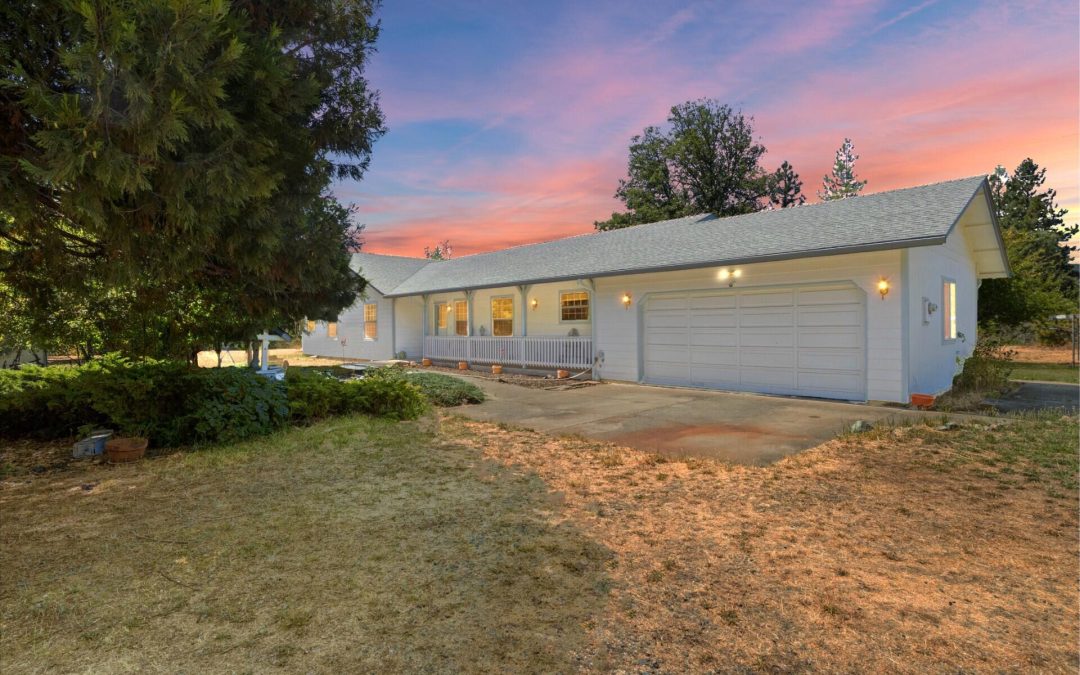
by Katherine Soditus | Nov 29, 2025 | Residential | Closed

$530,000
Closed
4+AC EFU – 6CAR GARAGE Pride of ownership shines throughout this well-maintained, custom-designed property on nearly 5 level acres near Lake Selmac. Spacious floor plan offers vaulted ceilings, Blaze King wood stove, large country kitchen, and two primary suites one with ADA-accessible features including a roll-in shower. Comfort year-round with central A/C and a private covered porch off the main suite. Dream setup for car enthusiasts and hobby farmers alike, with a 2-car attached garage, 24×36 detached 6-car garage, and 2-story 22×24 barn/workshop with separate bath, RV hookup, and its own power meter. Equestrian-ready with horse stall/shelter, fenced pasture & room to expand. Also includes a chicken coop, goat shelter, fruit trees, and some in-ground sprinklers and drip lines. Covered patio for outdoor enjoyment all just minutes from trail riding, fishing & recreation at scenic Lake Selmac!

by Katherine Soditus | Nov 13, 2025 | Cost Effective
Proximity to public transit can significantly impact a home’s value, marketability, and long-term appeal. Whether you’re buying your first home, relocating for work, or investing in property, understanding the benefits of commuter-friendly locations is essential.
Convenience That Drives Demand
One of the most obvious advantages of living near public transit is convenience. In communities all across the country, access to the subways, commuter rail stations, or express bus routes can dramatically reduce commute times and eliminate the stress of driving in traffic.
Homes within walking distance of transit hubs tend to attract more interest from buyers who prioritize accessibility. This demand often translates into faster sales and stronger offers. In fact, studies consistently show that properties near public transportation appreciate at a higher rate than those farther away.
A Smarter Investment
From an investment perspective, commuter-friendly homes offer long-term value. As urban areas grow and traffic congestion increases, the appeal of transit-accessible living continues to rise. Buyers are willing to pay a premium for homes that offer easy access to work, school, and amenities without the hassle of parking or long drives.
Additionally, these homes tend to hold their value better during market fluctuations. When inventory tightens or interest rates rise, location becomes even more critical and homes near transit remain competitive.
Lifestyle Benefits Beyond the Commute
It’s not just about getting to work. Living near public transit opens up a world of possibilities for weekend outings, dining, shopping, and cultural experiences. Imagine hopping on the train for a night out or taking the commuter rail to catch a game—all without worrying about parking or traffic.
For families, proximity to transit can mean easier access to schools, extracurricular activities, and community events. For retirees or those who prefer not to drive, it offers independence and mobility.
Eco-Friendly and Cost-Effective
In today’s environmentally conscious market, many buyers are looking for ways to reduce their carbon footprint. Public transit offers a greener alternative to daily driving, and homes near transit lines often appeal to eco-minded buyers.
There’s also a financial benefit. Owning a home near transit can reduce the need for multiple vehicles, lower fuel costs, and even qualify buyers for certain tax incentives or employer transit programs.
What to Look For
If you’re considering buying or selling a home near public transit, here are a few tips:
- Walkability matters: Look for homes within a 10-minute walk of a station or stop.
- Noise and privacy: Proximity is great, but consider how close is too close. Homes directly adjacent to tracks may face noise concerns.
- Parking options: Even with transit nearby, parking availability can influence buyer decisions.
- School districts: In areas like Newton and Lexington, strong schools combined with transit access create a powerful value proposition.
Final Thoughts
Commuter-friendly homes aren’t just a trend they’re a smart choice for today’s buyers and a strategic move for sellers. If you’re thinking about making a move or want to explore properties near transit in Newton, Lexington, or nearby towns, I’d be happy to help you find the perfect fit.
Let’s connect and talk about how location can work for you.

by Katherine Soditus | Nov 13, 2025 | Thanksgiving Recipe
Thanksgiving is a time for gathering, gratitude, and, of course, great food. While turkey, stuffing, and mashed potatoes are staples, sometimes it’s fun to shake things up with a dish that surprises and delights your guests. Whether you’re hosting in your newly purchased home or just looking to add something fresh to your holiday spread, this recipe is a flavorful twist on tradition.
Today, I’m sharing one of my favorite non-traditional Thanksgiving dishes: Roasted Butternut Squash and Chickpea Curry. It’s warm, comforting, and packed with seasonal ingredients, but with a bold, unexpected flavor profile that brings something new to the table.
Roasted Butternut Squash and Chickpea Curry
Ingredients:
- 1 medium butternut squash, peeled and cubed
- 1 tablespoon olive oil
- Salt and pepper to taste
- 1 tablespoon coconut oil or butter
- 1 small onion, finely chopped
- 2 cloves garlic, minced
- 1 tablespoon fresh ginger, grated
- 1 tablespoon curry powder
- 1 teaspoon ground cumin
- 1/2 teaspoon turmeric
- 1/4 teaspoon cinnamon
- 1 can (15 oz) chickpeas, drained and rinsed
- 1 can (14 oz) coconut milk
- 1/2 cup vegetable broth
- 1 cup baby spinach
- Juice of half a lime
- Fresh cilantro for garnish
- Cooked basmati rice or naan for serving
Instructions:
- Roast the Squash
Preheat your oven to 400°F. Toss the cubed butternut squash with olive oil, salt, and pepper. Spread on a baking sheet and roast for 25–30 minutes, or until tender and lightly browned.
- Prepare the Curry Base
In a large skillet or saucepan, heat coconut oil over medium heat. Add the chopped onion and sauté until translucent, about 5 minutes. Stir in garlic and ginger, cooking for another minute until fragrant.
- Add Spices
Sprinkle in the curry powder, cumin, turmeric, and cinnamon. Stir well to coat the onions and release the spices’ aroma.
- Add Chickpeas and Liquids
Add the chickpeas, coconut milk, and vegetable broth. Stir to combine and bring to a gentle simmer. Let it cook for 10 minutes, allowing the flavors to meld.
- Combine and Finish
Add the roasted butternut squash and spinach to the curry. Stir until the spinach wilts and everything is heated through. Finish with a squeeze of lime juice and adjust seasoning as needed.
- Serve and Enjoy
Spoon the curry over warm basmati rice or serve with naan bread. Garnish with fresh cilantro for a burst of color and flavor.
Why This Dish Works for Thanksgiving
This curry is a celebration of fall flavors with a global twist. The butternut squash adds sweetness and texture, while the chickpeas provide protein and heartiness. The spices bring warmth and depth, making it a perfect complement to more traditional dishes or a standout main course for vegetarian guests.
Plus, it’s easy to prepare ahead of time and reheat, which makes hosting less stressful.
Final Thoughts
As a real estate agent, I love helping people find the perfect home but I also enjoy helping them make it feel like home. Sharing meals, creating memories, and celebrating holidays in your space is what homeownership is all about.
If you’re thinking about buying or selling, or want to talk about how to make your home holiday-ready, I’m here to help. And if you try this recipe, I’d love to hear how it turns out!
Happy Thanksgiving, however you choose to celebrate!

by Katherine Soditus | Nov 13, 2025 | Down payment
As the year winds down and holiday cheer fills the air, many professionals receive a welcome financial boost: the year-end bonus. While it’s tempting to splurge on gifts or a winter getaway, your bonus could be the key to unlocking one of life’s biggest milestones homeownership.
If buying a home is on your radar for the new year, here’s how to strategically use your year-end bonus to strengthen your down payment and position yourself for success in today’s competitive real estate market.
1. Understand Your Down Payment Options
First, it’s important to know that you don’t always need 20% down to buy a home. Depending on the loan program, you may qualify with as little as 3% to 5% down. However, a larger down payment can reduce your monthly mortgage payments, eliminate private mortgage insurance (PMI), and make your offer more attractive to sellers.
Your bonus can help you reach a higher down payment tier, which may open doors to better loan terms and lower interest rates.
2. Use Your Bonus to Bridge the Gap
Let’s say you’ve been saving diligently but are still a few thousand dollars short of your target down payment. Your bonus can be the bridge between “almost ready” and “ready to buy.” For example, if you’ve saved $30,000 and your goal is $40,000, a $10,000 bonus could get you there faster without dipping into emergency savings or retirement funds.
3. Boost Your Buying Power
A larger down payment can increase your purchasing power. In competitive markets like Newton, Lexington, or Greater Boston, sellers often favor buyers with stronger financial profiles. Using your bonus to increase your down payment shows lenders and sellers that you’re serious and financially prepared, which can give you an edge in multiple-offer situations.
4. Avoid Lifestyle Inflation
It’s easy to fall into the trap of lifestyle inflation, that is spending more as you earn more. But if homeownership is your goal, consider redirecting your bonus toward long-term wealth building. Real estate is one of the most powerful tools for growing equity and building generational wealth. Investing your bonus into a down payment is a smart move that pays dividends for years to come.
5. Talk to a Lender Early
Before you allocate your bonus, speak with a mortgage lender to understand how it can impact your loan options. They can help you run scenarios based on different down payment amounts and show you how your bonus could improve your monthly payments or reduce upfront costs.
6. Plan for Other Expenses
While your bonus can go a long way toward your down payment, remember to budget for other costs like closing fees, moving expenses, and home inspections. A well-rounded financial plan will help you avoid surprises and stay confident throughout the buying process.
Final Thoughts
Your year-end bonus is more than a reward. That bonus at year’s end is an opportunity. By using it strategically, you can take a major step toward homeownership and start the new year with a clear financial goal. If you’re thinking about buying in 2026, now is the perfect time to start planning.
Need help navigating your options or want to explore homes that fit your budget? Let’s connect. I’d be happy to guide you through the process and help you make the most of your bonus.
by Katherine Soditus | Nov 13, 2025 | Home Prices
As we enter the final stretch of 2025, many buyers, sellers, and investors are wondering: Where is the real estate market headed? After a year of fluctuating mortgage rates, shifting inventory levels, and cautious consumer behavior, the closing months of the year are offering both challenges and opportunities.
Here’s a look at the latest trends and expert insights to help you navigate the market with confidence.
Mortgage Rates Are Easing But Slowly
One of the biggest stories in real estate this year has been the movement of mortgage rates. After peaking in 2024, rates have gradually declined in 2025, offering some relief to buyers. The Federal Reserve has already implemented two rate cuts in 2025. This has helped bring 30-year fixed mortgage rates down to the low 6% range. [forbes.com]
However, experts caution that rates may not fall significantly further in the short term. Affordability remains a concern, and many buyers are still waiting for more favorable conditions before jumping into the market.
Inventory Is Growing, But Buyer Activity Is Still Soft
According to Realtor.com’s October Housing Market Trends Report, active listings have increased for the 24th consecutive month, with inventory up 15.3% year-over-year. This means buyers have more options than they did a year ago. However, homes are spending longer on the market—an average of 63 days, which is five days longer than last year. [realtor.com]
Despite the increase in inventory, buyer activity remains subdued. Pending sales have slipped slightly, and many buyers are still hesitant due to economic uncertainty and affordability challenges.
Home Prices Are Stabilizing
Nationally, home prices have held steady. The median list price in October was $424,200, up just 0.4% from the previous year. However, regional differences are becoming more pronounced. Prices have declined in the South and West, while the Northeast and Midwest have seen modest gains.
J.P. Morgan’s 2025 Housing Market Outlook predicts that home prices will rise by about 3% overall this year, but growth will remain subdued. The market is expected to stay relatively flat through the end of the year, with no major price spikes or drops anticipated. [jpmorgan.com]
What This Means for Buyers and Sellers
If you’re a buyer, the final months of 2025 may offer a window of opportunity. With more homes on the market and slightly lower mortgage rates, you may find better deals especially if you’re willing to negotiate. Sellers, on the other hand, should be realistic about pricing and prepared for longer listing times.
For both sides, working with a knowledgeable real estate agent is key. Understanding local trends, pricing strategies, and financing options can make all the difference in today’s market.
Final Thoughts
The real estate market in late 2025 is showing signs of stabilization. While it’s not booming, it’s also not collapsing. With more inventory, steady prices, and slowly easing mortgage rates, the market is offering a more balanced environment for buyers and sellers alike.
If you’re thinking about making a move before the year ends or planning ahead for 2026, I’d be happy to help you navigate the market. Let’s connect and create a strategy that fits your goals.