by Katherine Soditus | May 12, 2026 | Uncategorized
The real estate market continues to evolve in 2026, and many buyers and sellers are wondering what today’s conditions really mean for them. Between changing mortgage rates, shifting inventory levels, and ongoing economic discussions, it’s easy to feel uncertain about the direction of the housing market.
The good news is that today’s market is becoming more balanced and predictable compared to the fast-moving conditions of the past few years. While the market is no longer experiencing the extreme competition seen during the pandemic boom, strong opportunities still exist for both buyers and sellers who understand the current trends.
Inventory Is Slowly Increasing
One of the biggest changes happening right now is the gradual increase in housing inventory. Buyers are beginning to see more homes available compared to the very limited supply that defined previous years.
This increase in inventory is creating a healthier market overall. Buyers may have slightly more time to make decisions, compare properties, and negotiate terms in some areas. At the same time, well-priced homes that show well are still attracting strong interest from serious buyers.
For sellers, presentation and pricing have become more important than ever.
Mortgage Rates Continue To Influence Decisions
Mortgage rates remain one of the largest factors affecting affordability in today’s market. Although rates are still higher than the historic lows many buyers remember, they have become more stable compared to the rapid fluctuations seen recently.
Many buyers are adjusting their expectations and focusing more on long-term affordability instead of waiting for dramatically lower rates. As a result, activity is slowly returning as people realize life decisions cannot always be delayed while waiting for perfect market conditions.
Buyers Are Prioritizing Practicality
Today’s buyers are approaching homeownership with a more practical mindset. Instead of stretching budgets for the largest possible home, many buyers are focusing on properties that offer long-term comfort, functionality, and financial stability.
Features such as home offices, flexible living spaces, energy efficiency, updated kitchens, and outdoor areas continue to be highly desirable. Buyers are also paying closer attention to monthly costs, maintenance needs, and overall lifestyle value.
Sellers Need Realistic Pricing
One of the biggest market shifts in 2026 is the importance of realistic pricing. Homes that are priced too aggressively may sit on the market longer, while properly priced homes continue attracting strong attention.
Today’s buyers are more informed and cautious than they were during the peak competitive years. Sellers who focus on preparation, cleanliness, curb appeal, and strategic pricing often see the best results.
Real Estate Remains Local
National headlines can sometimes create unnecessary fear or confusion, but real estate remains highly local. Some markets are experiencing steady price growth, while others are seeing slower activity or slight adjustments.
Understanding local market conditions is far more valuable than reacting to broad national predictions. Buyers and sellers who work with knowledgeable local professionals are often better positioned to make confident decisions.
Final Thoughts
The housing market in 2026 is not defined by chaos or dramatic crashes. Instead, it’s becoming more balanced, steady, and focused on long-term decision-making.
For buyers, preparation and affordability remain essential. For sellers, proper pricing and strong presentation continue to make a major difference. Most importantly, understanding the realities of your local market can help you make smart, confident moves no matter what the headlines say.
by Katherine Soditus | May 11, 2026 | Uncategorized
Mortgage rates are one of the most discussed parts of the housing market, but they can also feel confusing for many buyers. News headlines constantly talk about rates rising or falling, leaving people wondering whether it’s still a good time to buy a home. The reality is that mortgage rates are important, but they are only one part of the bigger financial picture.
Understanding how rates work can help you feel more confident and less overwhelmed during the home-buying process.
What Are Mortgage Rates?
A mortgage rate is the interest a lender charges when you borrow money to purchase a home. This rate directly affects your monthly mortgage payment and the total amount you pay over time.
Even small changes in rates can impact affordability, which is why buyers pay close attention to them. However, focusing only on rates can sometimes cause people to lose sight of other important factors like home prices, long-term goals, and monthly budget.
Why Mortgage Rates Change
Mortgage rates move based on several factors, including inflation, the economy, employment reports, and Federal Reserve policies. Rates may rise during periods of high inflation and stabilize when the economy slows down.
Because of this, rates naturally change over time, and daily market shifts are completely normal. While headlines may make these changes sound dramatic, small fluctuations are simply part of the market.
Fixed vs. Adjustable Mortgage Rates
One of the biggest decisions buyers face is choosing between a fixed-rate mortgage and an adjustable-rate mortgage.
A fixed-rate mortgage keeps the same interest rate throughout the loan, offering stable monthly payments. An adjustable-rate mortgage, or ARM, typically starts with a lower rate before adjusting later based on market conditions.
The right option depends on your financial goals, future plans, and comfort level with changing payments.
Your Credit Score Matters
Your credit score plays a major role in the mortgage rate you receive. Buyers with stronger credit often qualify for lower rates, which can save money over the life of the loan.
Simple steps like paying bills on time, reducing debt, and avoiding large new purchases before applying for a mortgage can help improve your financial profile.
Don’t Let Headlines Create Fear
Mortgage headlines are designed to grab attention, but they don’t always reflect your personal situation. Trying to perfectly time the market can create unnecessary stress.
For many buyers, the most important factors are finding the right home, staying within budget, and planning for long-term stability. The “perfect” rate may never come, but the right opportunity for your lifestyle and goals can still exist today.
Final Thoughts
Mortgage rates don’t have to feel overwhelming. Once you understand the basics, it becomes much easier to make informed and confident decisions.
Instead of focusing on every market headline, focus on your overall financial picture and work with trusted professionals who can guide you through the process clearly. With the right support, buying a home can feel much less confusing and far more manageable.
by Katherine Soditus | May 4, 2026 | Uncategorized
Buying your first home is exciting, but it can also feel overwhelming. Between budgeting, house hunting, and navigating paperwork, it’s easy to make decisions that can cost you time, money, or peace of mind.
The good news is that most first-time homebuyer mistakes are completely avoidable with a little preparation and the right guidance. Here’s a practical look at the most common pitfalls and how to avoid them.
Not Understanding Your Full Budget
Focusing only on the purchase price can be misleading. Costs like taxes, insurance, and maintenance add up quickly. Make sure your monthly payment feels comfortable in real life, not just on paper.
Skipping Mortgage Pre-Approval
Looking at homes without pre-approval can lead to missed opportunities. Knowing your budget upfront helps you act quickly and confidently when the right home appears.
Letting Emotions Take Over
It’s easy to fall in love with a home, but decisions should be based on value, condition, and long-term fit, not just first impressions.
Overlooking Location
You can update a home, but you can’t change where it’s located. Consider commute, neighborhood, and future growth before making a decision.
Ignoring the Home Inspection
Skipping an inspection can lead to costly surprises. A professional review helps you understand what you’re really buying.
Stretching Your Budget Too Far
Just because you qualify for a higher loan doesn’t mean you should use it. Leave room for savings and unexpected expenses.
Not Thinking Ahead
Your first home should support your lifestyle for the next few years. Think about future needs, not just your current situation.
Trying to Do It Alone
Working with the right agent and lender can simplify the process and help you avoid costly missteps.
Final Thoughts
Buying your first home is a major milestone, and while mistakes can happen, they don’t have to. With the right approach, you can navigate the process with confidence and make decisions that truly support your goals.
Take your time, ask questions, and focus on what works best for you, not just today, but in the long run.
by Katherine Soditus | Apr 29, 2026 | Uncategorized
In today’s fast-moving world, more homebuyers are prioritizing something that goes beyond square footage and design, connection to nature. Whether it’s mountain views, waterfront living, or access to parks and green spaces, location plays a major role in shaping how we feel and function in our daily lives. In 2026, living near nature is no longer just a preference; it’s becoming a key factor in overall well-being and long-term satisfaction.
A Healthier Lifestyle Starts at Home
Living close to nature naturally encourages a more active and balanced lifestyle. Easy access to walking trails, parks, and outdoor spaces makes it easier to stay physically active without needing a structured routine. Fresh air, sunlight, and open surroundings contribute to improved mental health, reduced stress, and better overall wellness. For many homeowners, this daily connection to nature becomes one of the most valuable aspects of where they live.
The Power of Peaceful Surroundings
One of the biggest advantages of nature-focused living is the sense of calm it brings. Compared to high-density urban areas, neighborhoods surrounded by greenery or water often feel quieter and more relaxed. This peaceful environment can improve focus, support better sleep, and create a more comfortable home atmosphere. It’s not just about escaping the noise, it’s about creating a space where you can truly recharge.
Stronger Community and Family Living
Communities built around parks, trails, and open spaces often foster stronger connections among residents. Families benefit from safe outdoor areas for children to play, while neighbors are more likely to interact in shared spaces. This sense of community adds another layer of value, making these locations especially appealing for long-term living.
Long-Term Value and Buyer Demand
Homes located near natural features tend to hold their value well over time. Properties with scenic views, proximity to water, or access to green spaces often attract consistent demand from buyers. As more people prioritize lifestyle and wellness, these homes are seen as both a personal upgrade and a smart investment. In many markets, nature-adjacent properties continue to outperform others in terms of desirability and resale potential.
Balancing Convenience and Connection
While living near nature offers many benefits, the ideal location also provides convenience. The most sought-after areas strike a balance between peaceful surroundings and easy access to schools, shopping, dining, and work opportunities. This combination allows homeowners to enjoy the best of both worlds, tranquility without sacrificing daily convenience.
Why Location Matters More Than Ever
In 2026, homebuyers are thinking more intentionally about how their environment impacts their lifestyle. It’s no longer just about the home itself, but about what surrounds it. Choosing a location near nature can improve daily routines, support long-term health, and enhance overall happiness.
Final Thoughts
Living near nature is more than a trend; it’s a lifestyle choice that continues to grow in importance. From better health and reduced stress to stronger communities and lasting property value, the impact of location is clear. When you choose a home surrounded by natural beauty, you’re not just investing in real estate; you’re investing in a better quality of life.
by Katherine Soditus | Apr 27, 2026 | Uncategorized
A mortgage is more than just a loan; it’s the foundation of your homeownership journey. Whether you’re buying your first home or planning your next move, understanding how mortgages work can help you make smarter, more confident decisions.
What Is a Mortgage?
A mortgage is a loan used to purchase a home, where the property itself acts as collateral. You repay the loan over time through monthly payments that typically include principal, interest, property taxes, and insurance.
While the concept is straightforward, the options and details can feel overwhelming at first. That’s why taking a step-by-step approach makes all the difference.
Start with Your Budget, Not the Listing
Before exploring homes, focus on what you can comfortably afford. Your monthly payment should fit within your lifestyle, not stretch it.
A good rule of thumb is to leave room for savings, daily expenses, and unexpected costs. Owning a home should bring stability, not financial stress.
Get Pre-Approved Early
Mortgage pre-approval gives you a clear picture of your borrowing power. It also shows sellers that you’re serious and ready to move forward.
More importantly, it helps you shop within a realistic price range, saving time and avoiding disappointment later in the process.
Understand Your Loan Options
Not all mortgages are the same. The most common types include:
-
Fixed-rate mortgages, which offer stable payments over time
-
Adjustable-rate mortgages (ARMs), which may start lower but can change later
Each option has its pros and cons. The right choice depends on your financial goals, timeline, and comfort with risk.
Why Interest Rates Matter
Your interest rate plays a big role in your monthly payment and the total cost of your loan. Even a small difference in rates can have a noticeable impact over time.
But instead of waiting for the “perfect” rate, focus on what works for your current situation. Markets shift, but your long-term plan matters more.
Don’t Forget the Hidden Costs
Buying a home involves more than just the down payment. Be prepared for:
Planning ahead for these costs helps you avoid surprises and stay financially comfortable.
Think Beyond the Purchase
A mortgage is a long-term commitment, but it also offers flexibility. As your situation changes, you may have options like refinancing, paying down your loan faster, or using your home equity for future goals.
The key is to stay informed and make decisions that support your bigger financial picture.
Final Thoughts
A mortgage doesn’t have to be complicated. With the right knowledge and a clear plan, it becomes a powerful tool that helps you build stability, equity, and long-term security.
Take your time, ask questions, and focus on what fits your life, not just the market. When you approach the process thoughtfully, homeownership becomes less stressful and far more rewarding.

by Katherine Soditus | Aug 19, 2025 | Housing Market Update
If you’ve been browsing homes this summer, you’re not alone and you’re likely seeing more options than you did a year ago. But while inventory is up, buyers are taking their time, and sellers are starting to feel the pressure.
According to Realtor.com’s latest housing trends report, the U.S. real estate market is shifting into a slower, more buyer-friendly phase. Here’s what that means for you.
More Homes on the Market
According to Realtor.com, the number of homes for sale continues to climb, with active listings up 24.4% compared to this time last year, marking the 89th straight week of inventory growth, and for the 11th week in a row, there are over 1 million homes available nationwide something we haven’t seen since 2019.
Homes Are Sitting Longer
The typical home now spends 58 days on the market, which is one day longer than the same week in July 2019. That’s a clear sign that buyers are being more cautious and taking their time before making offers.
Price Cuts Are on the Rise
With homes lingering longer, sellers are adjusting. In June, 1 in 5 homes had a price reduction the highest rate for that month in Realtor.com’s records. While overall list prices are still slightly up year-over-year, the growing number of price cuts suggests sellers are responding to softer demand.
Mortgage Rates Are Still a Hurdle
The average 30-year fixed mortgage rate ticked up to 6.75%, making monthly payments more expensive and keeping some buyers on the sidelines. Even so, mortgage applications rose slightly, showing that some buyers are still testing the waters.
What This Means for You
- Buyers: You’ve got more choices and more negotiating power than you did a year ago. If you’ve been waiting for the market to cool, this could be your moment especially if you’re flexible on timing or location.
- Sellers: It’s still a good time to sell, but pricing your home right is more important than ever. Homes that are priced competitively and show well are still moving, but patience may be required.

by Katherine Soditus | Aug 19, 2025 | Hidden Tax
For many homeowners, the plan was simple: buy a home, stay put, and let it grow in value over time. That appreciation would eventually help fund retirement, support the next generation, or provide a financial cushion in later years. But for a growing number of seniors, that plan is hitting an unexpected snag, thanks to a little-known tax rule that hasn’t kept up with the times.
What’s the Issue?
When you sell your primary residence, the IRS allows you to exclude a portion of the profit up to $250,000 if you’re single or $500,000 if you’re married and filing jointly from capital gains taxes. Sounds generous, right? It was back in 1997 when those limits were set.
But here’s the catch: those thresholds haven’t changed in nearly three decades, even though home prices have skyrocketed. Since 1997, home values have jumped more than 260% nationwide. That means more homeowners, especially retirees who’ve owned their homes for decades, are now exceeding those limits and facing unexpected tax bills when they sell.
Why Seniors Are Hit the Hardest
Older homeowners are more likely to have paid off their mortgages and seen significant appreciation in their property values. That’s great news until it’s time to sell. In many cases, the equity they’ve built up is now considered taxable income beyond the exclusion limits.
According to recent research, nearly one-third of homeowners over 65 exceed the capital gains exclusion. In some states, that number is even higher. And the average tax bill? A hefty $41,232 for seniors compared to $34,732 for the general population.
The Bigger Picture
This outdated tax rule doesn’t just affect individual homeowners; it’s also contributing to the housing crunch. Many seniors are hesitant to sell and downsize because they don’t want to lose a big chunk of their equity to taxes. That keeps larger, family-friendly homes off the market, limiting options for younger buyers and growing families.
What Can You Do?
If you’re a long-term homeowner or advising someone who is, it’s worth taking a closer look at your home’s appreciation and potential tax exposure. Here are a few tips:
- Talk to a tax professional before listing your home.
- Keep records of major home improvements, which can help reduce your taxable gain.
- Explore options like gifting equity or using trusts if you’re planning to pass your home to heirs.
Final Thoughts
The home you’ve invested in for decades should be a source of security, not stress. As the conversation around housing policy evolves, many experts are calling for updates to the capital gains exclusion to reflect today’s market realities. Until then, being informed and proactive is the best way to protect your hard-earned equity.

by Katherine Soditus | Aug 19, 2025 | Recipes
Whether you’re settling into a new home or hosting a casual dinner with friends, there’s nothing quite like a warm, hearty meal to make a house feel like home. These slow cooker stuffed bell peppers are a colorful, flavorful dish that is easy to prepare and perfect for busy days. Packed with wholesome ingredients and bold flavors, they are a great way to bring people together around the table.
Ingredients You’ll Need:
- 6–8 large bell peppers (any color you love)
- 3 cups cooked white rice
- 2 cans (15 oz each) black beans, rinsed and drained
- 1 can (14 oz) fire-roasted diced tomatoes
- ½ cup frozen corn
- 1 packet taco seasoning (we love Siete for a clean, flavorful blend)
- Salt and pepper to taste
Toppings to Serve:
- Sliced avocado
- Chopped fresh cilantro
- Sliced green onions
- Hot sauce or salsa
- Lime wedges
How to Make It:
- Prep the Peppers: Slice the tops off the bell peppers and gently remove the ribs and seeds. Be careful not to tear the peppers they’ll need to hold all that delicious filling!
- Mix the Filling: In a large bowl, combine the cooked rice, black beans, tomatoes, corn, and taco seasoning. Stir until everything is well mixed.
- Stuff the Peppers: Spoon the filling into each pepper, packing it to the top. Depending on the size of your peppers, you may need more or fewer.
- Slow Cook: Pour ½ cup of water into the bottom of a 6-quart (or larger) slow cooker. Arrange the stuffed peppers upright in the cooker, spacing them evenly.
- Cook Until Tender: Cover and cook on low for 6 hours or on high for 3 hours, until the peppers are soft and the filling is hot.
- Serve & Enjoy: Plate the peppers and top with your favorite garnishes, avocado, cilantro, green onions, salsa, and a squeeze of lime.
This recipe is perfect for a cozy night in or a casual gathering with neighbors. It’s plant-based, budget-friendly, and full of flavor, just the kind of dish that makes a house feel like home.

by Katherine Soditus | Aug 19, 2025 | Advice for Homeowners
Over the past year, a quiet but significant shift has been unfolding across the United States: major cities are seeing their populations shrink. While urban centers have long been magnets for opportunity, culture, and convenience, recent data suggests that more Americans are choosing to pack up and head elsewhere. So, what’s driving this trend—and what does it mean for real estate?
The Numbers Behind the Move
According to recent reports, cities like San Francisco, New York, and Chicago have experienced noticeable population declines in 2024. While the reasons vary, the trend is clear: people are rethinking where—and how—they want to live.
Some of the key drivers include:
- Affordability pressures: Skyrocketing housing costs in urban cores have pushed many to seek more space and better value in suburban or rural areas.
- Remote work flexibility: With hybrid and remote work now a norm in many industries, people are no longer tethered to city offices.
- Quality of life: Concerns about crime, congestion, and cost of living have made smaller cities and towns more attractive.
- Economic shifts: A softening job market in some sectors has also played a role, with unemployment rising slightly in urban service industries[1].
Where Are People Going?
Sun Belt cities like Austin, Nashville, and Tampa continue to attract new residents, thanks to their lower costs, warmer climates, and growing job markets. Meanwhile, mid-sized cities with strong infrastructure and livability—think Raleigh, Boise, and Madison—are also seeing a boost.
What This Means for Buyers and Sellers
If you’re a homebuyer, this could be a golden opportunity. As demand cools in some urban markets, prices may stabilize or even dip slightly, giving you more negotiating power.
For sellers, especially in high-demand suburbs or growing secondary cities, the shift could work in your favor. Inventory remains tight in many of these areas, keeping competition strong.
And for investors, the trend highlights the importance of watching migration patterns. Properties in emerging markets may offer better long-term returns than traditional urban strongholds.
Final Thoughts
The population decline in major cities isn’t necessarily a sign of urban decline—it’s a reflection of changing priorities. As Americans continue to reassess what “home” means in a post-pandemic world, the real estate landscape will keep evolving. Whether you’re buying, selling, or just keeping an eye on the market, staying informed is key.
by Katherine Soditus | Aug 15, 2025 | Residential | Pending

$629,900
Pending
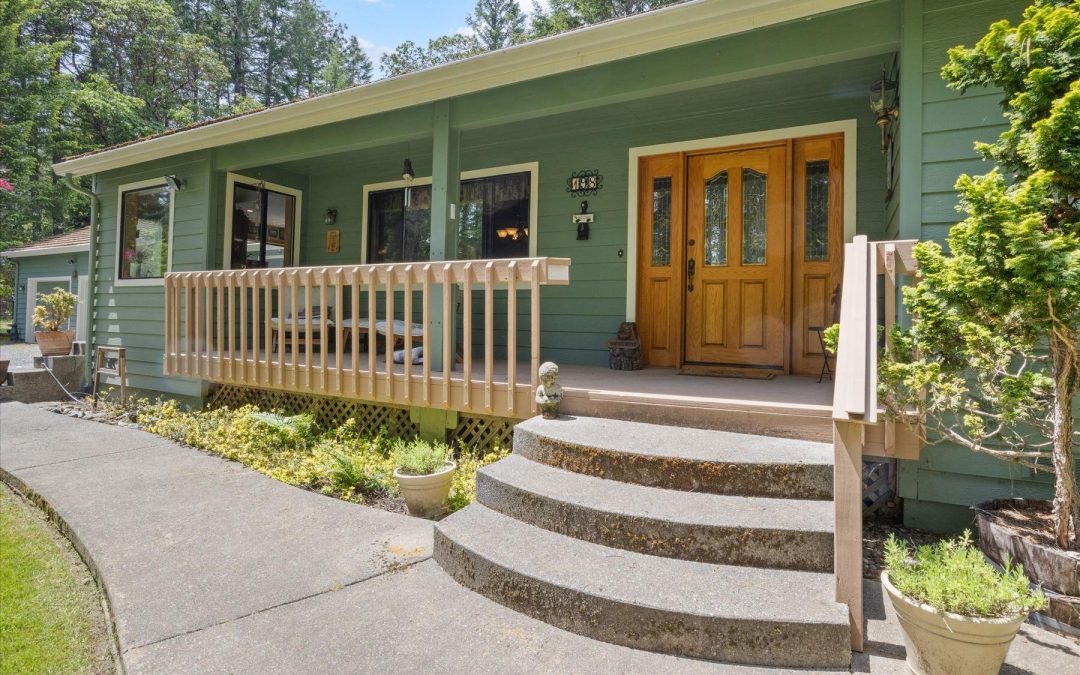
Timeless Southern Oregon Beauty on Usable Acreage – Quality, Comfort & Charm! Quality-built and nestled on a peaceful parcel in Southern Oregon, this 3bd, 2.5ba home blends timeless construction with classic upgrades. Vaulted ceilings, large windows, and warm wood finishes create a welcoming interior, anchored by a cozy woodstove set on brick. Kitchen features solid wood cabinets, tile counters, and a sunny breakfast nook. Spacious primary suite wing w/dual vanities, soaking tub, walk-in closet. Enjoy room to garden, raise animals, or savor the quiet beauty of rural life. Plenty of space for a shop, RV, or boat—no HOA, no hassle. Imagine morning coffee on the porch, evenings under star-filled skies, and the freedom to live how YOU choose. Oversized 800+sf 3car garage, tile roof, 2+acre well-maintained country-luxury estate minutes from Griffin Park & Rogue River – bring your boat! (and room to park it, too.) Schedule your tour today and make this countryside retreat your next chapter!