The holidays bring warmth, gatherings, and gorgeous décor—but they also introduce seasonal risks that homeowners can manage with a few smart steps. As someone who spends a lot of time in homes and advises clients year-round, I’ve pulled together a practical, unbiased guide you can use this December to keep celebrations safe, comfortable, and stress-free. Why holiday safety matters December is typically the leading month for U.S. home fires, driven by a combination of cooking, candles, electrical lighting, and seasonal decorations. In recent NFPA data, Christmas Day and Christmas Eve rank among the top days for home cooking fires, and decoration-related fires (excluding Christmas trees) surge. Nearly half of those December decoration fires start with candles. [nfpa.org] Christmas tree fires are infrequent but more severe: fire departments responded to an average of ~155 home Christmas tree fires per year (2018–2022), with electrical distribution or lighting equipment involved in over two in five cases. Proper tree care and thoughtful placement dramatically reduce risk.. [nfpa.org] 1) Cooking safely when the kitchen is command central Holiday cooking creates peak fire risk because it’s easy to get distracted by guests, kids, or devices. The most important rule is the simplest: never leave cooking unattended. When cooking use timers, designate a “kitchen captain,” and keep flammable items (towels, oven mitts, packaging) well away from heat. [nfpa.org] The U.S. Consumer Product Safety Commission (CPSC) underscores cooking as the leading cause of residential fires, noting spikes around major holidays. Their guidance: stay present at the stove, and fry turkeys outdoors away from structures. Quick checklist for holiday cooks Set multiple timers (stove, oven, warming trays). [cpsc.gov] Keep a Class ABC fire extinguisher accessible and know how to use it (PASS: Pull, Aim, Squeeze, Sweep). [nfpa.org] Create a 3-foot kid/pet buffer zone around cooking areas. [cpsc.gov] After the party: walk the kitchen toconfirm all burners and appliances are off before bed. [northpennnow.com] 2) Candle and lighting safety (set the mood, not the smoke alarm) Candles are classic holiday ambiance, but they’re a major ignition source in December. Use battery-operated flameless candles whenever possible. If you use real candles, keep them 12 inches from anything that can burn, place them on stable surfaces, and never leave them unattended. [usfa.fema.gov] For string lights and décor: Inspect every strand annually; discard anything with frayed wires, cracked sockets, or loose connections. [usfa.fema.gov] Follow manufacturer instructions on how many strands you can link; don’t overload outlets. [usfa.fema.gov] Choose products listed by recognized testing labs (UL, Intertek, CSA). [statefarm.com] For outdoor displays, use GFCI outlets to cut power if moisture or heat spikes are detected. [blog.ameri…ouncil.com] Pro tip: Set smart plugs or timers to turn lights off overnight and when you leave. It is also and easy, energy-saving, and safer option than trying to remember to turn them off. [usfa.fema.gov] 3) Christmas tree safety (real or artificial) Whether you prefer a live evergreen or an artificial tree, placement and maintenance matter. Live trees Pick a fresh tree (needles should be green and resist pulling), cut 2 inches off the base, and water daily. Dry trees ignite and burn extremely fast. [nist.gov] Keep the tree at least 3 feet from heat sources and away from exits. [nist.gov] Turn off lights before bed or when leaving home; never use lit candles on a tree. [nist.gov] Artificial trees Look for the “fire resistant” label and use only indoor-rated lights on indoor trees. [naturalhandyman.com] Disposal Once the tree dries out, remove it promptly; many communities have recycling programs. [nist.gov] 4) Space heaters & home heating (comfort with caution) Heating equipment remains a leading winter hazard. Provide three feet of clearance around space heaters and never place them on rugs or near bedding. Turn heaters off when sleeping or leaving the room. 5) Power outages, generators, and carbon monoxide (CO) Winter storms can knock out power. If you use a portable generator, run it outside. Keep it at least 20 feet from doors, windows, and vents, directing exhaust away from the home. Opening windows is not sufficient ventilation. Consider models with automatic CO shut-off features (PGMA G300-2018 or UL 2201). [cpsc.gov] FEMA’s Ready.gov adds: keep refrigerators closed, unplug electronics to prevent surge damage, and never use a gas range to heat your home. Install CO alarms with battery backup on every level and near sleeping areas. 6) Ladder safety for outdoor decorating Hanging lights? Most holiday decorating injuries involve falls. Follow the 4-to-1 rule for extension ladders (move the base out one foot for every four feet of rise), keep three points of contact, and never use furniture as a ladder. 7) Food safety for leftovers (the party after the party) The USDA’s “danger zone” is 40°F–140°F; bacteria grow rapidly there. Refrigerate leftovers within two hours (one hour above 90°F) and reheat to 165°F. Store in small, shallow containers for rapid cooling. 8) Lithium-ion battery gifts (phones, scooters, e-bikes) Holiday gifting often includes devices with lithium-ion batteries. Buy only devices and chargers listed by a nationally recognized testing lab, use compatible charging equipment, and stop using any device that shows swelling, odor, heat, popping sounds, or discoloration. 9) A room-by-room holiday safety walkthrough Entryway Keep paths dry, well-lit, and clear of cords; use low-profile mats to reduce trip hazards. [esfi.org] Living room If you burn wood, keep a screen in front of the fireplace, store matches/lighters out of reach, and maintain a 3-foot clearance around heat sources. [usfa.fema.gov] Kitchen Establish a no-kids-or-pets zone, keep pot handles turned inward, and assign cleanup to remove grease buildup. [cpsc.gov] Hallways & bedrooms Test smoke and CO alarms monthly; replace batteries annually or per manufacturer guidance. Practice your two-minute escape drill with guests if they’re staying over. [northpennnow.com] Garage & exterior Store generator fuel outside living areas in approved containers; let generators cool before refueling. Plug appliances directly into the generator or use heavy-duty, outdoor-rated cords. [redcross.org] 10) A simple holiday safety plan you can implement today Check alarms: Test smoke and CO alarms; add units where gaps exist. [ready.gov] Walk the home: Identify clearances around heaters, fireplaces, and the tree. [usfa.fema.gov] Inspect décor: Replace damaged lights; set timers or smart plugs. [usfa.fema.gov] Assign roles: Kitchen captain, candle checker, and tree-watering lead. [nist.gov] Prepare for outages: Generator placement plan (20+ feet), surge protection, and a stocked emergency kit. [ready.gov] Food safeguards: Two-hour rule, shallow containers, 165°F reheat. [fsis.usda.gov] Balanced perspective: enjoy the season, mitigate the risks These tips aren’t about dampening holiday spirit. These safety tips are about preventing avoidable incidents so you can celebrate confidently. National fire and safety organizations agree: most holiday-related incidents are largely preventable with practical precautions and consistent habits. [nfpa.org] As your real estate resource, I see firsthand how small safety upgrades (proper alarms, GFCI outlets, safer lighting choices, and well-kept trees) protect property value, reduce insurance headaches, and, most importantly,keep loved ones safe. If you’d like a home safety walkthrough customized to your layout (including smart outlet placement for décor, safe heater zones, or an escape route review), I’m happy to help. Useful resources (authoritative, homeowner-friendly) NFPA holiday safety: cooking, candles, Christmas trees, lithium-ion batteries. [nfpa.org] U.S. Fire Administration (FEMA): holiday fire safety tip sheets. [usfa.fema.gov] CPSC holiday safety: cooking, décor injuries, toy safety. [cpsc.gov] CDC power outage & CO: generator placement and symptom guidance. [cdc.gov] USDA/FSIS leftovers: time-temperature rules and safe reheating. [fsis.usda.gov] NIST tree watering: video experiments demonstrating reduced ignition risk. [nist.gov]
If you’re hosting a buffet, keep hot foods at 140°F or warmer and refrigerate perishable items within two hours (one hour if it’s above 90°F). USDA food safety basics that apply just as much to Christmas dinner as to July picnics. [cpsc.gov][fsis.usda.gov]
Install and test smoke alarms monthly; practice an escape plan until everyone can exit in two minutes or less. [northpennnow.com]
CDC guidance highlights the symptoms of CO poisoning (headache, dizziness, nausea, confusion) and reiterates the minimum 20-foot placement rule for generators. [ready.gov][cdc.gov]
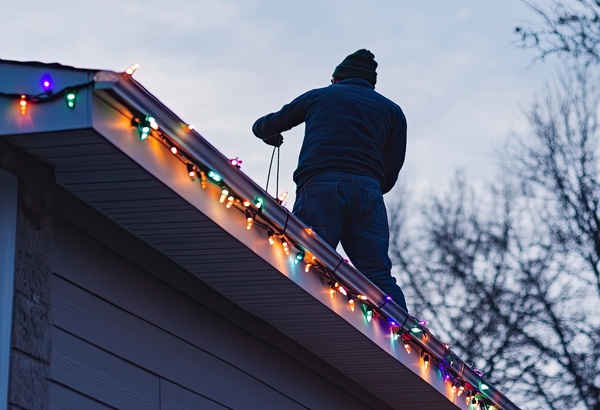
Before you climb, inspect the ladder and wear slip-resistant shoes. For exterior lighting, stick to outdoor-rated products, and don’t connect more than three incandescent strands together. [statefarm.com][blog.ameri…ouncil.com]
CDC and FDA both emphasize thorough handwashing, clean surfaces, and keeping raw foods separate from ready-to-eat items to prevent cross-contamination. [fsis.usda.gov][cdc.gov], [fda.gov]
And don’t toss these batteries in the trash. Lithium-ion batteries should be recycled through approved programs. [nfpa.org]
Wishing you a safe, bright, and joyful holiday season.
Holiday Safety Tips for Homeowners: A Real Estate Agent’s Practical Guide