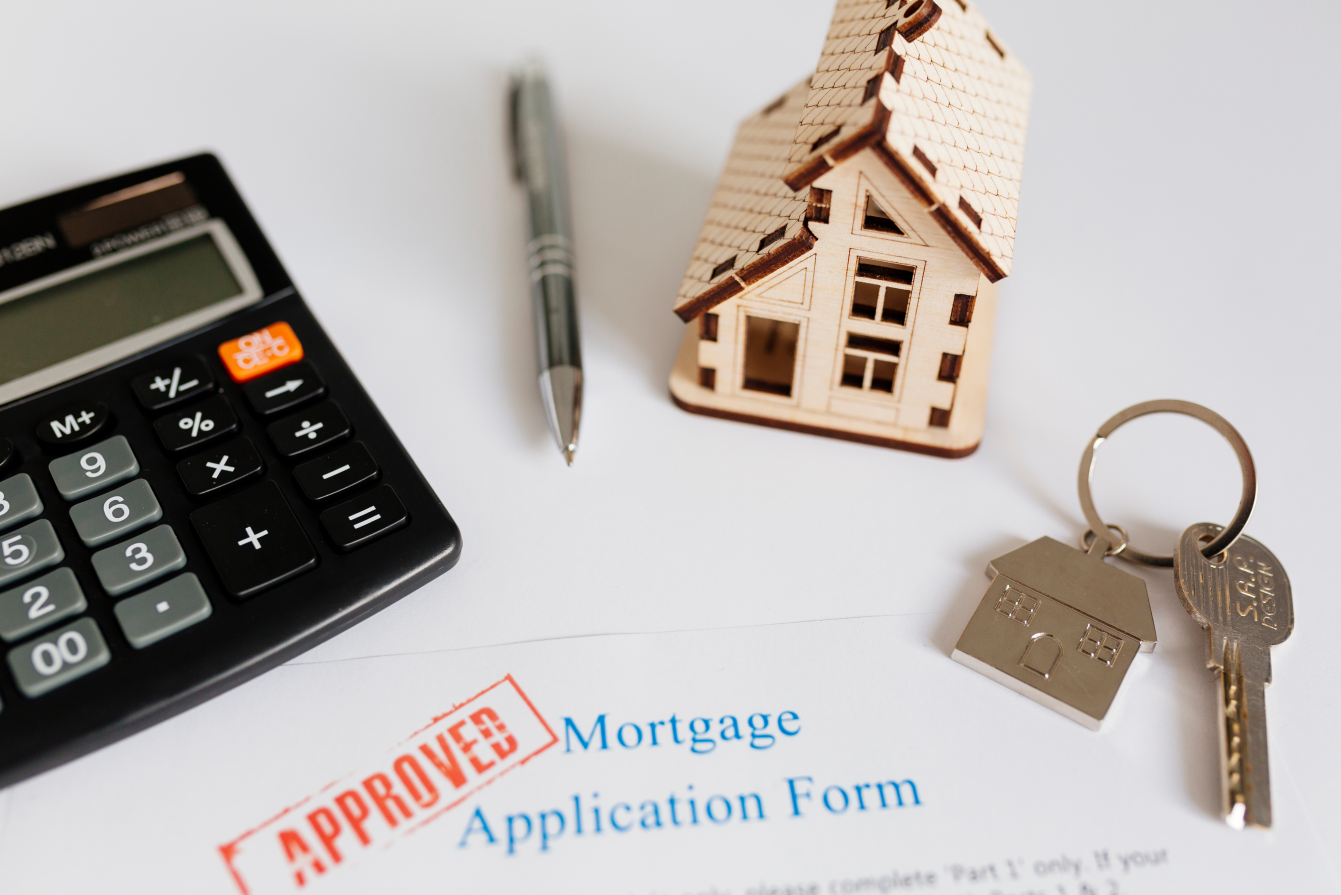
Buying a home is one of the biggest financial decisions many people make. From choosing a mortgage to planning for closing costs, each step can affect your long-term budget.
Understanding the basics of mortgages and finance can help you make informed decisions, compare your options, and prepare for the costs of homeownership.
Start With Your Budget
Before looking at homes, take time to understand what you can comfortably afford. A lender may approve you for a certain loan amount, but your approved amount does not always equal the payment that fits comfortably within your budget.
Consider more than the monthly mortgage payment. Your overall housing costs may include:
- Principal and interest
- Property taxes
- Homeowners insurance
- Mortgage insurance, if applicable
- Homeowners association fees
- Utilities
- Routine maintenance and repairs
A realistic budget can help you avoid stretching your finances too far.
Understand How Mortgage Rates Affect Your Payment
Mortgage rates can have a significant impact on your monthly payment and the total interest paid over the life of a loan.
Even a small change in the interest rate can affect your purchasing power. This is why it is important to compare loan options and understand the rate being offered, rather than focusing only on the purchase price.
Rates can change based on broader economic conditions, lender pricing, loan type, credit profile, down payment, and other factors.
Know Your Loan Options
There is no single mortgage that works for every buyer. Depending on your circumstances, you may encounter several types of financing.
Common options include:
- Conventional mortgages
- FHA loans
- VA loans for eligible borrowers
- USDA loans for eligible properties and borrowers
- Fixed-rate mortgages
- Adjustable-rate mortgages
Each option has different requirements, costs, and features. A qualified mortgage professional can help you understand which choices may fit your financial situation.
Your Credit Score Matters
Credit history can play an important role in mortgage approval and loan pricing. Before applying, review your credit reports and look for errors that may need to be corrected.
It can also help to:
- Pay bills on time
- Keep credit card balances manageable
- Avoid taking on unnecessary new debt
- Review your credit reports regularly
- Maintain stable financial records
Improving your credit profile may take time, so it is worth reviewing your finances well before you plan to buy.
Plan for Your Down Payment
A larger down payment can reduce the amount you need to borrow, but putting 20% down is not always required.
Some loan programs allow qualified buyers to purchase with a lower down payment. The right amount depends on your loan program, financial goals, cash reserves, and overall budget.
Instead of using every available dollar for the down payment, consider keeping funds available for closing costs, moving expenses, repairs, and unexpected expenses.
Do Not Forget Closing Costs
The purchase price is only one part of the cost of buying a home.
Closing costs can include expenses such as lender fees, appraisal costs, title services, recording fees, prepaid taxes, and insurance. The exact costs vary by transaction, loan type, location, and other factors.
Ask your lender for a detailed estimate early in the process so you have a clearer picture of the cash you may need at closing.
Compare More Than the Interest Rate
When comparing mortgage offers, the interest rate is important, but it should not be the only factor you consider.
Look at the overall loan cost, including:
- Annual percentage rate
- Loan term
- Closing costs
- Discount points
- Mortgage insurance
- Monthly payment
- Prepayment terms
- Estimated total interest
Two loans with similar interest rates can have different upfront and long-term costs.
Get Pre-Approved Before You Shop
A mortgage pre-approval can help you understand your potential financing range before you begin seriously comparing homes.
It can also make the buying process more organized because you have already provided financial information to a lender. Keep in mind that pre-approval is not the same as final loan approval. Your financial situation and the property still need to meet the lender's requirements.
Think About the Long-Term Cost
A mortgage is usually a long-term financial commitment. When evaluating a home, think beyond the first monthly payment.
Ask yourself:
- Does the payment fit comfortably within my budget?
- How much cash will I have left after closing?
- What other costs will come with owning the property?
- How might my financial needs change over time?
- Am I comfortable with the loan's terms?
Taking a broader view can help you make a decision based on your overall financial picture.
Make Mortgage Decisions With Confidence
Mortgage and finance decisions can feel complicated, especially when you are comparing rates, loan programs, down payments, and closing costs at the same time.
The goal is not simply to find the largest loan you qualify for. It is to understand your options and choose financing that supports your budget and long-term goals.
With careful preparation, realistic budgeting, and professional guidance, you can approach the home-buying process with greater financial confidence.