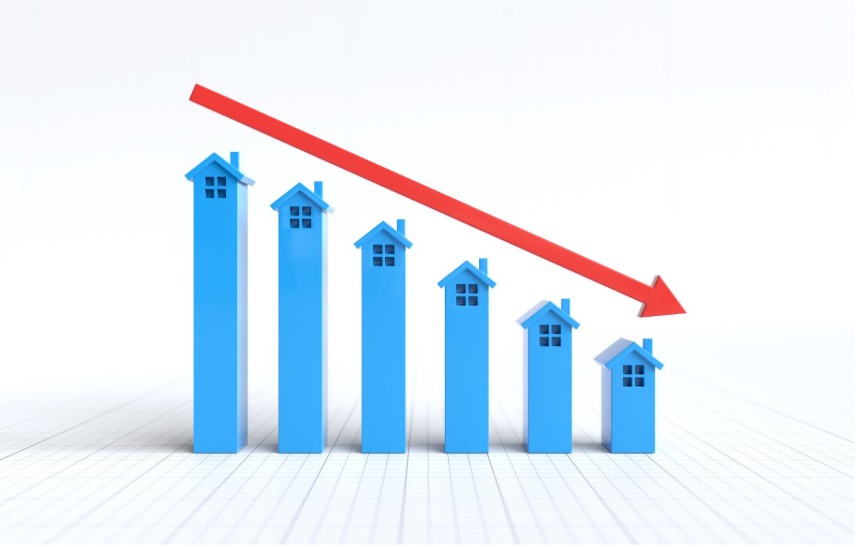
The mortgage market has been on a rollercoaster ride in recent years, with rates hitting highs that many homebuyers hadn’t seen in over a decade. But industry experts are now signaling a shift: mortgage rates are expected to ease over the next year. What’s driving this optimism, and what does it mean for buyers and homeowners? Let’s break down the key factors behind this forecast and how you can position yourself to take advantage of the changing landscape. For much of 2022 and early 2023, central banks around the world—including the U.S. Federal Reserve—raised interest rates aggressively to combat inflation. This push caused borrowing costs, including mortgage rates, to spike sharply. However, in recent months, inflation has shown signs of moderating, prompting central banks to slow down their rate hikes. Many economists believe that the Fed and other central banks will either pause or begin gradually lowering rates over the next year, which typically leads to lower mortgage rates. Mortgage rates often move in tandem with broader economic conditions. If the economy slows down or enters a mild recession, central banks may lower interest rates to stimulate growth. This easing can translate into more affordable mortgage rates. Recent economic data points to a moderation in growth in key markets, with consumer spending softening and supply chain disruptions easing. These factors support the outlook that borrowing costs will ease to encourage investment and housing activity. Mortgage rates are closely tied to yields on long-term government bonds, like the 10-year U.S. Treasury note. Over the past year, bond yields rose dramatically, pushing mortgage rates up. Recently, bond yields have begun to stabilize and even decline slightly, reflecting investor expectations that inflation will be controlled and rate hikes will slow. :chart_with_downwards_trend: Analysts see this as a positive sign that mortgage rates may gradually decrease through 2025. High mortgage rates have cooled housing demand in many regions, leading to slower home price growth or even price declines in some markets. This shift reduces pressure on lenders and the broader market to maintain high rates. With affordability becoming a growing concern, lenders and policymakers have incentives to keep rates in check to encourage homebuying and stabilize the market. As demand softens, lenders are competing more aggressively for borrowers. This competition can result in: More attractive mortgage products Discounts on rates or fees Special programs for first-time buyers or refinancers Such offers may not directly lower headline rates but can reduce the overall cost of borrowing. Buyers: If you’ve been waiting for rates to come down before buying, the next year could bring better borrowing conditions. It’s wise to get pre-approved now and stay informed about market shifts. Refinancers: Homeowners with higher-rate mortgages should watch for refinancing opportunities to reduce monthly payments or shorten loan terms. Investors: Easing mortgage rates can revive housing demand, potentially supporting property values and rental markets. While no one can predict the future with certainty, the consensus among mortgage and economic experts is clear: mortgage rates are likely to ease gradually over the next year. This outlook is driven by slowing inflation, a cautious central bank stance, stabilizing bond markets, and shifts in the housing market dynamics. For buyers and homeowners, staying informed and working with trusted lenders will be key to navigating this evolving landscape and making the most of improving mortgage conditions.1. Central Banks Are Taking a More Cautious Approach
2. Slower Economic Growth Could Bring Rates Down
3. Bond Market Trends Signal Lower Mortgage Rates Ahead
4. Housing Market Conditions Encourage Rate Relief
5. Increased Competition Among Lenders
What This Means for Homebuyers and Homeowners
Final Thoughts
Mortgage Rates Forecast: Why Relief Could Be on the Horizon