
by Katherine Soditus | May 14, 2025 | Home Improvement, Real Estate Tips
Whether you’re preparing to sell or simply want to build equity, investing in your home strategically can lead to a significant return. Some home projects not only make your living space more enjoyable but also increase its market value.
Here are 10 proven home improvement projects that offer the best bang for your buck:
1. Minor Kitchen Remodel
ROI: 70–80%
You don’t need a full gut renovation to impress buyers. Replacing outdated cabinet hardware, upgrading countertops, installing modern lighting, or switching to stainless steel appliances can transform your kitchen. Keeping the layout but modernizing finishes is a smart move.
Pro Tip: Stick to a neutral color palette to appeal to the widest range of buyers.
2. Bathroom Renovation
ROI: 60–70%
Bathrooms are high-impact spaces. Replace old vanities, install water-efficient toilets, re-tile the shower or tub, and update lighting fixtures. A clean, functional, and modern bathroom can be a major selling point.
3. Boost Curb Appeal
ROI: 75–100%
First impressions matter. Simple upgrades like landscaping, exterior lighting, painting the front door, and power washing can dramatically increase perceived value.
Pro Tip: A new front door alone can return nearly 100% of its cost.
4. Repaint Interior and Exterior
ROI: ~60%
A fresh coat of paint is one of the easiest and most affordable ways to refresh your home. Stick with warm neutrals like greige, soft gray, or beige to make your space feel clean and inviting.
5. Install a New Garage Door
ROI: 90–95%
Surprisingly, replacing an outdated garage door offers one of the highest returns. It boosts curb appeal, adds insulation, and gives your home a polished look.
6. Upgrade to Energy-Efficient Windows
ROI: 60–70%
Energy-efficient windows reduce utility bills and are a major selling point for eco-conscious buyers. They also improve comfort and reduce outside noise—great for urban or busy neighborhoods.
7. Finish the Basement or Attic
ROI: 50–75%
Extra livable square footage is a big plus. Convert that basement or attic into a guest suite, office, or media room to dramatically increase usable space and value.
8. Replace Flooring
ROI: 70–80%
Hardwood or luxury vinyl plank flooring continues to be a favorite among buyers. If you’re replacing carpet or dated tile, consider modern, low-maintenance options that appeal to broad tastes.
9. Add Smart Home Features
ROI: Varies (High Buyer Appeal)
Smart thermostats, video doorbells, keyless entry, and integrated security systems offer convenience and are becoming expected in modern homes. They may not have a direct ROI, but they can help your home sell faster.
10. Improve Lighting
ROI: Moderate, High Visual Impact
Lighting changes the feel of a home. Use layered lighting (ambient, task, and accent) to brighten dark spaces and highlight architectural features.
by Katherine Soditus | Apr 21, 2025 | Home Improvement
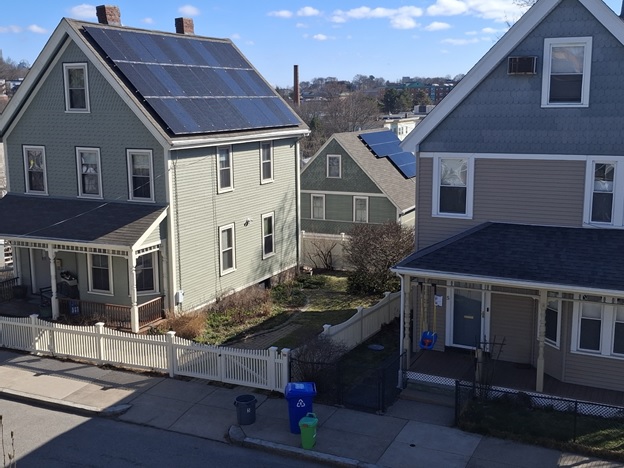
Photo by Ray Stockwell
In today’s real estate market, eco-friendly home improvements are not just a trend—they’re a smart investment. Sustainable upgrades can enhance your home’s appeal, reduce utility costs, and increase property value. Here are some practical tips on how to make your home more eco-friendly and attractive to potential buyers.
1. Energy-Efficient Windows and Doors
One of the most effective ways to improve your home’s energy efficiency is by upgrading to energy-efficient windows and doors. These installations help maintain indoor temperatures, reducing the need for heating and cooling. Look for windows with low-E (low-emissivity) glass and doors with proper insulation. Not only will these upgrades lower your energy bills, but they will also make your home more comfortable year-round.
2. Solar Panels
Installing solar panels is a significant investment that can pay off in the long run. Solar energy reduces your reliance on the grid and can significantly lower your electricity bills. Additionally, homes with solar panels often have higher resale values. Many buyers are willing to pay a premium for properties with renewable energy sources, making this a worthwhile upgrade.
3. Smart Thermostats
Smart thermostats are an easy and relatively inexpensive way to boost your home’s energy efficiency. These devices learn your schedule and adjust the temperature accordingly, ensuring optimal energy use. Some models can even be controlled remotely via smartphone apps, allowing you to manage your home’s climate from anywhere. This convenience and efficiency can be a strong selling point for tech-savvy buyers.
4. Water-Saving Fixtures
Water conservation is another critical aspect of an eco-friendly home. Upgrading to water-saving fixtures, such as low-flow toilets, showerheads, and faucets, can significantly reduce water usage. These fixtures are designed to maintain performance while using less water, helping you save on utility bills and reduce your environmental footprint.
5. Insulation and Sealing
Proper insulation and sealing are essential for maintaining a home’s energy efficiency. Consider adding insulation to your attic, walls, and floors to prevent heat loss in the winter and keep your home cool in the summer. Additionally, sealing gaps and cracks around windows, doors, and other openings can prevent drafts and improve overall energy efficiency. These upgrades can make your home more comfortable and reduce energy costs.
6. Sustainable Landscaping
Eco-friendly home improvements aren’t limited to the interior. Sustainable landscaping can enhance your home’s curb appeal and reduce maintenance costs. Consider planting native plants that require less water and are more resistant to local pests and diseases. Installing a rainwater harvesting system can also help you conserve water and keep your garden lush and green.
7. Energy-Efficient Appliances
Upgrading to energy-efficient appliances is a straightforward way to reduce your home’s energy consumption. Look for appliances with the ENERGY STAR label, which indicates they meet strict energy efficiency guidelines. Energy-efficient refrigerators, dishwashers, washing machines, and dryers can lower your utility bills and appeal to environmentally conscious buyers.
8. Green Roofing
Green roofing, or installing a living roof, is an innovative way to improve your home’s insulation and reduce stormwater runoff. A green roof is covered with vegetation, which helps regulate indoor temperatures and provides additional insulation. While this upgrade can be more costly, it offers significant environmental benefits and can make your home stand out in the market.
9. LED Lighting
Switching to LED lighting is a simple yet effective way to make your home more eco-friendly. LED bulbs use significantly less energy than traditional incandescent bulbs and have a much longer lifespan. This upgrade can reduce your energy bills and maintenance costs, making it an attractive feature for potential buyers.
10. Sustainable Building Materials
When making any home improvements, consider using sustainable building materials. Reclaimed wood, bamboo, and recycled metal are excellent choices for eco-friendly renovations. These materials are not only environmentally friendly but also add unique character and charm to your home.
Incorporating these eco-friendly home improvements can enhance your property’s value and appeal to a growing market of environmentally conscious buyers. By investing in sustainable upgrades, you’re not only contributing to a healthier planet but also making a smart financial decision for your future.
Are there any specific eco-friendly upgrades you’re considering for your home?
by Katherine Soditus | Apr 16, 2025 | Home Improvement
In today’s real estate market, eco-friendly home improvements are not just a trend but a smart investment. Homebuyers are increasingly looking for properties that offer sustainability and energy efficiency. Making eco-friendly upgrades can not only reduce your carbon footprint but also add significant value to your home. Here are some eco-friendly home improvements that can enhance your property’s appeal and market value.
1. Energy-Efficient Windows and Doors
Replacing old windows and doors with energy-efficient models can significantly reduce energy loss. Look for windows with double or triple glazing and low-E coatings, which help to keep your home warm in the winter and cool in the summer. Energy-efficient doors, especially those with proper insulation, can also prevent drafts and improve overall energy efficiency. These upgrades can lower your energy bills and make your home more attractive to potential buyers.
2. Solar Panels
Installing solar panels is one of the most impactful eco-friendly improvements you can make. Solar energy is a renewable resource that can drastically reduce your electricity costs. While the initial investment can be substantial, many governments offer tax incentives and rebates that can offset the cost. Homes with solar panels are often seen as more desirable, and the long-term savings on energy bills can be a significant selling point.
3. Insulation Upgrades
Proper insulation is crucial for maintaining a comfortable indoor temperature and reducing energy consumption. Consider upgrading your home’s insulation in the attic, walls, and floors. Eco-friendly insulation materials, such as cellulose or recycled denim, are effective and sustainable options. Improved insulation can lead to lower heating and cooling costs, making your home more energy-efficient and appealing to eco-conscious buyers.
4. Water-Saving Fixtures
Water conservation is another important aspect of eco-friendly living. Installing water-saving fixtures, such as low-flow toilets, faucets, and showerheads, can significantly reduce water usage. Additionally, consider adding a rainwater harvesting system to collect and reuse rainwater for irrigation. These improvements not only help conserve water but also lower utility bills, making your home more attractive to environmentally conscious buyers.
5. Energy-Efficient Appliances
Upgrading to energy-efficient appliances is a simple yet effective way to make your home more eco-friendly. Look for appliances with the ENERGY STAR label, which indicates they meet strict energy efficiency guidelines. Energy-efficient refrigerators, dishwashers, washing machines, and dryers use less electricity and water, reducing your utility bills and environmental impact. Modern, energy-efficient appliances can also enhance the overall appeal of your home.
6. Sustainable Landscaping
Eco-friendly home improvements extend beyond the interior of your home. Sustainable landscaping practices can enhance your property’s curb appeal and environmental impact. Consider planting native species that require less water and maintenance. Incorporate xeriscaping techniques, such as using drought-tolerant plants and efficient irrigation systems, to reduce water usage. Adding a composting system and using organic mulch can also improve soil health and reduce waste.
7. Smart Home Technology
Integrating smart home technology can improve energy efficiency and convenience. Smart thermostats, lighting systems, and energy monitors allow you to control and optimize your home’s energy usage. These technologies can help reduce energy consumption and lower utility bills. Additionally, smart home features are increasingly popular among buyers, making your home more attractive in the market.
Conclusion
Eco-friendly home improvements are a win-win for homeowners and the environment. By investing in energy-efficient windows and doors, solar panels, insulation upgrades, water-saving fixtures, energy-efficient appliances, sustainable landscaping, and smart home technology, you can enhance your home’s value and appeal. These upgrades not only reduce your carbon footprint but also offer long-term savings on utility bills, making your home more attractive to potential buyers. Embrace sustainability and make your home a greener, more valuable asset.