by Katherine Soditus | Apr 5, 2026 | Uncategorized
When homeowners start thinking about selling, one of the first questions that comes up is, “What should I update?”
It’s a fair question and one that often leads people down the wrong path.
In an effort to “do the right things,” many sellers accidentally spend time, money, and energy on updates that don’t help and in some cases, quietly work against them. The good news is that most design missteps before selling aren’t dramatic or irreversible. They’re simply a matter of perspective.
Understanding what buyers tend to respond to and what they tend to overlook can make preparation feel much clearer.
Mistake #1: Over-Personalizing the Space
One of the most common issues is leaving too much of your personality in the home when it’s time to show it.
That doesn’t mean your style is wrong. It means that buyers need room to imagine theirs.
Common examples include:
Buyers aren’t judging the taste itself, they’re trying to mentally place their own furniture, routines, and preferences into the space. When a home feels visually crowded or highly customized, that mental step is harder.
What helps instead:
Neutralizing without erasing. Clean walls, simplified décor, and fewer visual focal points give rooms flexibility without making them feel empty.
Mistake #2: Renovating Without a Clear Purpose
Another frequent misstep is assuming that any renovation is a good renovation.
In reality, last-minute projects, especially expensive ones, rarely deliver the emotional or financial return sellers expect. New kitchens, bathrooms, or flooring don’t always translate dollar-for-dollar, particularly if they’re chosen quickly or reflect very specific tastes.
Buyers often value:
-
Condition
-
Functionality
-
Overall feel
More than they value brand-new finishes.
What helps instead:
Addressing wear and tear. Fixing what’s broken, refreshing what’s tired, and making the home feel well cared for almost always matters more than chasing upgrades.
Mistake #3: Ignoring Lighting
Lighting is one of the quietest influences on how a home feels and one of the easiest to overlook.
Dim rooms, mismatched bulbs, or outdated fixtures can make an otherwise attractive space feel smaller, colder, or less inviting.
This isn’t always about buying new light fixtures. Often, it’s about:
-
Replacing harsh or dull bulbs with warm, consistent lighting
-
Making sure all lights work
-
Allowing natural light to do as much of the work as possible
What helps instead:
Brightening without overdoing it. Homes that feel naturally light tend to show better, photograph better, and linger positively in buyers’ minds.
Mistake #4: Forgetting the First Impression
Homeowners often focus heavily on interior spaces and unintentionally neglect how the home feels at the very beginning.
First impressions are formed quickly, sometimes before a buyer even steps inside.
Common issues include:
These details don’t usually require major investments, but they set the emotional tone for the entire showing.
What helps instead:
Simple curb-appeal refreshes: trimmed greenery, a clean entry, and a welcoming front door can quietly elevate everything that follows.
Mistake #5: Doing Too Much
It’s natural to want the home to feel “just right,” but over-staging or over-styling can backfire.
Homes that feel overly arranged sometimes feel less livable. Buyers may admire the presentation but struggle to connect emotionally.
What helps instead:
Restraint. Clean, comfortable spaces with room to breathe tend to feel more authentic and easier to imagine living in.
The Bigger Picture
The goal of preparing a home for sale isn’t to impress everyone. It’s to make the home feel approachable, coherent, and easy to understand.
Most buyers aren’t looking for perfection. They’re looking for potential clarity in an environment where they can picture their own next chapter.
When preparation focuses on comfort, simplicity, and care rather than trends or assumptions, homes tend to resonate more naturally.
If you’re ever wondering which changes are worth making and which ones can be skipped, that perspective can save both stress and resources. Sometimes, doing less (but doing it thoughtfully) is exactly what helps most.
by Katherine Soditus | Apr 5, 2026 | Uncategorized
One of the most common phrases I hear in conversations about moving is, “We’re just waiting for the right time.”
On the surface, that sounds reasonable, even responsible. Homes are often the largest financial and emotional decisions people make, so wanting clarity before acting makes sense.
But over time, I’ve noticed something important:
The idea of a “perfect time” often creates more stress than certainty.
That’s because real estate decisions are rarely just about the market. They’re about life, and life has its own timeline.
The Myth of Perfect Timing
The concept of perfect timing assumes that:
-
The market will send a clear signal
-
Conditions will align neatly
-
The decision will feel obvious and comfortable
In reality, markets are always moving, information is always changing, and clarity rarely arrives all at once. Waiting for that moment can quietly turn into months or years of standing still, even when the current situation no longer fits.
That doesn’t mean acting impulsively is better. It means that waiting without direction can become its own kind of risk.
Life Changes Don’t Follow Market Cycles
Most real estate moves are triggered by life, not numbers.
People move because:
These moments don’t usually line up perfectly with interest rates, inventory cycles, or headlines. And when people delay change solely because the market feels uncertain, they sometimes end up carrying more strain than they realize, commutes that exhaust them, homes that feel too large or too tight, maintenance that no longer makes sense.
Over time, that mismatch can cost more emotionally and practically than waiting was meant to save.
The Cost of Waiting Isn’t Always Obvious
When people think about waiting, they tend to focus on what they might gain:
-
A lower rate
-
A better price
-
More options
What often gets overlooked is what they’re giving up:
-
Time
-
Comfort
-
Flexibility
-
Peace of mind
Living in a home that no longer fits can create daily friction. That friction doesn’t show up on a spreadsheet, but it affects quality of life in very real ways.
Better decisions often come from weighing both sides of that equation.
Reframing the Question
Instead of asking, “Is this the perfect time?” more helpful questions tend to be:
-
“Does my current home still serve my life well?”
-
“What would improve if I made a change?”
-
“What am I actually waiting for, and is that realistic?”
These questions take the pressure off trying to outguess the market and place it back where it belongs: on personal priorities, adaptability, and long-term comfort.
Real estate decisions don’t have to be rushed, but they do benefit from intention.
Long-Term Perspective Matters More Than Short-Term Conditions
Homes are typically held for years, not months. Over that stretch of time, markets rise, fall, and normalize repeatedly.
When decisions are anchored to:
-
Personal needs
-
Financial sustainability
-
Long-term plans
Short-term fluctuations tend to matter less than people fear they will.
This is why two people can move at the same time and feel very differently about it because one decision was driven by alignment, and the other by pressure or fear.
The Bottom Line
There’s no universal “right time” that works for everyone.
There are only moments where change makes sense or doesn’t, based on the life you’re living now and the one you’re planning for. When those dots connect, decisions tend to feel steadier, even in imperfect conditions.
Thoughtful moves aren’t about chasing ideal circumstances. They’re about choosing progress that aligns with real needs.
If you ever want to talk through timing from that perspective without urgency or expectations, it’s often easier to find clarity than people expect.
by Katherine Soditus | Apr 5, 2026 | Uncategorized
Every now and then, it’s nice to have a dessert that doesn’t require special tools, perfect timing, or a lot of cleanup. Something familiar, comforting, and forgiving.
These chocolate chip bars are exactly that. They’re the kind of thing you can make on a quiet weekend afternoon or bring to a casual gathering without overthinking it. No mixers. No complicated steps. Just a dependable recipe that works.
Sometimes the simplest things really are the ones people gravitate toward most.
Why This Recipe Works
-
Uses ingredients most people already have
-
One bowl, minimal cleanup
-
Easy to transport and share
-
Feels homemade without being finicky
It’s not meant to be impressive, it’s meant to be enjoyed.
Ingredients
-
½ cup (1 stick) unsalted butter, melted and cooled slightly
-
½ cup brown sugar
-
¼ cup granulated sugar
-
1 large egg
-
1 teaspoon vanilla extract
-
1¼ cups all-purpose flour
-
½ teaspoon baking soda
-
¼ teaspoon salt
-
¾ cup chocolate chips
Optional additions:
Instructions
-
Preheat the oven to 350°F. Lightly grease or line an 8×8-inch baking pan.
-
Mix the base.
In a bowl, whisk together the melted butter, brown sugar, and granulated sugar until smooth.
-
Add the wet ingredients.
Stir in the egg and vanilla until well combined.
-
Add the dry ingredients.
Gently mix in flour, baking soda, and salt until just combined. Fold in chocolate chips.
-
Bake.
Spread batter evenly into the prepared pan. Bake for 20–25 minutes, until edges are set and the center is slightly soft.
-
Cool and slice.
Let bars cool completely before cutting into squares.
Simple Variations
-
Swap chocolate chips for white chocolate or peanut butter chips
-
Add espresso powder to deepen the flavor
-
Serve warm with vanilla ice cream for an easy dessert
A Simple Way to Close the Day
Desserts like this aren’t about perfection; they’re about comfort. They’re the kind of thing you make when the house is quiet, or when you want to bring something familiar to share.
As this newsletter series wraps up, it felt fitting to end with something uncomplicated and grounding. Sometimes the best moments at home are the simplest ones.
Enjoy, and I hope it brings a little sweetness to your week.
by Katherine Soditus | Apr 1, 2026 | Uncategorized
The real estate market in 2026 is filled with headlines about mortgage rates, home prices, and shifting demand. But the truth is, your next move shouldn’t be based on headlines alone—it should be based on your life, your goals, and your timing.
Whether you’re thinking about buying, selling, or simply exploring your options, understanding today’s market can help you move forward with confidence.
Why the Market Feels Different in 2026
The housing market has transitioned from the fast-paced, highly competitive environment of previous years into a more balanced and strategic space. Mortgage rates remain higher than historic lows, and buyers are taking a more thoughtful approach.
This shift means:
-
Buyers have more negotiating power
-
Sellers need stronger pricing strategies
-
Inventory is gradually increasing
In short, success today is less about speed and more about smart decision-making.
What This Means for Buyers
If you’re buying a home in 2026, affordability is likely your biggest consideration. Higher mortgage rates can impact your monthly payment, but they also create opportunities.
Today’s buyers are:
-
Exploring different neighborhoods and price points
-
Taking more time to evaluate options
-
Negotiating more confidently
The key is to focus on what you can comfortably afford rather than trying to time the market perfectly.
What This Means for Sellers
For sellers, preparation matters more than ever. While homes are still selling, buyers are more selective and price-sensitive.
To stand out, sellers should:
-
Price their home realistically
-
Invest in small, high-impact improvements
-
Present their home professionally
A well-prepared home in the right price range can still attract strong offers.
Opportunities for Investors
Real estate investors are finding new opportunities in today’s market. With less competition and more available inventory, there is greater potential to secure properties at favorable terms.
Smart investors are focusing on:
-
Long-term value
-
Rental income potential
-
Market stability
Even in a higher-rate environment, real estate remains a powerful wealth-building tool.
Why Timing Is Personal
One of the biggest misconceptions in real estate is that there’s a “perfect” time to buy or sell. In reality, the right time depends on your personal situation.
You might consider making a move if:
-
Your current home no longer fits your needs
-
You’re looking for more financial stability
-
You’re ready for a new chapter
Waiting for perfect conditions can sometimes mean missing the right opportunity for you.
How to Make a Smart Move in 2026
No matter your goal, having a clear strategy makes all the difference.
-
Understand your budget and financing options
-
Stay informed about local market trends
-
Work with experienced professionals
-
Focus on long-term value, not short-term noise
When you align your decisions with your goals, the process becomes clearer and less stressful.
Bottom Line
The 2026 housing market is not about reacting to headlines—it’s about making informed, confident decisions. With the right approach, buyers, sellers, and investors can all find opportunities to succeed.
If you’re thinking about your next move, a simple, pressure-free conversation can help you understand your options and create a plan that works for you.
by Katherine Soditus | Mar 30, 2026 | Uncategorized
Your home isn’t just a place to live—it’s one of your most valuable financial assets. Building home equity increases the portion of your home you truly own and creates opportunities for refinancing, home improvements, or even investing in another property. Understanding how to grow your equity can help you build long-term wealth and financial stability.
What Is Home Equity?
Home equity is the difference between your home’s market value and the amount you still owe on your mortgage. As you pay down your loan and as your property value increases, your equity grows.
Think of it as a form of forced savings—one that builds over time and can later be used for investments, renovations, or financial security.
5 Smart Ways to Build Home Equity
1) Make Extra Mortgage Payments
Paying more than your required monthly amount helps reduce your loan balance faster and saves on interest over time.
Tip: Round up your monthly payment or make one extra payment each year to accelerate equity growth.
2) Avoid Frequent Refinancing
Refinancing can be beneficial, but doing it too often resets your loan term and slows equity growth.
Tip: Consider refinancing only if you can significantly lower your interest rate and plan to stay long enough to recover closing costs.
3) Maintain Your Home
Regular maintenance protects your property value and prevents costly repairs. A well-maintained home retains value and appeals to future buyers.
Tip: Follow a seasonal maintenance routine to keep your home in top condition.
4) Invest in High-Return Upgrades
Focus on renovations that add value, such as kitchen and bathroom updates or energy-efficient improvements.
Budget-friendly upgrades like fresh paint, updated lighting, and modern fixtures can also boost appeal.
5) Stay in Your Home Longer
Real estate typically appreciates over time. The longer you own your home, the more equity you build through both appreciation and mortgage paydown.
Why Home Equity Matters
Home equity provides financial flexibility and security. It can be used for home improvements, debt consolidation, or major life expenses. It also acts as a financial cushion during market changes.
For example, a home equity line of credit (HELOC) can offer lower interest rates compared to credit cards, making it a useful financial tool when used wisely.
Common Mistakes to Avoid
-
Over-improving beyond your neighborhood’s value
-
Ignoring routine maintenance
-
Refinancing without understanding the long-term costs
Bottom Line
Building home equity doesn’t require complex strategies—it comes down to consistent payments, smart upgrades, and proper home maintenance. When you treat your home as an investment, it can deliver long-term financial growth and stability.
by Katherine Soditus | Jul 11, 2025 | Residential | Active

$409,900
Active
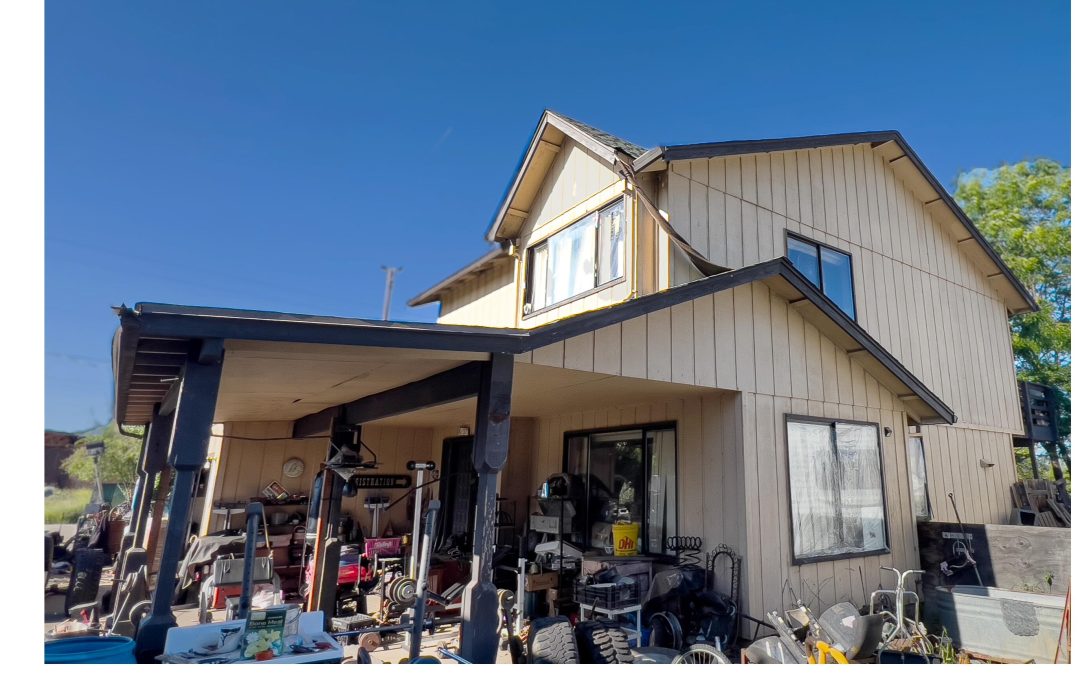
Investor Opportunity – Priced for Immediate Action! This property is a true diamond in the rough—hidden behind clutter and deferred maintenance, with clear built-in equity if cleaned and renovated. Currently in foreclosure, it offers a rare chance for resourceful investors with cash and resources necessary to capitalize on a promising 1+ac with 4-bed, 2-bath farmhouse on TWO parcels. Home includes an attached 2-car garage, large detached metal barn with room for 6+ vehicles, and smaller wood barn. The expansive land boasts open pasture, a pond, creek, garden beds, fruit trees, all near GI industrial/commercial zones with excellent freeway access (backs to freeway.) Although citations and back taxes exist, the property’s potential for sweat equity and future value is immense. This is your opportunity to MAKE IT HAPPEN—clean up, upgrade, and unlock the true earning potential of this rural yet conveniently located estate. Act fast—property needs work but the rewards could be significant!

by Katherine Soditus | Jul 7, 2025 | Mortgage Rates
If you’re considering buying a home this summer, one of the biggest questions on your mind is likely: How much house can I afford? It’s a great question — and a smart place to start. With home prices still strong in many markets and mortgage rates continuing to fluctuate in 2025, understanding your budget is more important than ever.
The good news? With a few key insights into today’s rates, lending trends, and budgeting strategies, you’ll be in a great position to make informed, confident decisions as a first-time buyer or move-up buyer.
Let’s walk through what’s happening in July 2025 and how you can determine your homebuying budget with clarity and confidence.
What Are Interest Rates Like in July 2025?
As of July 2025, mortgage interest rates are hovering in the mid-to-upper 6% range for a 30-year fixed loan, with some buyers qualifying for slightly lower or higher depending on their credit profile, down payment, and loan type.
While that may feel high compared to the historic lows we saw during the pandemic, keep in mind that rates in the 6–7% range are still within a normal range by long-term standards. Lenders are offering more flexible options — including adjustable-rate mortgages (ARMs), rate buydowns, and first-time buyer incentives — that can make monthly payments more manageable.
If you’re a first-time buyer, you might also qualify for down payment assistance or special loan programs (like FHA, VA, or USDA loans) that come with more lenient credit and income guidelines.
What Determines How Much House You Can Afford?
There’s no one-size-fits-all answer, but a few key factors play a major role in determining your buying power:
- Your Income
Lenders typically use a debt-to-income (DTI) ratio to calculate how much house you can afford. In general, your total monthly housing costs (mortgage, taxes, insurance) shouldn’t exceed about 28–31% of your gross monthly income.
- Your Existing Debts
If you have student loans, car payments, or credit card balances, these will factor into your total DTI ratio. Most lenders prefer a total DTI (including housing and all other debts) of 43% or less.
- Your Down Payment
A larger down payment can lower your monthly payments and may eliminate private mortgage insurance (PMI). Many buyers aim for 10–20%, but programs exist with as little as 3% down. Just know that a smaller down payment typically means a higher monthly cost.
- Credit Score
Your credit score directly affects your interest rate. The higher your score, the lower your rate — and even a half-point difference can add up to tens of thousands over the life of a loan.
- Loan Term and Type
Choosing a 15-year loan instead of a 30-year loan will mean higher monthly payments but less interest overall. Meanwhile, FHA, VA, or USDA loans might give you more flexibility if you’re tight on cash or have a lower credit score.
Example: Affordability Snapshot in July 2025
Let’s say you’re a first-time buyer with:
- Gross monthly income: $6,500
- Monthly debt payments (car, student loans, etc.): $750
- Credit score: 700
- Down payment: $30,000
- Mortgage interest rate: 6.75% (30-year fixed)
Using general affordability guidelines, your maximum monthly mortgage payment (including taxes and insurance) might be around $1,700–$1,900. This could translate to a home price in the ballpark of $300,000–$350,000, depending on property taxes, insurance costs, and loan terms.
Of course, this is just a ballpark — working with a mortgage lender will help you dial in your exact numbers.
Tips to Help You Budget Wisely
Knowing your price range is one thing — but building a realistic monthly budget is where the magic happens. Here’s how to keep your finances in check:
- Look Beyond the Mortgage
Homeownership comes with extra costs: property taxes, homeowner’s insurance, utilities, HOA fees (if applicable), and routine maintenance. As a rule of thumb, plan to set aside at least 1% of your home’s value per year for upkeep and repairs.
- Keep Your Emergency Fund Intact
Don’t drain your savings to cover your down payment. Lenders love to see that you have 2–3 months of reserves (enough to cover your mortgage payments if your income takes a hit). An emergency fund also gives you peace of mind as a new homeowner.
- Get a Pre-Approval, Not Just a Pre-Qualification
A pre-approval involves verifying your income, assets, and credit — and gives you a much clearer (and more trustworthy) number than a basic pre-qualification. It also makes you more competitive when you’re ready to make an offer.
- Consider Monthly Lifestyle Costs
Think about your spending on travel, childcare, entertainment, or dining out. If homeownership would require you to dramatically cut back on what makes you happy, it’s okay to adjust your price point to preserve balance.
Next Steps for Buyers in July 2025
If you’re thinking of buying this summer, here’s what you should do next:
- Check your credit score and make any quick improvements (pay down cards, avoid opening new accounts).
- Meet with a lender to get pre-approved and understand your financing options.
- Connect with a local real estate agent who can help you explore homes that fit your price range and lifestyle goals.
- Review your budget and make sure you’re clear on your monthly comfort zone — not just your maximum limit.
- Stay flexible. Market conditions can shift, and the right home might not always appear immediately. But when it does, being financially ready makes all the difference.
Final Thoughts: Know Before You Go
Buying a home is one of the biggest financial decisions you’ll ever make — and figuring out how much house you can afford is the foundation of that process. In July 2025, rising rates and market competition may feel intimidating, but with the right preparation, you can still make a smart and successful purchase.
Don’t guess your way through it. Know your numbers, understand your options, and surround yourself with professionals who will advocate for your best interest.
Thinking about buying this summer? Let’s connect — I specialize in helping first-time home buyers understand the market, the math, and the process from start to finish. No pressure, just solid advice.
Let me know if you’d like this blog turned into an email, social caption, or lead magnet!

by Katherine Soditus | Jul 7, 2025 | Recipes
It’s peak barbecue season, and nothing says summer like the smell of burgers, ribs, or veggie kabobs sizzling on the grill. Whether you’re hosting a backyard cookout, enjoying a small family dinner, or just sneaking in a solo steak night, grill safety matters — especially in the heat of July.
Every year, thousands of fires and injuries are caused by grills, most of them preventable. So before you light up that charcoal or turn on the propane, let’s run through some BBQ safety tips to help you keep the food hot and the summer stress-free.
1. Grill Outside — Always
This might seem obvious, but it’s worth repeating: Never grill indoors — not in the garage, not under an awning, and definitely not inside a tent. Grills give off carbon monoxide, which is odorless and deadly. Plus, they pose a serious fire risk if used in enclosed or partially enclosed spaces.
Always set up your grill at least 10 feet away from your home, deck railings, or anything flammable like fences, shrubs, or patio umbrellas.
2. Check for Gas Leaks (If You Use Propane)
Before firing up a gas grill for the first time this season, check for leaks. You can do this easily by mixing a bit of dish soap with water and brushing it over the hose and connections. Turn on the gas (but not the grill) — if you see bubbles, that’s a leak. Tighten the connections or replace the hose before using the grill.
If you ever smell gas while cooking, turn off the grill immediately, move away, and don’t light it again until it’s inspected.
3. Keep a Close Eye on the Heat
Unattended grills are a leading cause of BBQ-related accidents. It only takes a few minutes for flames to flare up or for kids and pets to wander too close.
- Never leave your grill unattended while it’s hot.
- Keep children and pets at least three feet away from the cooking area.
- Have a fire extinguisher, bucket of sand, or baking soda nearby in case of a flare-up (never use water on a grease fire!).
4. Clean Your Grill Regularly
Grease buildup isn’t just gross — it’s dangerous. Clean your grill grates and empty the grease trap often to prevent unexpected flare-ups. A quick brush after every use and a deeper clean once a month during heavy BBQ season can make a big difference.
Bonus: Your food will taste better, too.
5. Know Your Tools and Setup
- Use long-handled utensils to avoid burns and splatter.
- Wear grill gloves or oven mitts rated for high heat — regular oven mitts may not cut it.
- Keep matches and lighters away from kids (even the curious ones).
- Never use starter fluid on an already-lit charcoal grill. If the coals are fading, add more charcoal — not lighter fluid.
6. Food Safety Counts Too
It’s not just the fire you need to watch — foodborne illness is a real risk in hot July weather.
- Use a meat thermometer to ensure safe internal temperatures:
- Chicken: 165°F
- Beef, pork, lamb: 145°F (with 3-minute rest)
- Ground meat: 160°F
- Don’t reuse plates or utensils that touched raw meat.
- Keep cold food in a cooler with ice until you’re ready to grill, and refrigerate leftovers quickly.
7. Be Weather-Aware
Grilling during a heatwave or on a windy day? Be extra cautious.
- In high temps, stay hydrated and take breaks in the shade. Heat exhaustion is no joke.
- On windy days, make sure your grill is on a stable surface, and be mindful of flying sparks or embers.
If your area is under a fire warning or drought restriction, check local rules before grilling — some areas temporarily ban outdoor fires during extreme conditions.
Final Thoughts: Grill Smart, Stay Safe
A barbecue should be relaxing — full of laughter, great food, and maybe a cold drink or two. By keeping safety top of mind, you can make sure your July cookouts go off without a hitch (or a fire truck).
So go ahead — fire up the grill, gather your people, and enjoy everything summer has to offer. Just keep that extinguisher nearby and the grill far from the house, and you’re golden.
Need help prepping your backyard for entertaining this summer? I’ve got local contractor and handyman referrals who can help you create the perfect (safe) outdoor cooking space — just reach out!

by Katherine Soditus | Jul 7, 2025 | Real Estate Market Trends
We’re officially in the heart of summer, and if you’ve been watching the real estate market in July 2025, you know things are… interesting. Not as wild as the post-pandemic buying frenzy, but definitely not quiet either. Whether you’re thinking about buying, selling, or just curious about what’s happening out there, let’s break down the key trends — in plain, real-life terms.
Inventory: Slowly Coming Back to Life
The biggest news? We’re seeing more homes hit the market.
After a few years of tight supply, sellers are finally starting to come off the sidelines. Some are moving for lifestyle reasons (upsizing, downsizing, relocating), while others are finally ready to give up their super-low mortgage rates from years past.
More inventory means buyers have a little more breathing room — more choices, less pressure to make split-second decisions, and even the occasional price reduction.
But don’t get too relaxed just yet — it’s not exactly a buyer’s market. In many popular neighborhoods, demand is still strong and homes that are priced well and move-in ready are still getting snapped up quickly.
Prices: Holding Steady (But Not Climbing Fast)
Home prices aren’t spiking like they were in 2021, but they’re not crashing either. In most areas, prices are holding steady or rising very gradually.
Sellers who list at realistic prices — based on today’s market, not last year’s — are seeing good activity. Overpriced homes? Sitting longer. The key word this month is balance. Buyers are more cautious and budget-aware, and sellers need to meet them where they are.
If you’re a buyer, this is great news: fewer bidding wars and more opportunity to negotiate on things like closing costs, inspection credits, or move-in timelines.
Interest Rates: Still in the 6s (And That’s Okay)
As of July 2025, the average 30-year mortgage rate is hovering around 6.5%–6.9%, depending on your credit and down payment. That might feel high compared to the 3% rates of a few years ago, but guess what? People are adjusting — and buying anyway.
Many lenders are offering creative financing options again, like temporary rate buydowns or first-time buyer programs. And remember: you can always refinance later if rates drop. The real question is whether the home you love fits your monthly comfort zone today.
Buyer & Seller Mindsets Are Shifting
One of the most noticeable trends this month? Mindset shifts.
Buyers are more strategic and less impulsive. They’re asking smart questions, doing their homework, and looking beyond the “shiny” stuff to focus on value and livability.
Sellers, on the other hand, are getting more realistic. Many understand that pricing high and hoping doesn’t work anymore — and that staging, photography, and flexible terms matter more than ever.
Bottom Line: It’s a Good Time — If You’re Ready
The July 2025 real estate market isn’t overheated or ice cold — it’s active, stable, and full of opportunity for well-prepared buyers and sellers. If you’re thinking about making a move, focus on your goals, get your finances in order, and work with a pro who understands your local market.
Need help navigating your next step? Let’s chat — no pressure, just honest advice.

by Katherine Soditus | Jul 7, 2025 | First Time Buyer
You’ve found the home, you’ve signed the offer, you’re picturing your first pizza on the living room floor — and then someone brings up home insurance.
Wait, what does that even cover?
If you’re a first-time home buyer, you’re not alone in wondering what exactly home insurance protects — and what it doesn’t. The good news? It’s not as complicated as it seems, and knowing the basics can help you feel a lot more confident during the buying process.
Let’s walk through the most common questions, in plain English.
What Is Home Insurance, Exactly?
Home insurance (or homeowner’s insurance) is a policy that protects your home and belongings from certain types of damage, accidents, or disasters. It’s there to help you recover financially if something unexpected happens — whether it’s a fire, storm, or a surprise plumbing disaster.
Plus, if you’re taking out a mortgage, your lender will likely require you to have it before closing day.
What Does It Typically Cover?
Most standard policies cover these key areas:
- Your Home’s Structure (Dwelling Coverage):
If your home is damaged by fire, hail, wind, lightning, or similar disasters, your insurance helps pay to repair or rebuild it.
- Detached Structures:
This includes things like garages, sheds, and fences — usually covered for a portion of your home’s total value.
- Your Belongings (Personal Property):
Furniture, clothes, electronics, etc. If they’re stolen or destroyed by a covered event, you’ll get money to replace them — often based on actual cash value or replacement cost (you can choose).
- Liability Protection:
If someone gets injured on your property and sues you, your policy can help cover legal fees or medical bills.
- Loss of Use (Additional Living Expenses):
If your home becomes unlivable due to damage, your insurance helps pay for hotel stays, meals, or temporary housing.
What’s Not Covered?
This part’s important. Home insurance doesn’t cover everything. Most standard policies don’t include:
- Floods (You’ll need separate flood insurance — even outside flood zones.)
- Earthquakes (Also a separate policy in most areas.)
- Wear and Tear or Neglect (Insurance doesn’t pay for old roofs or ignored repairs.)
- Pest Damage (Think termites, mice, or raccoons — unfortunately, that’s on you.)
Always read your policy details, and ask your agent if you’re not sure what’s included.
How Much Does It Cost?
It depends on your home’s value, location, size, and more — but nationally, the average cost ranges from $100 to $150 per month. Some areas with more severe weather or higher home values may cost more.
You can often get a discount by bundling with auto insurance, installing security systems, or choosing a higher deductible.
The average home insurance cost for a $1 million home in the U.S. can vary significantly based on location, home features, natural disaster risk, and coverage options. Below is a regional breakdown of estimated annual premiums as of 2025:
Northeast (e.g., NY, MA, PA)
- Average annual premium: $3,500 – $5,500
- Why: Moderate natural disaster risk but higher rebuild costs due to older homes and urban density. Winter storms and liability coverage also drive up costs.
West (e.g., CA, WA, CO)
- Average annual premium: $4,000 – $7,000+
- Why: High wildfire and earthquake risk (especially in California). Home insurance is more expensive here, and earthquake coverage is not included in most standard policies.
Southeast (e.g., FL, GA, NC, SC)
- Average annual premium: $6,000 – $12,000+
- Why: Major hurricane risk in coastal areas (especially Florida). Some insurers are exiting or reducing coverage in high-risk zones, driving up prices.
Southwest (e.g., AZ, NM, NV, TX)
- Average annual premium: $3,000 – $6,000
- Why: Texas tends to have higher premiums due to tornadoes and hail. Desert areas like Arizona have lower disaster risk but rising rebuild costs.
Midwest (e.g., IL, OH, MI, MN)
- Average annual premium: $2,500 – $4,500
- Why: Lower home prices and moderate weather risks. Some areas (like parts of the Plains states) face tornado and hail threats, which may push costs up.
Plains & Mountain States (e.g., KS, MT, WY, ND)
- Average annual premium: $2,000 – $4,000
- Why: Typically lower rebuild costs, but higher exposure to severe weather, hail, and rural fire response times.
Key Factors That Affect These Numbers:
- Location-specific risks (wildfires, hurricanes, floods)
- Rebuild costs and materials
- Home features (pools, fireplaces, square footage)
- Coverage limits and deductibles
- Bundling discounts (with auto or umbrella policies)
Tip:
For a $1 million home, many owners opt for higher-than-average liability limits, extended dwelling coverage, and riders for high-value items (like jewelry or art), all of which add to the base premium.
Final Thoughts
Home insurance is one of those “set it and forget it” things — until you need it. Understanding what it covers (and doesn’t) helps you make better choices and sleep a little easier once you’ve got those keys in hand.
Still have questions? I’m happy to connect you with a trusted insurance pro who can walk you through a quote, no pressure.