by Katherine Soditus | Mar 25, 2026 | Uncategorized
When it comes to real estate, one question comes up again and again:
“Is now the right time to buy or sell?”
It’s a fair question—but the answer isn’t as simple as market trends, interest rates, or headlines. The truth is, there is no universally “perfect” time. The right time is when your personal situation aligns with your goals, finances, and lifestyle.
Let’s break that down.
Why Trying to Time the Market Can Backfire
Many people delay decisions because they’re waiting for:
-
Lower interest rates
-
Lower home prices
-
More inventory
While these factors matter, they’re also unpredictable. Markets shift constantly, and waiting for the “perfect” moment can mean missing opportunities that actually fit your life right now.
For example:
-
If rates drop, competition often increases
-
If prices dip, inventory may be limited
-
If inventory rises, prices may stabilize or increase
In other words, the “perfect” scenario rarely exists all at once.
What Actually Matters More Than Timing
Instead of focusing only on the market, consider these key factors:
1) Your Financial Readiness
Can you comfortably afford the monthly payment, including taxes, insurance, and maintenance?
If yes, you’re already in a strong position—regardless of short-term market shifts.
2) Your Life Stage
Are you:
-
Outgrowing your current space?
-
Relocating for work or lifestyle?
-
Looking for more stability?
Real estate decisions are deeply tied to life changes, not just numbers.
3) Your Long-Term Plans
Real estate tends to reward patience. If you plan to stay in a home for several years, short-term fluctuations matter less.
Over time, homeowners benefit from:
Understanding the Trade-Offs
Every market comes with pros and cons:
-
Higher rates may mean less competition and more negotiation power
-
Lower rates may increase demand and drive prices up
-
More inventory gives you options
-
Less inventory creates urgency
The key is not avoiding trade-offs—but understanding and planning for them.
Clarity Creates Confidence
Instead of asking, “Is this the perfect time?”
A better question is:
“Does this move make sense for my life right now?”
When you focus on your goals, budget, and timeline, decisions become clearer—and far less stressful.
The Role of Good Guidance
A knowledgeable real estate professional doesn’t just push you to act. They help you:
Bottom Line
There’s no perfect time to buy or sell—only the right time for you.
When your finances, lifestyle, and goals align, that’s when real estate becomes a smart and meaningful decision.
If you’re unsure where you stand, start with clarity. A simple conversation and a look at your options can go a long way in helping you move forward with confidence.
by Katherine Soditus | Mar 23, 2026 | Uncategorized
Mortgage rates remain one of the most powerful forces shaping the housing market in 2026. Whether you’re buying, selling, or investing, understanding how rates influence affordability, demand, and pricing can help you make smarter real estate decisions.
Why Mortgage Rates Matter More Than Ever
Mortgage rates directly affect how much home buyers can afford. Even a small increase in rates can significantly raise monthly payments, reducing purchasing power.
In 2026, many buyers are adjusting expectations as rates remain higher than the ultra-low levels seen in previous years. This shift is creating a more balanced market, where pricing, negotiation, and strategy matter more than ever.
The Impact on Home Buyers
Higher mortgage rates are reshaping buyer behavior across the U.S. housing market.
Many buyers are:
-
Reevaluating their budgets
-
Looking at more affordable homes or different locations
-
Taking more time before making decisions
While affordability challenges exist, buyers are also benefiting from less competition and more negotiating power compared to previous peak market years.
The Impact on Home Sellers
For sellers, mortgage rates are influencing both demand and pricing strategy.
Homes that are priced correctly and well-presented continue to attract serious buyers. However, overpriced homes may sit longer on the market as buyers become more selective.
Sellers in 2026 are focusing on:
The result is a market that rewards preparation and realistic expectations.
Inventory Is Gradually Increasing
Higher rates have also contributed to a gradual increase in housing inventory. Some homeowners are choosing to stay put due to existing low-rate mortgages, while others are entering the market due to life changes.
This increase in inventory is giving buyers more options and helping to stabilize price growth in many areas across the USA.
Opportunities for Real Estate Investors
For investors, mortgage rates present both challenges and opportunities.
While financing costs are higher, reduced competition and more available inventory can create better buying opportunities. Investors who focus on long-term value, rental demand, and cash flow are still finding strong potential in today’s market.
Strategies to Navigate the 2026 Market
No matter your role in the market, having the right strategy is key.
Buyers should:
-
Focus on affordability, not just price
-
Explore different loan options
-
Be ready to act when the right property appears
Sellers should:
-
Price their home based on current market conditions
-
Invest in small upgrades that improve appeal
-
Work with experienced professionals
Bottom Line
Mortgage rates are reshaping the housing market in 2026, influencing everything from affordability to inventory and pricing trends.
While higher rates may seem challenging, they are also creating a more balanced and opportunity-driven market. With the right strategy and guidance, buyers, sellers, and investors can all find ways to succeed.
by Katherine Soditus | Mar 16, 2026 | Uncategorized
Selling a house in today’s real estate market is absolutely possible. In fact, according to the National Association of Realtors (NAR), nearly 11,000 homes are sold every day in the United States. However, the housing market has changed in recent years, and successful sellers are those who adapt their strategy to match current conditions.
With more homes available and buyers becoming more selective, homeowners need to approach the market with realistic expectations. Many sellers who struggle often make a few common mistakes that can slow down the selling process or reduce their chances of getting strong offers.
Here are three major mistakes sellers make today and how to avoid them.
1. Pricing the Home Based on Old Market Conditions
One of the most common mistakes homeowners make is setting their price based on what a neighbor sold their house for several years ago. While home values may have increased in the past, today’s buyers have more options and stronger negotiating power.
Data from **Realtor.com shows that nearly 1 in 5 sellers in 2025 had to reduce their asking price. Overpricing a home can lead to several problems, including fewer showings, limited buyer interest, and a longer time on the market.
What to do instead:
Work with a local real estate professional who understands recent comparable sales, current inventory, and buyer behavior in your area. Pricing your home correctly from the start helps attract more buyers and increases the chances of receiving competitive offers.
2. Skipping Repairs That Buyers Expect
A few years ago, sellers could often list their homes “as-is” and still receive offers above the asking price. Today’s market is different. Buyers now compare multiple homes before making a decision, and properties that appear outdated or poorly maintained may quickly lose attention.
According to the National Association of Realtors, about two-thirds of sellers now complete at least some repairs before listing their homes.
What to do instead:
Focus on small improvements that can make a big impact. Simple upgrades like fresh paint, basic repairs, improved lighting, and better curb appeal can help buyers visualize themselves living in the home. Even modest investments can lead to stronger offers and faster sales.
3. Refusing to Negotiate With Buyers
Negotiation has become a normal part of today’s housing market. With affordability challenges affecting many buyers, they may request repairs, closing cost assistance, or minor price adjustments during the process.
Reports from **Redfin indicate that inspection issues and repair disagreements were among the main reasons some home sales fell through in 2025.
What to do instead:
Stay open to reasonable negotiations. Being flexible during the inspection phase or offering small concessions can help keep the deal moving forward and prevent buyers from walking away.
Bottom Line
Homeowners can still successfully sell their properties in today’s market. The key is adjusting expectations and strategies to match current buyer behavior. Sellers who price their homes correctly, make strategic improvements, and remain open to negotiation are more likely to attract serious buyers and close deals faster.
If you want the best results, working with a local real estate agent can help you create a strategy tailored to your home and neighborhood.
by Katherine Soditus | Mar 10, 2026 | Uncategorized
Choosing between renting and buying is a big decision. It affects your money, your lifestyle, and your long-term plans. But the choice does not need to feel stressful or confusing. With a little clarity, you can decide what fits your life today and supports your goals for tomorrow.
This guide uses plain language to help you compare both options. There is no right or wrong answer. There is only what works best for you.
Start With Your Time Horizon
A good first question is: How long do I plan to stay in the same area?
If you expect to move again within one or two years, renting often makes more sense. It gives you flexibility. You can move with less notice. You do not need to sell a home, and you do not need to worry about market timing.
If you plan to stay for three to five years or more, buying can start to work in your favor. You can spread out the one-time costs of buying over a longer period. You may also build equity as you pay down your loan.
Think of time as the foundation. The longer you stay, the more stable the numbers become.
Compare Total Monthly Costs
It helps to look at your monthly comfort zone, not just the price of a home. A good question to ask is: What monthly payment fits my life without stress?
When you own a home, your monthly costs may include:
-
Mortgage payment
-
Property taxes
-
Home insurance
-
Maintenance and repairs
-
Possible HOA fees
When you rent, you may pay:
-
Rent
-
Renters insurance
-
Parking or pet fees
-
Possible utility costs
Make a simple list. Compare the totals side by side. You do not need exact numbers to get a clear picture. A ballpark estimate can help you see what feels manageable and what feels tight.
Choosing the option that supports your budget and peace of mind is always a smart move.
Think About Flexibility vs. Stability
Renting gives you freedom. You can move more easily. You do not need to handle repairs or updates. If a job changes, or if you want to try a new neighborhood, renting makes the shift simple.
Buying gives you stability. You control your home. You can paint, plant, build, or update as you like. You lock in your monthly mortgage payment if you choose a fixed-rate loan. You may also build equity over time, which can support your long-term financial goals.
Neither choice is better. They are simply different. Ask yourself what feels more important in this season of your life.
Consider Your “Sleep-at-Night” Comfort Level
Money matters. But so does your peace of mind.
Some people love the idea of owning. It makes them feel settled and secure. Others enjoy the lightness of renting. It gives them room to grow, explore, and adjust.
Listen to your instincts. Your comfort level is a valuable guide.
Create a Simple Plan for Either Path
If buying seems right, talk with a lender to learn your price range. Ask an agent to map out a simple plan and show you what to expect at each step.
If renting feels like the right choice for now, set a savings goal. Even small monthly savings add up over time and can help you buy later if you choose to.
What matters most is having clarity. With a simple plan, either path can support a happy and comfortable life.
by Katherine Soditus | Mar 10, 2026 | Uncategorized
When strawberries come into season, this salad shines. It’s simple, colorful, and perfect for lunch or dinner.
Ingredients (serves 4)
– 6 cups baby spinach
– 2 cups sliced fresh strawberries
– ½ small red onion, thinly sliced
– ½ cup crumbled feta or goat cheese
– ½ cup pecans
– 2 tbsp olive oil
– 1 tbsp fresh lime juice
– 1 tbsp honey
– Salt and pepper
Directions
1. Toast pecans in a dry skillet over medium heat for 3–4 minutes. Let cool.
2. In a bowl, whisk olive oil, lime juice, honey, salt, and pepper.
3. In a large bowl, add spinach, strawberries, onion, and cheese.
4. Toss with dressing. Top with toasted pecans.
Tips
– Add grilled chicken to make it a full meal.
– Swap lime for lemon if you prefer.
– Use mixed greens if spinach isn’t available.
It’s light, bright, and comes together in minutes.

by Katherine Soditus | Jul 4, 2025 | Residential | Active

$319,900
Active
GARDENER’S DELIGHT, CORNER VIEW, EXCEPTIONAL UPGRADES Beautifully upgraded co-housing in the heart of Ashland. Open floor plan with vaulted ceilings and large windows that flood the space with natural light. Thoughtfully designed main-level guest bath; custom touches like radiant heated concrete floors and unique counter top enhance the home’s character. The kitchen/dining area seamlessly connects to custom stone wall & fenced garden patio/yard, perfect for enjoying morning coffee or alfresco dining. Stairwell leads to a lofted area with window, creating a bright & airy atmosphere. Upper-level primary bedroom is a tranquil retreat, while upgraded full bath adds a touch of luxury. Modern features for comfort & efficiency: tankless water heater, passive solar design, NEWER washer/dryer, NEWER mini-split, storage room. Co-housing offers a wealth of shared amenities: common house WITH guest bedroom & full kitchen, playroom, community garden, workshop, playground, outdoor fireplace, yard.
by Katherine Soditus | Jun 25, 2025 | Budget Smart, Home Buying Tips
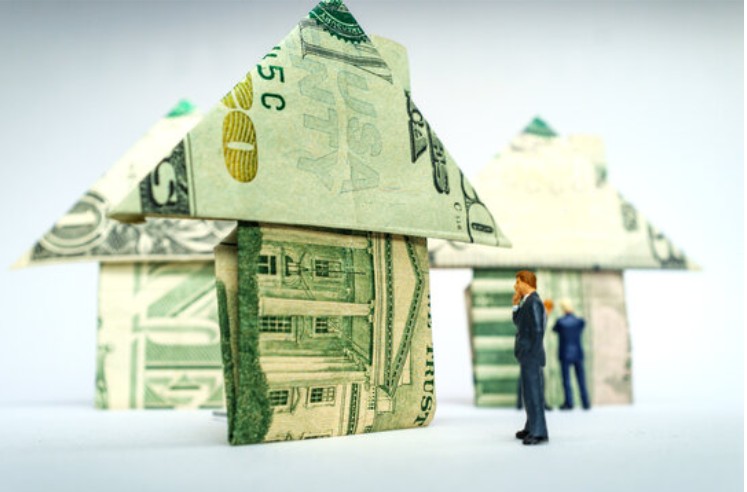
Buying a home is one of the biggest financial decisions you’ll ever make. While most people focus on the down payment and monthly mortgage, the true cost of homeownership goes much deeper. If you’re not prepared, these hidden costs can catch you off guard and stretch your budget thin.
In this article, we’ll break down the most common hidden costs of buying a home and show you how to budget smartly for a smooth homeownership journey.
What Are the Hidden Costs of Buying a Home?
When you buy a house, you’re not just paying for the price listed on the for-sale sign. There are several additional expenses that come with the purchase. Let’s explore them one by one.
1. Closing Costs
Closing costs are fees paid when finalizing a real estate transaction. These typically range from 2% to 5% of the home’s purchase price.
What’s included:
- Loan origination fees
- Title search and title insurance
- Appraisal and home inspection
- Attorney or escrow fees
- Prepaid taxes and insurance
💡 Tip: Request a Loan Estimate from your lender to understand the exact breakdown. Some fees can be negotiated or covered by the seller.
2. Property Taxes
Every homeowner must pay annual property taxes, which are based on your home’s assessed value and local tax rates.
Average cost: 0.3% to 2.5% of your home’s value annually.
💡 Tip: Use your county assessor’s website or ask your real estate agent for an accurate estimate before buying.
3. Homeowners Insurance
This insurance protects your property from fire, theft, and other hazards. It’s also required by most mortgage lenders.
Average cost: $800 to $2,000+ per year.
💡 Tip: Shop around for the best rates and consider bundling with auto insurance to save money.
4. Private Mortgage Insurance (PMI)
If your down payment is less than 20%, you’ll likely need to pay PMI. It protects the lender—not you—if you default.
Typical cost: 0.5% to 1.5% of the loan amount per year.
💡 Tip: Try to save a 20% down payment or ask about lender-paid PMI options.
5. Ongoing Maintenance and Repairs
Your home will need regular maintenance—and occasional repairs.
Rule of thumb: Budget 1% to 3% of your home’s value annually.
💡 Tip: Start a home maintenance fund to cover repairs like roof fixes, plumbing issues, or HVAC servicing.
6. Utilities and HOA Fees
You’ll be responsible for all utility bills—water, electricity, gas, trash, internet—and possibly Homeowners Association (HOA) fees.
HOA fees: Can range from $100 to $600+ per month, depending on location and amenities.
💡 Tip: Ask the seller for past utility bills and HOA statements to estimate monthly costs accurately.
7. Furnishings and Appliances
Don’t forget the cost of furnishing your new home and buying essential appliances (if not included).
Average cost: A few hundred to several thousand dollars.
💡 Tip: Prioritize essential items and upgrade slowly to avoid overspending.
How to Budget for the Hidden Costs of Buying a Home
Planning ahead can help you avoid financial surprises. Here’s how to prepare for these hidden expenses.
✅ 1. Set a Realistic Homebuying Budget
Include not just the purchase price, but also:
- Down payment
- Closing costs
- Moving costs
- First-year maintenance
- Furniture/appliances
✅ 2. Build an Emergency Fund
Have at least 3–6 months of living expenses set aside to cover unexpected repairs, income loss, or emergencies.
✅ 3. Use a Home Affordability Calculator
These tools estimate your true monthly cost, including taxes, insurance, and PMI.
✅ 4. Don’t Max Out Your Pre-Approval Limit
Just because you’re approved for a $500,000 loan doesn’t mean you should spend that much. Leave room in your budget for the hidden costs above.
Final Thoughts
Buying a home involves more than just a mortgage. From closing fees to long-term maintenance, hidden homeownership costs can add up fast. But with smart planning and a clear budget, you can avoid surprises and enjoy your new home stress-free.
by Katherine Soditus | Jun 23, 2025 | Residential | Active

$629,900
Active
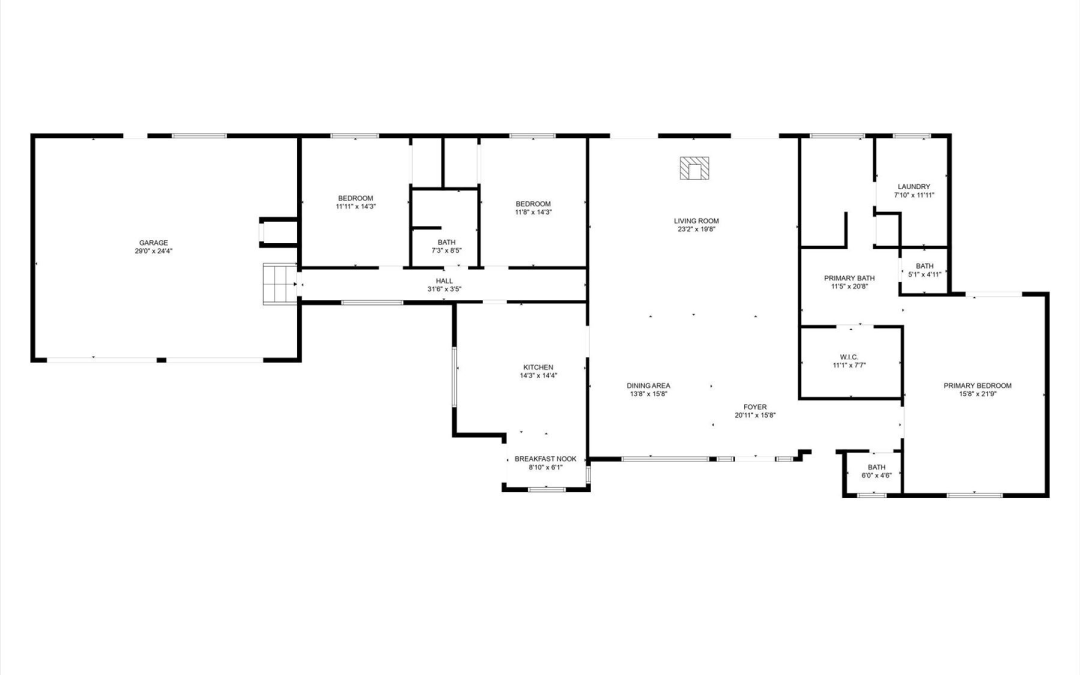
Timeless Southern Oregon Beauty on Usable Acreage – Quality, Comfort & Charm! Quality-built and nestled on a peaceful parcel in Southern Oregon, this 3bd, 2.5ba home blends timeless construction with classic upgrades. Vaulted ceilings, large windows, and warm wood finishes create a welcoming interior, anchored by a cozy woodstove set on brick. Kitchen features solid wood cabinets, tile counters, and a sunny breakfast nook. Spacious primary suite wing w/dual vanities, soaking tub, walk-in closet. Enjoy room to garden, raise animals, or savor the quiet beauty of rural life. Plenty of space for a shop, RV, or boat—no HOA, no hassle. Imagine morning coffee on the porch, evenings under star-filled skies, and the freedom to live how YOU choose. Oversized 800+sf 3car garage, tile roof, 2+acre well-maintained country-luxury estate minutes from Griffin Park & Rogue River – bring your boat! (and room to park it, too.) Schedule your tour today and make this countryside retreat your next chapter!

by Katherine Soditus | Jun 19, 2025 | Residential | Closed

$169,900
Closed
WOW Factor! Almost an acre in Shady Cove with a cozy 3bd/2ba home. Open floor plan, dining area, great storage, roomy bedrooms with privacy floor plan – and country views! Carport with room for RV, meter at pole. Adorable garden enclaves – roses, Lemon Balm, Daffodils, garden paths, oversized deck – it’s adorable! Shared well; walking distance to downtown area and Rogue River. (Not currently in auction.) This property may be placed in an upcoming event. All bids should be submitted at xomeDOTcom/auctions (void where prohibited). Please submit any pre-auction offer received through the property details page on XomeDOTcom. Any post-auction offers will need to be submitted directly to the listing agent. All offers will be reviewed and responded to within 3 business days. All properties are subject to a 5% buyer’s premium pursuant to the Auction Participation Agreement and Terms & Conditions (minimums will apply). Please contact listing agent for details and what is paid on this property.

by Katherine Soditus | Jun 18, 2025 | City Living, Urban Vibes
In recent years, cities across the globe have witnessed a growing trend that is reshaping skylines and transforming communities — the rise of mixed-use developments. From bustling urban centers to revitalized suburban neighborhoods, these dynamic spaces combine residential, commercial, and recreational uses all in one place.
But what’s behind this major shift in urban planning and real estate development? Let’s explore the key drivers fueling the popularity of mixed-use developments — and why they may be the future of modern living.
What Are Mixed-Use Developments?
Mixed-use developments are real estate projects that blend multiple functions — such as housing, offices, retail, restaurants, and entertainment — within a single area or building. Think of a complex where you can live, work, shop, and dine — all without getting in your car.
This concept isn’t new, but today’s version is smarter, more integrated, and designed with sustainability and lifestyle in mind.
Why Are Mixed-Use Developments on the Rise?
1. Urbanization and Population Growth
With more people moving into cities, there’s a growing need for efficient land use. Mixed-use developments allow for higher density living while maintaining quality of life. They make it possible to live closer to where you work and play — cutting down on long commutes and urban sprawl.
2. Changing Lifestyle Preferences
Modern consumers value convenience, walkability, and experiences over traditional ownership or isolation. Millennials and Gen Z especially prefer neighborhoods where they can easily access coffee shops, gyms, coworking spaces, and nightlife — often within walking distance.
3. Environmental Sustainability
By reducing the need for cars and encouraging walkability, mixed-use communities can significantly lower carbon emissions. They also make better use of infrastructure and land, supporting more sustainable development patterns.
4. Economic Resilience
For developers and city planners, mixed-use projects can be more financially resilient. If one part of the development slows down — like retail — other parts like residential or office spaces can still generate revenue. This diversified income stream appeals to investors and reduces economic risk.
5. Revitalization of Underutilized Areas
Many cities are turning to mixed-use models to revitalize outdated shopping malls, industrial zones, or neglected downtowns. These projects bring new life to old areas and foster stronger, more vibrant communities.
Examples of Successful Mixed-Use Developments
- Hudson Yards (New York City): A multi-billion-dollar development with residences, office towers, a shopping mall, and public art installations.
- The Wharf (Washington, D.C.): A waterfront district that blends living spaces, marinas, restaurants, and music venues.
- King’s Cross (London): A major redevelopment of a former industrial site, now home to tech offices, upscale apartments, and cultural venues.
What This Means for the Future
As cities continue to evolve, the trend toward smart, connected, and flexible urban environments is expected to grow. Mixed-use developments offer a blueprint for creating communities that meet the needs of modern life — blending convenience, sustainability, and culture.
For developers, investors, and city planners, this shift signals an opportunity to build more inclusive and future-ready neighborhoods.
Final Thoughts
Mixed-use developments are more than a real estate trend — they represent a change in how we live, work, and interact with our environment. With the right design and planning, these spaces can create stronger communities, reduce environmental impact, and deliver lasting economic value.
As urban living continues to evolve, mixed-use developments will likely play a key role in shaping the cities of tomorrow.