by Katherine Soditus | Feb 18, 2026 | Uncategorized
Interest rates play a powerful role in the real estate market. Whether you are buying, selling, or investing in property, changes in interest rates can directly influence affordability, demand, and overall property prices. Understanding this relationship can help you make better financial decisions in any market cycle.
Interest rates primarily affect property prices through mortgage costs. When interest rates are low, borrowing money becomes more affordable. Lower monthly mortgage payments allow more buyers to qualify for loans, which increases demand for homes. As demand rises, property prices often increase due to greater competition among buyers.
On the other hand, when interest rates rise, borrowing becomes more expensive. Higher mortgage payments reduce the number of people who can afford to buy homes. As demand slows, sellers may need to lower prices or offer incentives to attract buyers. This often leads to slower price growth or, in some cases, price declines.
Affordability is one of the biggest factors influenced by interest rates. Even a small increase in rates can significantly raise monthly payments. For example, a one percent increase in interest rates can add hundreds of dollars to a monthly mortgage payment depending on the loan size. This reduces purchasing power and may push buyers to consider smaller homes or more affordable locations.
Investor activity is also closely tied to interest rates. When rates are low, real estate becomes more attractive because financing costs are lower and rental yields may appear more favorable compared to other investments. When rates rise, investors may become cautious, especially if rental income does not cover higher loan payments.
Interest rates also influence property supply. Developers rely on financing for new construction projects. Higher borrowing costs can reduce new developments, limiting housing supply. In some cases, reduced supply can support property prices even if demand slows.
However, interest rates are not the only factor affecting property prices. Economic growth, employment levels, population trends, and local market conditions also play important roles. In a strong economy with rising incomes, property prices may continue to grow even if interest rates increase moderately.
For buyers, rising interest rates may create opportunities. As competition decreases, sellers may be more willing to negotiate on price or terms. For sellers, understanding the rate environment can help determine the best timing and pricing strategy.
by Katherine Soditus | Dec 11, 2025 | Uncategorized
As we look ahead to 2026, the U.S. real estate market is poised for significant changes influenced by economic trends, demographic shifts, and evolving consumer preferences. Understanding these predictions can help potential buyers, sellers, and investors prepare for the future. This blog provides a comprehensive analysis of real estate market predictions across six distinct areas of the United States: the Sun Belt, Rust Belt, West Coast, Northeast, Mountain States, and Southeast.
1. Sun Belt
Current Trends
The Sun Belt region, encompassing states like Florida, Texas, Arizona, Georgia, and North Carolina, has experienced explosive growth in recent years. Factors such as a favorable climate, job opportunities, and relatively lower living costs have attracted many new residents.
2026 Predictions
– Continued Population Growth: The Sun Belt is expected to see sustained population increases as remote work continues to allow flexibility in living arrangements.
– Rising Home Prices: Home prices are projected to rise, but at a more moderate pace than in previous years as more inventory becomes available. Developers are likely to respond to demand by increasing housing supply, especially in urban and suburban areas.
2. Rust Belt
Current Trends
The Rust Belt, which includes cities like Detroit, Cleveland, Pittsburgh, Milwaukee, and Buffalo, has been undergoing a transformation as older industrial economies shift towards technology and service-oriented industries.
2026 Predictions
– Revitalization Efforts: Ongoing revitalization projects and urban renewal initiatives are expected to enhance property values in key areas.
– Affordable Housing Options: The Rust Belt will likely remain an attractive market for first-time buyers due to relatively affordable housing prices compared to the national average.
3. West Coast
Current Trends
The West Coast, particularly California, Oregon, and Washington, has long been a coveted real estate market, characterized by high demand and limited supply. However, the region is also facing challenges such as affordability and housing shortages.
2026 Predictions
– Market Correction: After years of rapid price increases, analysts predict a market correction, leading to more balanced conditions. This could open opportunities for buyers who have previously been priced out.
– Increased Focus on Sustainability: As climate change concerns grow, expect a push for green building practices and sustainable community developments.
4. Northeast
Current Trends
The Northeast, including states like New York, Massachusetts, New Jersey, Pennsylvania, and Connecticut, has seen a mixed bag of real estate trends. Urban areas are recovering from pandemic-related slowdowns, while suburban markets have gained popularity.
2026 Predictions
– Urban Resurgence: Cities are projected to regain their appeal as remote work lessens, with an influx of young professionals and families seeking urban amenities.
– Diverse Market Dynamics: We can expect more variation across the Northeast, with some areas experiencing price increases while others stabilize or decline.
5. Mountain States
Current Trends
The Mountain States, encompassing regions like Colorado, Utah, Idaho, Wyoming, and Montana, have gained popularity for their outdoor lifestyle and thriving economies. The area has seen a surge in demand for both primary and vacation homes.
2026 Predictions
– Continued Demand: The demand for homes in these picturesque regions is expected to remain strong, with many buyers seeking second homes or relocating for a better quality of life.
– Price Growth Moderation: While prices are likely to continue to rise, the pace may slow as more housing developments are initiated to meet demand.
6. Southeast
Current Trends
The Southeast, including states like Georgia, Florida, North Carolina, Tennessee, and Alabama, has been attracting buyers with its warm climate, affordable living, and vibrant job markets.
2026 Predictions
– Moderate Price Increases: Home prices in this region are expected to rise steadily, driven by ongoing population growth and economic development.
– Investment Opportunities: Investors may find attractive opportunities in emerging markets within the Southeast, particularly in suburban and rural areas that are experiencing growth.
Conclusion
As we approach 2026, the U.S. real estate landscape is set to evolve significantly across various regions. While the Sun Belt and Mountain States are likely to maintain their appeal due to population growth and lifestyle choices, the Rust Belt shows signs of revitalization that could attract new buyers. The West Coast may see a correction, while the Northeast could experience a resurgence in urban living.
Understanding these regional dynamics is crucial for anyone looking to navigate the real estate market effectively. Whether you are a first-time buyer, a seasoned investor, or considering selling your property, staying informed about these trends can help you make strategic decisions.
If you have any questions about the real estate market in your area or need personalized advice, feel free to reach out. I’m here to help you navigate your real estate journey!
by Katherine Soditus | Dec 11, 2025 | Uncategorized
This dish combines seasonal flavors of tart cranberries and bright citrus with tender roasted chicken, making it perfect for a cozy holiday dinner.
Ingredients (Serves 4)
-
4 bone-in, skin-on chicken thighs
-
1 cup fresh cranberries
-
½ cup orange juice (freshly squeezed)
-
Zest of 1 orange
-
3 tbsp honey or maple syrup
-
2 tbsp olive oil
-
2 cloves garlic, minced
-
1 tsp fresh rosemary, chopped
-
Salt and pepper to taste
-
2 cups baby carrots
-
2 cups Brussels sprouts, halved
-
1 small red onion, sliced
Instructions
-
Preheat Oven
Set your oven to 400°F (200°C).
-
Prepare Glaze
In a small saucepan, combine cranberries, orange juice, orange zest, honey, garlic, and rosemary. Simmer over medium heat for 8–10 minutes until cranberries burst and sauce thickens slightly. Remove from heat.
-
Season Chicken
Pat chicken thighs dry. Rub with olive oil, salt, and pepper.
-
Arrange Vegetables
On a large baking sheet, spread carrots, Brussels sprouts, and onion. Drizzle with olive oil, season with salt and pepper, and toss to coat.
-
Bake Chicken & Veggies
Place chicken thighs on the same sheet (skin side up). Roast for 30–35 minutes, until chicken reaches an internal temperature of 165°F (74°C) and vegetables are tender.
-
Glaze & Finish
Brush cranberry-orange glaze over chicken during the last 10 minutes of roasting for a glossy, flavorful finish.
-
Serve
Plate chicken with roasted vegetables. Spoon extra glaze on top for added flavor.
Why It Works for December
-
Seasonal ingredients like cranberries and citrus add festive color and taste.
-
One-pan roasting makes cleanup easy.
-
Pairs beautifully with mashed potatoes or wild rice for a complete holiday meal.
by Katherine Soditus | Jul 28, 2025 | Uncategorized
U.S. Foreclosure Rates Rise in 2025 Amid Economic Pressures: A Regional Breakdown
As the U.S. housing market navigates a landscape marked by rising interest rates, persistent affordability challenges, and economic uncertainty, a subtle yet significant trend is emerging: foreclosure activity is increasing. While still far below the levels seen during the Great Recession, 2025 has witnessed a notable uptick in foreclosure filings, with certain states and metropolitan areas bearing the brunt of this shift.
National Foreclosure Trends in 2025
Data from ATTOM, a leading property data analytics firm, reveals that approximately 94,000 properties received foreclosure filings in the first quarter of 2025 — equating to roughly 1 in every 1,515 housing units. This trend intensified in the first half of the year, with nearly 140,000 foreclosure starts, marking a 7% rise compared to the first half of 2024 and a 41% increase over the first half of 2020.
Despite this rise, the overall national foreclosure rate remains historically low at just 0.13% of all housing units — or about 1 in every 758 homes. This data highlights that while foreclosures are increasing, the market is not approaching crisis levels seen during the Great Recession or the onset of the COVID-19 pandemic.
Regional Foreclosure Hotspots
The U.S. foreclosure landscape in 2025 is uneven, with some regions experiencing elevated housing distress while others remain relatively stable. States in the Midwest and Southeast have emerged as hotspots:
|
Rank
|
State
|
Foreclosure Rate
|
|
1
|
Delaware
|
~1 in every 761 homes
|
|
2
|
Illinois
|
~1 in every 857 homes
|
|
3
|
Nevada
|
~1 in every 874 homes
|
|
4
|
Indiana
|
Above national average
|
|
5
|
South Carolina
|
Above national average
|
Conversely, states such as Vermont, Montana, Wyoming, and South Dakota report some of the nation’s lowest foreclosure rates, reflecting more resilient housing markets.
Metro Areas Under Pressure
Certain metropolitan areas are facing heightened foreclosure activity, especially in states like California, Florida, and South Carolina. Top metro areas by foreclosure rate in Q1 2025 include:
-
Columbia, SC – 1 in every 683 homes
-
Lakeland, FL – 1 in every 694 homes
-
Bakersfield, CA – 1 in every 718 homes
-
Riverside, CA – 1 in every 721 homes
-
Chico, CA – 1 in every 724 homes
In terms of sheer volume, cities with the most foreclosure starts include:
-
Chicago, IL – 3,789 starts
-
New York, NY – 3,566 starts
-
Houston, TX – 3,046 starts
-
Miami, FL – 2,028 starts
-
Philadelphia, PA – 1,985 starts
While these figures do not indicate mass housing collapse, they serve as early indicators of localized economic strain, job market challenges, and affordability pressures.
What’s Driving the Increase?
Several factors are behind the gradual rise in foreclosure activity:
-
Interest Rate Shock: Homeowners with adjustable-rate mortgages (ARMs) or short-term refinances from low-rate periods are facing sharply increased monthly payments.
-
Inflation and Consumer Debt: Rising everyday costs and record-high credit card debt are squeezing household budgets.
-
Economic Uncertainty: Regional job losses and stagnant wages have left some homeowners vulnerable.
-
End of Pandemic Protections: The expiration of COVID-era forbearance programs and eviction moratoriums has exposed at-risk borrowers.
However, a key buffer remains: many homeowners still hold significant equity in their homes, often enabling them to sell or refinance before foreclosure becomes necessary.
The Silver Lining
Despite the increase in foreclosure filings, the overall housing market remains stable:
-
The market is not facing a 2008-style collapse.
-
Significant homeowner equity provides flexibility for alternatives like short sales or refinancing.
-
Lending standards remain relatively tight, limiting the pool of at-risk borrowers.
Why This Foreclosure Map Matters
The foreclosure map is an invaluable resource for a range of stakeholders:
-
Investors seeking distressed market opportunities.
-
Homeowners aiming to understand local risks.
-
Policymakers and researchers monitoring early signs of housing instability.
This map also underscores the local nature of real estate trends, reminding us that national headlines often mask the nuanced realities playing out across specific cities and neighborhoods.
Final Thoughts
Foreclosure activity in the U.S. is rising but remains manageable. The 2025 foreclosure map offers a clear view into the regional dynamics shaping today’s housing market. For most homeowners, foreclosure risk is low, but for some metro areas and vulnerable borrowers, caution and vigilance are warranted.
Whether you’re buying, selling, or investing, keeping an eye on both national trends and local data will be critical for making informed real estate decisions in 2025 and beyond.
by Katherine Soditus | Jun 30, 2025 | Uncategorized
Buying your first home is exciting — the idea of walking through potential spaces, picturing where your couch might go, and dreaming about your new lifestyle is what makes it real. But before you start falling in love with charming kitchens or dreamy backyards, there’s some important groundwork to lay. Touring homes without preparation can lead to wasted time, unrealistic expectations, or even missed opportunities.
Here are five essential things every first-time buyer should do before setting foot inside that first listing:
1. Get Pre-Approved for a Mortgage
If you do nothing else before touring homes — do this. Getting pre-approved tells you exactly how much home you can afford and shows sellers you’re serious. It’s not just about knowing your budget; it’s also your first step in building a relationship with a lender, locking in an interest rate range, and speeding up the offer process when the right home comes along.
Think of it like going shopping with a gift card versus just guessing your limit. A strong pre-approval makes your search smarter and more strategic from day one.
2. Make a Realistic List of Needs vs. Wants
It’s easy to get distracted by shiny countertops or dreamy light fixtures, but focusing on the right features is key. Take time to create a list of “must-haves” (non-negotiables like number of bedrooms, parking, or commute time) versus “nice-to-haves” (like a fireplace or walk-in closet). This will keep you grounded during showings and help you compare homes objectively.
Bonus tip: Share this list with your agent so they can tailor your search accordingly.
3. Understand the Full Cost of Homeownership
Your monthly mortgage payment is just one piece of the puzzle. Before touring homes, take a few minutes to understand the bigger financial picture — including property taxes, homeowner’s insurance, HOA fees (if applicable), and maintenance costs. Some homes might look affordable upfront but can add up quickly once you factor in the extras.
Your lender and agent can help break these numbers down so you’re not blindsided later.
4. Research Neighborhoods Like a Local
You’re not just buying a home — you’re buying into a neighborhood. Take time to explore different areas online (or in person if possible). Look at things like walkability, school ratings, public transportation, local businesses, and future development plans. A home you love on paper might not feel right once you drive through during rush hour.
This step helps you narrow your search before you spend hours touring homes that don’t align with your lifestyle.
5. Find the Right Real Estate Agent
Touring homes with the right agent by your side is a game changer — especially as a first-time buyer. You want someone who understands your needs, explains the process clearly, and isn’t just trying to make a quick sale. Look for an agent who’s experienced with first-time buyers and willing to walk you through the process from pre-approval to closing day.
A good agent will save you time, money, and stress — and probably make the journey a lot more enjoyable.
Ready to Tour the Right Way?
Touring homes is exciting — but it’s even better when you’re prepared. Doing these five things first ensures that you’re confident, informed, and ready to take action when you find “the one.” Whether you’re just getting started or ready to hit the pavement, I’m here to help guide you every step of the way.
Curious about how to start your search? Let’s talk — no pressure, just answers.

by Katherine Soditus | Mar 15, 2025 | First Time Home Buyers, For Buyers
Purchasing your first home is an exciting milestone, but it can also feel overwhelming. It’s completely normal to feel nervous during this process. After all, buying a home is a huge financial commitment. Whether you’re excited about owning your dream home or feeling a bit uncertain, remember that feeling nervous is a natural part of the journey. Here’s why it’s okay to feel nervous and how to approach homebuying with confidence.
Why It’s Normal to Feel Nervous About Buying Your First Home
Buying a home is one of the biggest financial decisions you’ll ever make. It comes with a lot of responsibilities and unknowns, which can cause anxiety. Here’s why it’s perfectly normal to feel nervous:
1. It’s a Major Financial Investment
A home is often the largest financial purchase you’ll ever make. A mortgage typically lasts 15 to 30 years, and there are many other expenses like property taxes, insurance, and maintenance. It’s natural to feel some fear about taking on such a big responsibility.
2. The Process Can Be Complicated
The home-buying process involves multiple steps, such as securing financing, finding the right property, negotiating offers, and completing paperwork. If you’ve never done it before, it’s easy to feel overwhelmed by all the details.
3. Fear of Making the Wrong Decision
With so many factors to consider, it’s common to worry about making the wrong choice. You may be concerned about picking the wrong property, location, or even overpaying for a home. This fear of regret is one of the main sources of stress for first-time buyers.
How to Overcome Nervousness and Buy with Confidence
While it’s completely normal to feel nervous, you don’t have to let it stop you. Here are some tips to help you approach buying your first home with confidence:
1. Do Your Research
Knowledge is key. Before you start shopping for a home, educate yourself about the home-buying process, mortgage options, and what’s currently happening in the real estate market. The more informed you are, the more confident you’ll feel during the process.
2. Work with a Trusted Real Estate Agent
A real estate agent can be an invaluable resource. They’ll help guide you through the process, provide market insights, and assist with negotiations. Their experience will make the home-buying process smoother, and they’ll help you avoid common pitfalls.
3. Get Pre-Approved for a Mortgage
Getting pre-approved for a mortgage allows you to understand your budget and shows sellers that you’re a serious buyer. Having pre-approval in hand will make the whole process less stressful and help you focus your search on homes that are within your price range.
4. Think About the Long-Term
While it’s easy to focus on your current needs, think about how the home will fit into your life over the next 5, 10, or even 20 years. Consider factors like potential for future growth, resale value, and what kind of community you want to live in long term. This broader view can help ease your nerves.
5. Take Your Time
Don’t rush into a decision. Buying a home is a big commitment, and it’s important to feel confident with your choice. If something doesn’t feel right, trust your instincts and keep looking. There’s no need to settle on a house that doesn’t meet your needs.
6. Ask for Help When You Need It
Buying your first home doesn’t mean you have to do it alone. It’s okay to ask questions and seek advice from people you trust, whether that’s family, friends, or professionals like real estate agents and mortgage brokers. Having a support system in place can help reduce stress.
Embrace Your Nervousness—But Don’t Let It Stop You
Feeling nervous about buying your first home is completely normal, and it’s a sign that you’re taking the process seriously. The key is to not let those nerves hold you back. Take your time, educate yourself, and surround yourself with trusted professionals who can guide you through the process. With a little preparation and confidence, you’ll be well on your way to becoming a proud homeowner.
Buying your first home is an exciting journey, and while there may be a few bumps along the way, it’s one that will lead to lasting satisfaction and a place to call your own.
by Katherine Soditus | Mar 12, 2025 | OPEN HOUSE | Residential | Active
 OPEN HOUSE: Tue, Mar 18, 2025 08:00 PM – 11:00 PM
$169,000
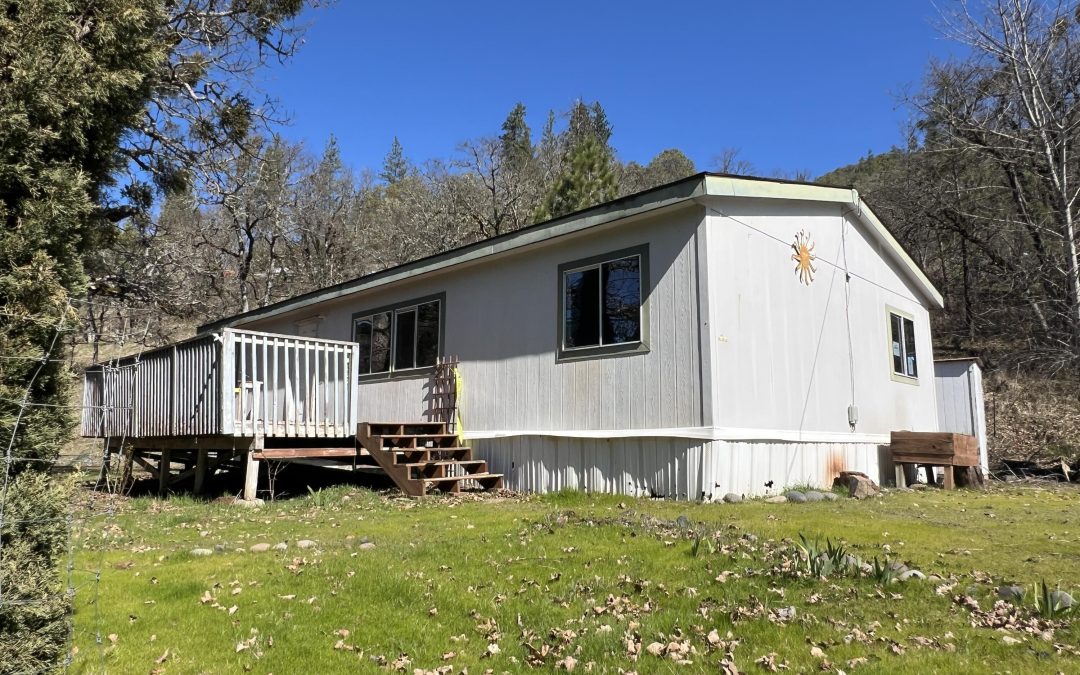
WOW Factor! Almost an acre in Shady Cove with a cozy 3bd/2ba home. Open floor plan, dining area, great storage, roomy bedrooms with privacy floor plan – and country views! Carport with room for RV, meter at pole. Adorable garden enclaves – roses, Lemon Balm, Daffodils, garden paths, oversized deck – it’s adorable! Shared well; walking distance to downtown area and Rogue River. This property has been placed in an upcoming event. All bids should be submitted at xomeDOTcom/auctions (void where prohibited). Please submit any pre-auction offer received through the property details page on XomeDOTcom. Any post-auction offers will need to be submitted directly to the listing agent. All offers will be reviewed and responded to within 3 business days. All properties are subject to a 5% buyer’s premium pursuant to the Auction Participation Agreement and Terms & Conditions (minimums will apply). Please contact listing agent for details and what is paid on this property.
by Katherine Soditus | Mar 12, 2025 | OPEN HOUSE | Residential | Active
OPEN HOUSE: Sat, Mar 15, 2025 07:00 PM – 10:00 PM
$169,000
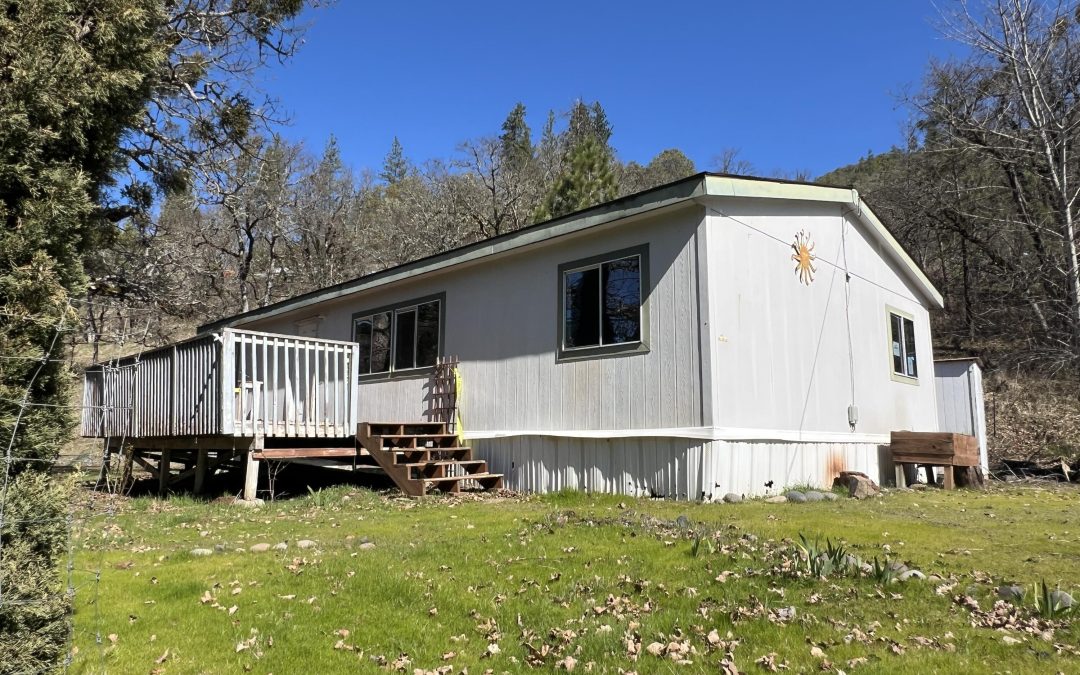
WOW Factor! Almost an acre in Shady Cove with a cozy 3bd/2ba home. Open floor plan, dining area, great storage, roomy bedrooms with privacy floor plan – and country views! Carport with room for RV, meter at pole. Adorable garden enclaves – roses, Lemon Balm, Daffodils, garden paths, oversized deck – it’s adorable! Shared well; walking distance to downtown area and Rogue River. This property has been placed in an upcoming event. All bids should be submitted at xomeDOTcom/auctions (void where prohibited). Please submit any pre-auction offer received through the property details page on XomeDOTcom. Any post-auction offers will need to be submitted directly to the listing agent. All offers will be reviewed and responded to within 3 business days. All properties are subject to a 5% buyer’s premium pursuant to the Auction Participation Agreement and Terms & Conditions (minimums will apply). Please contact listing agent for details and what is paid on this property.
by Katherine Soditus | Mar 10, 2025 | Mortgage Rates
Are you wondering whether now is the right time to buy a home? With real estate experts predicting rising home prices, it’s natural to feel pressure to act quickly. However, buying a home is a significant financial decision, and it’s essential to consider several factors before making a move. This article will guide you through the key things to think about when deciding whether to purchase a home in today’s market.
1. The Impact of Rising Interest Rates on Home Affordability
Interest rates have a major impact on how affordable homes are. In recent years, interest rates were low, which made mortgages more affordable. But with inflation on the rise, central banks have started increasing interest rates, meaning mortgage rates are going up too.
Higher mortgage rates mean higher monthly payments. Even if home prices are still increasing, rising interest rates could make buying a home more expensive. However, if you’re able to lock in a mortgage rate before they rise further, it could be a good time to buy before rates go even higher.
2. Home Prices Are Likely to Keep Rising
Real estate experts predict that home prices will continue to rise in many parts of the country due to high demand and low inventory. The housing market may be experiencing high prices now, but waiting could mean paying even more later.
However, it’s important to remember that buying at a higher price may not always be the best financial decision if the price doesn’t match the home’s value. Carefully evaluate whether homes are overpriced in your area, and make sure the long-term value of the property justifies the price.
3. Understanding Local Market Conditions
While national trends offer insight into the overall housing market, real estate markets can vary significantly from one location to another. In some cities, prices may be soaring, while other regions may be seeing a slowdown.
To make an informed decision, you need to focus on the housing market in your specific area. Consider local factors such as job growth, population trends, and the potential for future development. Areas experiencing strong economic growth are more likely to see home prices continue rising, while oversupplied markets may stabilize or even see price drops.
4. Assess Your Personal Financial Situation
Before jumping into the homebuying process, evaluate your financial health. Do you have a steady income, a good credit score, and sufficient savings for a down payment? Most lenders require a down payment of 20%, plus closing costs, home inspections, and other expenses.
In addition to the upfront costs, homeownership comes with ongoing expenses such as property taxes, insurance, utilities, and maintenance. Be sure that you can comfortably afford all of these costs in addition to your monthly mortgage payment.
5. The Importance of Long-Term Investment
If you plan to stay in your new home for many years, fluctuations in the market may matter less. Over time, real estate tends to appreciate, and owning a home allows you to build equity. If you’re in it for the long haul, the short-term price increases may be worth it.
However, if you’re considering moving in a few years, you might want to be cautious. Fluctuations in the housing market could impact your ability to sell your home at a profit. If you’re uncertain about your long-term plans, renting might provide more flexibility.
6. Renting as an Alternative
If buying a home doesn’t feel right for you right now, renting is a viable alternative. Renting offers flexibility, especially if you’re unsure about your future or if the market is too competitive. It also gives you time to save for a larger down payment or wait for market conditions to stabilize.
Renting could also be a good option if you’re not ready to commit to homeownership but still want to live in a specific area.
7. The Challenge of Timing the Market
Trying to time the real estate market can be tricky, and even experts can’t always predict what will happen next. The best approach is to focus on your own needs and circumstances. Ask yourself: Do I need a home now? If the answer is yes, then it might be the right time for you to buy, even if prices are rising.
If you’re not in a rush to buy, however, it may be worth waiting for market conditions to change.
Conclusion: Is Now the Right Time to Buy a Home?
Ultimately, the decision to buy a home should be based on your personal situation, not just market trends. While experts predict that home prices will continue to rise, buying a home is a long-term investment that requires careful thought and consideration.
If you are financially ready and plan to stay in your home for years to come, buying now could be a good choice. But if you’re uncertain or if your financial situation isn’t ideal, waiting might be the better option.
In any case, the key to making the right decision is to evaluate your financial stability, the local market conditions, and your long-term goals. Don’t feel pressured to buy just because experts predict rising prices—make sure you’re ready for the responsibility of homeownership.
If you’re ready to start the homebuying process, make sure to consult with a real estate agent to get a better understanding of the local market and find the best home for your needs.
by Katherine Soditus | Mar 9, 2025 | Residential | Active
$169,000
Active
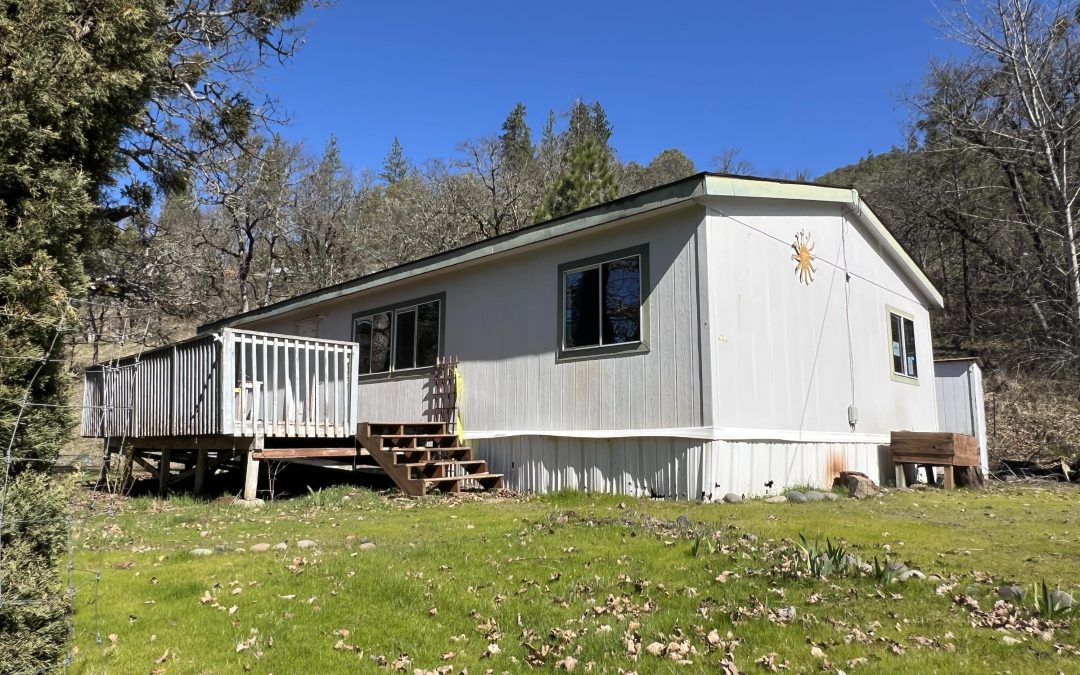
WOW Factor! Almost an acre in Shady Cove with a cozy 3bd/2ba home. Open floor plan, dining area, great storage, roomy bedrooms with privacy floor plan – and country views! Carport with room for RV, meter at pole. Adorable garden enclaves – roses, Lemon Balm, Daffodils, garden paths, oversized deck – it’s adorable! Shared well; walking distance to downtown area and Rogue River. This property has been placed in an upcoming event. All bids should be submitted at XomeDOTcom, void where prohibited. Please submit any pre-auction offer received through the property details page on XomeDOTcom. Any post-auction offers to be submitted directly to the listing agent; response within 3 business days. All properties are subject to a 5% buyer’s premium, pursuant to the Auction Participation Agreement and Terms & Conditions minimums will apply. Please contact the listing agent for details on this property.