by Katherine Soditus | Feb 4, 2026 | Uncategorized
Digital transformation has become a defining priority for companies across the United States. As technology continues to reshape how businesses operate, organizations of all sizes are embracing digital tools to remain competitive, improve efficiency, and meet evolving customer expectations. Rather than focusing on a single solution, digital transformation in the U.S. is driven by a combination of innovation, strategy, and cultural change.
The Shift Toward Cloud-Based Operations
One of the most significant trends among U.S. companies is the move to cloud technology. Cloud-based platforms provide flexibility, scalability, and cost efficiency, allowing businesses to adapt quickly to changing market conditions. By enabling real-time collaboration and remote access to data, cloud solutions have become a foundation for modern business operations.
Growing Importance of Data and Analytics
Data has emerged as a critical asset in digital transformation efforts. Companies across the U.S. are investing in analytics tools to gain deeper insights into customer behavior, operational performance, and market trends. Data-driven decision-making helps organizations reduce uncertainty, identify opportunities, and improve overall business outcomes.
Automation Driving Efficiency
Automation is increasingly being used to streamline workflows and optimize internal processes. From administrative tasks to operational functions, digital automation reduces manual effort and improves accuracy. U.S. companies are leveraging automation not to replace human talent, but to enhance productivity and allow employees to focus on more strategic initiatives.
Enhancing Customer Experience Through Digital Tools
Customer expectations in the United States continue to rise. Businesses are responding by prioritizing digital experiences that are fast, personalized, and user-friendly. Websites, mobile platforms, and digital communication channels are being optimized to deliver consistent and engaging interactions, making customer experience a central component of digital transformation strategies.
Supporting Remote and Hybrid Work Models
The expansion of remote and hybrid work has accelerated digital adoption across U.S. organizations. Companies are implementing collaboration tools, digital workflows, and secure access systems to support flexible work environments. This shift has not only changed how teams operate but has also influenced company culture and talent acquisition.
Increased Focus on Cybersecurity
As businesses become more digital, cybersecurity has become a critical concern. U.S. companies are integrating security measures into their digital infrastructure to protect sensitive data and maintain trust. Proactive cybersecurity strategies are now seen as essential to long-term digital success.
Embracing Continuous Digital Innovation
Digital transformation is no longer viewed as a one-time initiative. Many U.S. companies are adopting a mindset of continuous innovation, regularly evaluating and upgrading their digital capabilities. This ongoing approach allows organizations to stay responsive to technological advancements and changing customer needs.
Conclusion
Digital transformation across U.S. companies is reshaping the business landscape. By embracing cloud technology, data analytics, automation, and customer-centric digital strategies, organizations are positioning themselves for sustainable growth. As digital innovation continues to evolve, companies that remain adaptable and forward-thinking will be best equipped to succeed in an increasingly competitive environment.
by Katherine Soditus | Dec 10, 2025 | Uncategorized
As the year comes to a close and people reflect on their biggest decisions, many recent homebuyers are feeling deeply grateful they chose to purchase a home. Even in a market filled with rising interest rates and strong competition, these homeowners are discovering benefits that far outweigh the challenges. Their gratitude comes from a mix of financial progress, emotional comfort, and long-term stability that renting simply cannot match.
A Sense of Stability in a Changing World
This year brought plenty of economic uncertainty, which is why so many homeowners appreciate the stability their purchase provides. Renting often includes yearly increases and a lack of control, which can make long-term planning difficult. Owning a home creates a predictable living environment and a consistent monthly payment. Homeowners feel more grounded and secure, and that sense of permanence becomes especially meaningful during uncertain times.
Equity Growth That Creates Long-Term Wealth
For many buyers, their home has already become a source of financial growth. As they make mortgage payments, they build equity. In many markets, home values have continued to rise, giving homeowners an added boost in wealth creation. Even modest appreciation provides a strong financial advantage and helps create a more secure future.
A Home That Truly Feels Like Theirs
One of the most rewarding parts of homeownership is the ability to create a space that reflects personal taste and lifestyle. Homeowners can paint rooms, upgrade fixtures, redecorate, garden, or make improvements that add comfort and value. This freedom brings a sense of pride and emotional connection that makes the house feel like a true home. Many buyers say that this personal satisfaction is one of the top reasons they are thankful for their purchase.
Protection From Rising Housing Costs
Renters across the country saw increases this year, but homeowners who bought a property locked in their monthly payments. Even those who purchased at higher interest rates gained protection from future rent hikes. If rates decline in the future, many will have the option to refinance and lower their costs. This control over housing expenses brings peace of mind and long-term financial stability.
A Stronger Connection to Community
Homeownership often leads to deeper roots in the community. People who buy tend to stay longer, get to know neighbors, participate in local events, and invest time in their surroundings. These connections create a sense of belonging that enriches everyday life. Many new homeowners cite this increased community engagement as one of their favorite parts of owning a home.
A Decision Worth Celebrating
Despite the challenges of today’s housing market, countless people who purchased a home this year are ending the year with gratitude. They gained stability, started building wealth, secured their housing costs, and found a place that feels truly their own. Those benefits continue to grow with time, making homeownership one of the most meaningful and rewarding choices they make.
by Katherine Soditus | Oct 28, 2025 | Uncategorized
If you’ve been browsing home listings lately, you’ve probably noticed a familiar feeling: everything seems so expensive. It’s not just your imagination — homes today cost more than ever before. But the reason goes deeper than sticker prices. Understanding why housing is so costly can help you make smarter buying or selling decisions.
:small_blue_diamond: What’s Driving the High Prices
1. Supply and Demand Are Out of Balance
One of the biggest factors is too few homes and too many buyers. Over the last decade, construction hasn’t kept up with population growth and changing household needs. Fewer homes on the market mean higher prices and more competition.
2. Higher Interest Rates
Even if home prices haven’t skyrocketed in your area, rising interest rates make monthly mortgage payments feel much steeper. That’s why many buyers feel like homes are “unaffordable,” even if the listing price hasn’t jumped dramatically.
3. Rising Construction Costs
Lumber, steel, labor, and land have all become more expensive. Builders pass these costs directly to buyers, so new homes come with higher price tags from the start.
4. Homeowners Staying Put
Many existing homeowners are sitting on low mortgage rates. Selling would mean taking on a higher-rate mortgage, so they stay put. That keeps inventory low and drives up competition for the homes that are available.
5. Local Regulations and Zoning
Zoning laws, building restrictions, and lengthy permitting processes limit how quickly new homes can be built, adding more pressure to an already tight market.
:small_blue_diamond: What This Means for You
For Buyers
-
Expect competition: Homes that are priced well often sell quickly.
-
Plan finances carefully: Look at total costs — mortgage, taxes, insurance, and maintenance — not just the listing price.
-
Consider new construction or alternative areas: Builders may offer incentives, and nearby neighborhoods could offer better value.
For Sellers
-
High demand is your advantage: If your home is well-maintained, staged, and priced correctly, you can sell faster and potentially for more than you expected.
-
Timing matters: Preparing your home now can maximize its value when the market is competitive.
:small_blue_diamond: Bottom Line
Homes are more expensive than ever due to a mix of limited supply, higher costs, and market dynamics. Understanding the forces behind these prices helps you make smarter decisions — whether buying your first home, upgrading, or selling.
The key takeaway? It’s not just the sticker price — it’s the system behind it. And the more you know, the better equipped you’ll be to navigate today’s housing market.
by Katherine Soditus | Oct 15, 2025 | Uncategorized
In today’s housing market, pricing your home correctly is more important than ever. While it’s tempting to aim high, especially after hearing stories of bidding wars and record-breaking sales, overpricing your home can backfire in costly ways. Whether you’re relocating, downsizing, or making a strategic move, unrealistic pricing can delay your plans or derail them altogether.
Here’s why getting real about your home’s value could be the difference between a smooth sale and a missed opportunity.
Buyers Are Informed and Cautious
Today’s buyers are more educated than ever. With access to online pricing tools, market reports, and endless property listings, they can spot an overpriced home from a mile away. If your listing doesn’t align with similar homes in your area, it may be ignored entirely, no matter how nice it looks.
Overpricing can result in fewer showings, longer days on market, and ultimately, price reductions that weaken your negotiating power.
The Market Has Shifted
It’s no secret that the housing market has cooled from its pandemic highs. Mortgage rates are higher, affordability is tighter, and buyers are more selective. While home values are still strong in many areas, price growth has normalized. What a neighbor’s home sold for in 2022 may no longer be realistic today.
Trying to “test the market” with a high price can end up costing you valuable time and money, especially if you need to move by a certain deadline.
Time on Market Sends a Message
The longer your home sits unsold, the more buyers wonder what’s wrong with it. Even if you later adjust the price, the listing may feel “stale.” This creates leverage for buyers to offer less, ask for more concessions, or move on altogether.
In contrast, homes that are well-priced from the start tend to sell faster and closer to the asking price sometimes even above it, if the market supports it.
You Could Miss Your Window to Move
If you’re selling in order to buy your next home, relocate, or settle into a new chapter of life, poor pricing can delay your plans. It can also cause you to miss out on the perfect next property while your current home lingers on the market.
In some cases, sellers end up having to carry two mortgages, adjust timelines, or make rushed decisions they later regret.
The Right Price Attracts the Right Buyers
Pricing your home accurately doesn’t mean pricing low; it means pricing smart. A home priced correctly based on current market conditions attracts more attention, more showings, and stronger offers. It creates momentum and competition, two powerful tools for sellers.
A well-priced home tells buyers you’re serious, realistic, and confident in the value you’re offering.
How to Avoid the Overpricing Trap
Here’s how to stay on track:
-
Work with a local real estate expert who understands your neighborhood and market trends
-
Get a comparative market analysis (CMA) to understand what similar homes are selling for
-
Focus on net proceeds, not just the sticker price. Pricing right can mean fewer carrying costs and a faster close
-
Be open to feedback from showings and adjust quickly if needed
Final Thought: Price It Right, Sell With Confidence
Selling a home is a big step, and your pricing strategy sets the tone for the entire process. While aiming high may seem like a way to maximize your return, it often leads to delays, stress, and missed opportunities.
By pricing realistically from the start, you can attract serious buyers, sell efficiently, and move forward with your plans on your timeline and with peace of mind.
by Katherine Soditus | Sep 1, 2025 | Uncategorized
The recent rise in new home inventory has caused quite a buzz—and plenty of misleading headlines. Many compare today’s situation to the 2008 housing crash, raising fears of oversupply and falling prices. But if you’re a first-time buyer, the reality is very different—and potentially good news.
1. More Choices for First-Time Buyers
Not long ago, bidding wars and lightning-fast sales made it tough for new buyers to compete. Now, with more new homes available, first-time buyers finally have a chance to explore options instead of rushing into the first property they see.
2. This Isn’t 2008
Unlike the housing crisis, today’s builders aren’t overproducing recklessly. In fact, the U.S. has faced a shortage of homes for years. Rising inventory simply means builders are starting to meet long-overdue demand—not that the market is collapsing.
3. Why Prices Aren’t Crashing
Even with more new homes, the existing-home inventory is still extremely tight. Many homeowners won’t sell because they’re locked into historically low mortgage rates. This keeps the overall supply limited, which means prices are holding steady in most areas. For first-time buyers, this creates opportunities to buy without the frenzy—but don’t expect “fire sale” prices.
4. Builder Incentives Can Help You Save
Many builders are offering perks like lower interest rate buy-downs, upgrades, or closing cost assistance. These incentives can make a big difference for buyers entering the market for the first time.
Bottom Line for First-Time Buyers
Rising inventory isn’t a reason to panic—it’s an opportunity. You may find more choices, less competition, and even some financial incentives to make your first home purchase smoother.
by Katherine Soditus | May 24, 2025 | Residential | Active

$649,500
Active
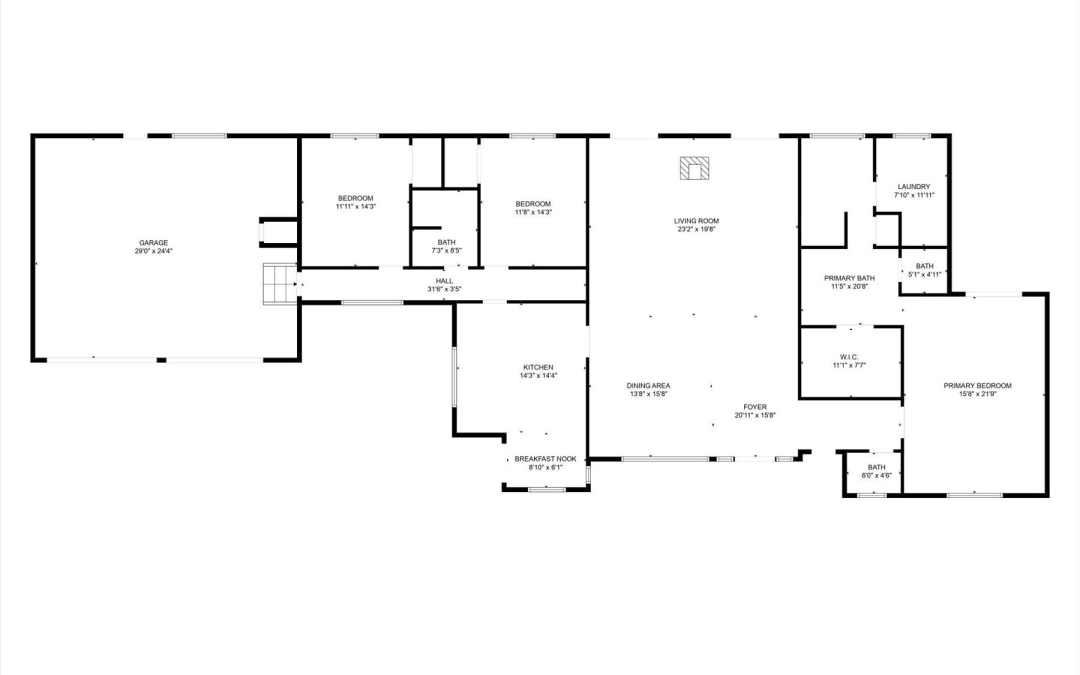
Timeless Southern Oregon Beauty on Usable Acreage – Quality, Comfort & Charm! Quality-built and nestled on a peaceful parcel in Southern Oregon, this 3bd, 2.5ba home blends timeless construction with classic upgrades. Vaulted ceilings, large windows, and warm wood finishes create a welcoming interior, anchored by a cozy woodstove set on brick. Kitchen features solid wood cabinets, tile counters, and a sunny breakfast nook. Spacious primary suite wing w/dual vanities, soaking tub, walk-in closet. Enjoy room to garden, raise animals, or savor the quiet beauty of rural life. Plenty of space for a shop, RV, or boat—no HOA, no hassle. Imagine morning coffee on the porch, evenings under star-filled skies, and the freedom to live how YOU choose. Oversized 800+sf 3car garage, tile roof, 2+acre well-maintained country-luxury estate minutes from Griffin Park & Rogue River – bring your boat! (and room to park it, too.) Schedule your tour today and make this countryside retreat your next chapter!
by Katherine Soditus | May 22, 2025 | Residential | Pending

$169,900
Pending
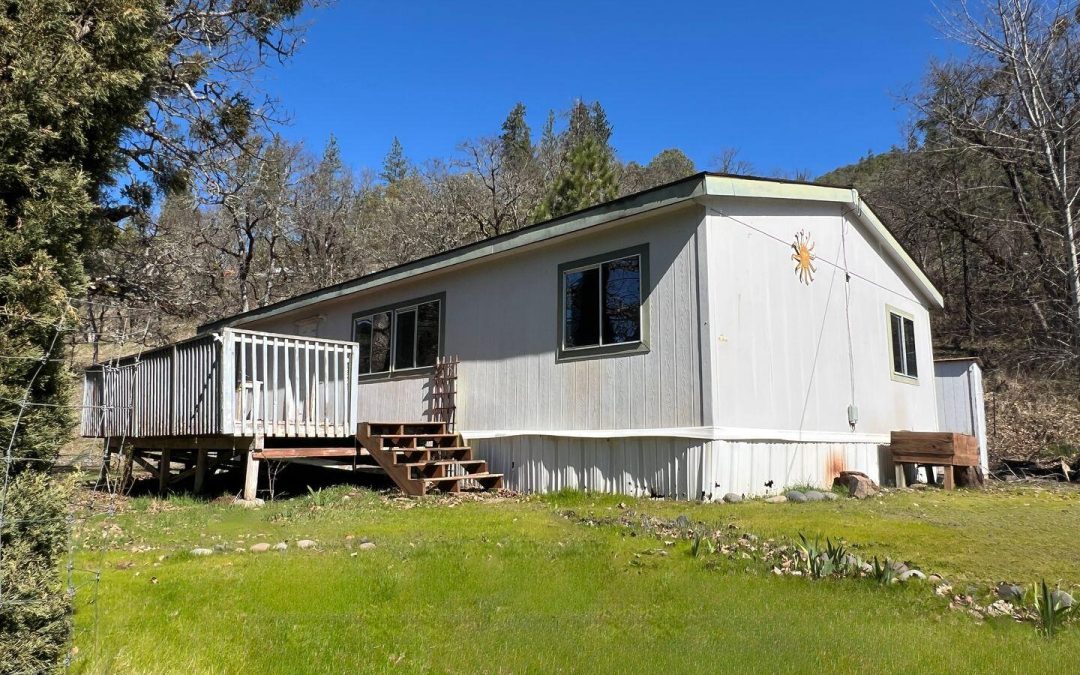
WOW Factor! Almost an acre in Shady Cove with a cozy 3bd/2ba home. Open floor plan, dining area, great storage, roomy bedrooms with privacy floor plan – and country views! Carport with room for RV, meter at pole. Adorable garden enclaves – roses, Lemon Balm, Daffodils, garden paths, oversized deck – it’s adorable! Shared well; walking distance to downtown area and Rogue River. (Not currently in auction.) This property may be placed in an upcoming event. All bids should be submitted at xomeDOTcom/auctions (void where prohibited). Please submit any pre-auction offer received through the property details page on XomeDOTcom. Any post-auction offers will need to be submitted directly to the listing agent. All offers will be reviewed and responded to within 3 business days. All properties are subject to a 5% buyer’s premium pursuant to the Auction Participation Agreement and Terms & Conditions (minimums will apply). Please contact listing agent for details and what is paid on this property.
by Katherine Soditus | May 21, 2025 | Real Estate Investing
🔑 Why People Are Investing & Moving
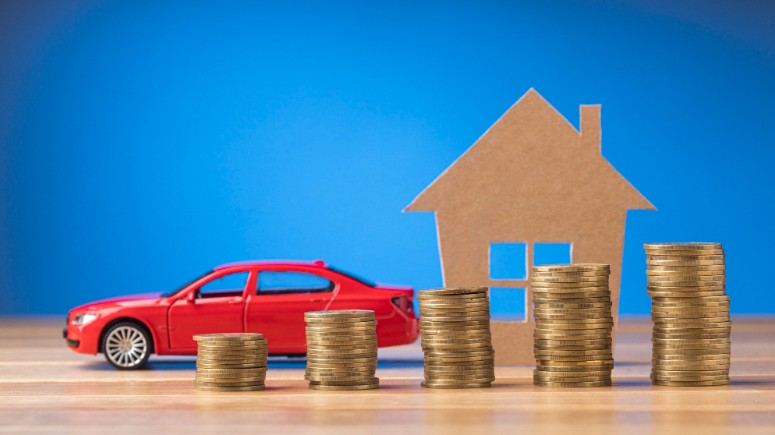
In the post-pandemic world, remote work, lifestyle shifts, and rising rent prices are pushing people to reconsider where they live and where they put their money. Enter: real estate investment as a relocation strategy.
Whether you’re moving to a new city and buying a home, or relocating to take care of an investment property, this trend is reshaping how people build wealth and live.
💸 Benefits of Combining Investing & Moving
Live Where You Want, Invest Where It Makes Sense: Your dream home might be in Florida, but your investment property is in Texas.
House Hacking: Buy a duplex or triplex, live in one unit and rent out the others.
Tax Advantages: Some states offer major benefits for homeowners or real estate investors.
Cost-of-Living Arbitrage: Sell in a high-cost area, buy multiple properties in a more affordable market.
🚚 Real Estate Moving Scenarios
Move to Manage Your Investment
If you’re self-managing a vacation rental or long-term property, moving nearby can cut costs and improve oversight.
Relocate First, Buy Later
Rent in a new area while researching local markets — then invest once you know the lay of the land.
Buy Before You Move
Lock in a property in your future location (especially if prices are rising) and rent it out short-term until you’re ready to move in.
🛠️ Tips for Smart Real Estate Relocation
Research Appreciation Trends: Don’t just look at where you want to live — look at where values are rising.
Know Local Laws: Short-term rental and landlord laws vary a lot by city and state.
Partner with a Realtor Who Gets Both Sides: Look for someone who understands investing and relocation.
Plan for Dual-Purpose Properties: Can your home double as a rental if needed?
🧳 Concierge Moving Services for Investors
Many high-net-worth or remote investors are now using concierge relocation and property setup services, which may include:
Property acquisition support
Moving and logistics coordination
Full interior design & staging
Setting up utilities, permits, cleaners, and landscapers
Creating listings for short-term rentals
This hands-off approach is perfect for turnkey investors or second-home buyers who want to start earning from day one.
Final Thought:
If you’re already making a big life move — why not make it a smart money move too? Real estate investment combined with relocation opens the door to financial growth, lifestyle upgrades, and a more flexible future.
by Katherine Soditus | May 14, 2025 | Home Improvement, Real Estate Tips
Whether you’re preparing to sell or simply want to build equity, investing in your home strategically can lead to a significant return. Some home projects not only make your living space more enjoyable but also increase its market value.
Here are 10 proven home improvement projects that offer the best bang for your buck:
1. Minor Kitchen Remodel
ROI: 70–80%
You don’t need a full gut renovation to impress buyers. Replacing outdated cabinet hardware, upgrading countertops, installing modern lighting, or switching to stainless steel appliances can transform your kitchen. Keeping the layout but modernizing finishes is a smart move.
Pro Tip: Stick to a neutral color palette to appeal to the widest range of buyers.
2. Bathroom Renovation
ROI: 60–70%
Bathrooms are high-impact spaces. Replace old vanities, install water-efficient toilets, re-tile the shower or tub, and update lighting fixtures. A clean, functional, and modern bathroom can be a major selling point.
3. Boost Curb Appeal
ROI: 75–100%
First impressions matter. Simple upgrades like landscaping, exterior lighting, painting the front door, and power washing can dramatically increase perceived value.
Pro Tip: A new front door alone can return nearly 100% of its cost.
4. Repaint Interior and Exterior
ROI: ~60%
A fresh coat of paint is one of the easiest and most affordable ways to refresh your home. Stick with warm neutrals like greige, soft gray, or beige to make your space feel clean and inviting.
5. Install a New Garage Door
ROI: 90–95%
Surprisingly, replacing an outdated garage door offers one of the highest returns. It boosts curb appeal, adds insulation, and gives your home a polished look.
6. Upgrade to Energy-Efficient Windows
ROI: 60–70%
Energy-efficient windows reduce utility bills and are a major selling point for eco-conscious buyers. They also improve comfort and reduce outside noise—great for urban or busy neighborhoods.
7. Finish the Basement or Attic
ROI: 50–75%
Extra livable square footage is a big plus. Convert that basement or attic into a guest suite, office, or media room to dramatically increase usable space and value.
8. Replace Flooring
ROI: 70–80%
Hardwood or luxury vinyl plank flooring continues to be a favorite among buyers. If you’re replacing carpet or dated tile, consider modern, low-maintenance options that appeal to broad tastes.
9. Add Smart Home Features
ROI: Varies (High Buyer Appeal)
Smart thermostats, video doorbells, keyless entry, and integrated security systems offer convenience and are becoming expected in modern homes. They may not have a direct ROI, but they can help your home sell faster.
10. Improve Lighting
ROI: Moderate, High Visual Impact
Lighting changes the feel of a home. Use layered lighting (ambient, task, and accent) to brighten dark spaces and highlight architectural features.

by Katherine Soditus | May 13, 2025 | Residential | Active

$209,000
Active
ACREAGE, ”SHOP” w/ADU POTENTIAL, CARPORT w/RV METER, WOW! Spacious 3bd/2ba manufactured home with covered porch on mostly level acreage. Split floor plan offers a primary suite with oversized soaking tub, dual vanities and a separate shower. Vaulted living spaces with ceiling fans; laundry room/mudroom. The wood framed workshop with glass slider may potentially convert to an ADU or additional finished area (inquire with county; workshop was remodeled from a previous ”old house”) The upper detached metal carport has an RV meter and the lower carport is adjacent to a shed; there’s ample room for storage and plenty of parking for RV, boat, trailers & toys. Property features multiple sheds/storage outbuildings, a fire-pit, even an older hot tub. Property is partially fenced. New 2000 gallon holding tank and pump just installed 10/2021, new well pump & pipeline in 2022. This home has ”short sale conditions” and is subject to bank approval; inquire with listing agent for details.