by Katherine Soditus | Feb 18, 2026 | Uncategorized
It has often been advised that people should buy property and wait, not wait to buy property.
Being cautious is understandable. But waiting for the perfect rate can quietly cost more than you think, mainly through reduced buying power, fewer options, and delayed stability.
Why Rates Matter to Payments
Your monthly payment is shaped heavily by your interest rate. Even a small change (like 0.5%) can increase payments, reduce budget, and limit choices.
If Rates Inch Up
A higher rate can add hundreds per month, reduce what you qualify for, and push desired homes out of reach. Many families wait for a drop that never comes and lose options in the process.
If Rates Drop
When rates drop, more buyers enter the market, competition increases, and prices can rise this can sometimes offsetting the savings. If you already have a loan you may be able to refinance to take advantage of the new lower mortgage rate.
The Real Cost of Staying
For move‑up buyers, the cost of waiting can be living in a home that no longer fits your needs. It means delaying comfort, space, and peace of mind.
There is No Perfect Time. There is Only the Right Time for You
As your trusted real estate agent I won’t pressure you. But understanding the tradeoffs helps you choose stability and clarity.
If you want to see the numbers for your situation, compare different rate scenarios, payment ranges, and equity options. I am here for you. I offer you a friendly, no‑obligation conversation.
by Katherine Soditus | Feb 18, 2026 | Uncategorized
One of the most common worries homeowners share is: “I want to move… but I’m scared to sell my home before finding the next one.”
That’s completely understandable. It’s also one of the biggest fears for move‑up buyers. This can be especially true when inventory feels tight and timing matters.
The good news is that there are more ways than ever to buy your next home before you sell your current one, and many are far less stressful than you might imagine.
Why Many Homeowners Prefer Buying First
Buying before selling offers control. You can shop at your pace, choose the right listing date, avoid moving twice, negotiate with confidence, and prevent the “we sold… now what?” scenario.
Option 1: Use a Bridge Loan
A bridge loan is a temporary loan that helps you access equity to make a strong offer and then pay it off after your current home sells. It’s built for timing flexibility.
Option 2: Use a HELOC
A home equity line of credit (HELOC) can provide funds for a down payment, closing costs, or moving expenses. Many homeowners like the simplicity and control, repaying once the home sells.
Option 3: Make a Contingency Offer
In a more moderated market, some sellers accept home-sale contingencies, kick-out clauses, or flexible terms. With the right strategy and negotiation, it can work.
Option 4: Use a Buy-First Program
Some services allow you to buy first, move in, then sell with less pressure. Not right for everyone, but helpful for families prioritizing a smooth transition.
Option 5: Strengthen Your Offer with Strategy
Tools like extended closings, rent-backs, coordinated lender timing, and smart listing strategy can reduce risk while keeping your offer strong.
You Don’t Have to Figure Out the Timing Alone
Buying before selling is possible and often easier than expected. If you’re considering a move in 2026 and want to explore your buy-first options, I am here for a friendly, no‑pressure conversation.
by Katherine Soditus | Jan 19, 2026 | Uncategorized
Choosing the right health insurance plan is essential for protecting your health and financial well‑being. Whether you are selecting coverage for yourself or your family, understanding the types of plans available and how they fit your needs can help you make a confident decision.
Understand Key Plan Types
When evaluating health insurance, it helps to know the common plan structures:
Health Maintenance Organization (HMO):
HMOs generally have lower premiums but require you to use doctors and hospitals in their network. You typically need referrals to see specialists.
Preferred Provider Organization (PPO):
PPO plans offer more flexibility to see out‑of‑network providers without referrals. They tend to cost more but provide greater choice.
Exclusive Provider Organization (EPO):
EPOs are similar to PPOs but do not cover out‑of‑network care except in emergencies. They balance cost and flexibility.
High‑Deductible Health Plan (HDHP) with HSA:
HDHPs have higher deductibles but lower monthly premiums. They pair with Health Savings Accounts (HSAs) that allow you to save pre‑tax dollars for medical costs.
Top Insurance Options to Consider
Employer‑Sponsored Plans:
If available, employer plans often offer competitive pricing and share premium costs. Many include additional benefits like dental, vision, and wellness programs.
Marketplace Plans (ACA):
Health Insurance Marketplace plans under the Affordable Care Act offer a range of options (Bronze, Silver, Gold, Platinum). Subsidies based on income can make these plans more affordable. They are especially useful for individuals, self‑employed people, and families without employer coverage.
Medicaid and CHIP:
Low‑income individuals and families may qualify for Medicaid. Children may qualify for the Children’s Health Insurance Program (CHIP), which provides free or low‑cost coverage.
Medicare:
For individuals 65 and older or those with certain disabilities, Medicare offers standardized coverage with options to add drug coverage (Part D) and private plans (Medicare Advantage).
Private Health Plans:
Many insurers offer individual and family plans outside employer or marketplace systems. These can be tailored to specific needs but may lack subsidies.
How to Choose the Best Plan
Assess Your Health Needs:
Consider how often you visit doctors, your prescription needs, and any planned procedures. Higher‑premium plans with lower out‑of‑pocket costs may benefit frequent care users, while healthy individuals might prefer lower premium options.
Check Provider Networks:
Verify that your preferred doctors and hospitals are in network to avoid surprise costs.
Estimate Total Costs:
Look beyond monthly premiums and review deductibles, copays, coinsurance, and out‑of‑pocket maximums to understand your real costs.
Review Family Needs:
Plans that work for an individual may not fit a family. Look for comprehensive pediatric care, maternity coverage, and preventive services.
Conclusion
The best health insurance plan varies based on individual or family needs, budget, and health circumstances. By understanding plan types, comparing coverage costs, checking provider networks, and evaluating your medical needs, you can choose a plan that provides strong protection and peace of mind. Whether you select an employer plan, Marketplace coverage, or a private option, informed choices help you stay healthier without unexpected financial burden.
by Katherine Soditus | Dec 11, 2025 | Uncategorized
The holidays bring warmth, gatherings, and gorgeous décor—but they also introduce seasonal risks that homeowners can manage with a few smart steps. As someone who spends a lot of time in homes and advises clients year-round, I’ve pulled together a practical, unbiased guide you can use this December to keep celebrations safe, comfortable, and stress-free.
Why holiday safety matters
December is typically the leading month for U.S. home fires, driven by a combination of cooking, candles, electrical lighting, and seasonal decorations. In recent NFPA data, Christmas Day and Christmas Eve rank among the top days for home cooking fires, and decoration-related fires (excluding Christmas trees) surge. Nearly half of those December decoration fires start with candles. [nfpa.org]
Christmas tree fires are infrequent but more severe: fire departments responded to an average of ~155 home Christmas tree fires per year (2018–2022), with electrical distribution or lighting equipment involved in over two in five cases. Proper tree care and thoughtful placement dramatically reduce risk.. [nfpa.org]
1) Cooking safely when the kitchen is command central
Holiday cooking creates peak fire risk because it’s easy to get distracted by guests, kids, or devices. The most important rule is the simplest: never leave cooking unattended. When cooking use timers, designate a “kitchen captain,” and keep flammable items (towels, oven mitts, packaging) well away from heat. [nfpa.org]
The U.S. Consumer Product Safety Commission (CPSC) underscores cooking as the leading cause of residential fires, noting spikes around major holidays. Their guidance: stay present at the stove, and fry turkeys outdoors away from structures.
If you’re hosting a buffet, keep hot foods at 140°F or warmer and refrigerate perishable items within two hours (one hour if it’s above 90°F). USDA food safety basics that apply just as much to Christmas dinner as to July picnics. [cpsc.gov][fsis.usda.gov]
Quick checklist for holiday cooks
-
Set multiple timers (stove, oven, warming trays). [cpsc.gov]
-
Keep a Class ABC fire extinguisher accessible and know how to use it (PASS: Pull, Aim, Squeeze, Sweep). [nfpa.org]
-
Create a 3-foot kid/pet buffer zone around cooking areas. [cpsc.gov]
-
After the party: walk the kitchen toconfirm all burners and appliances are off before bed. [northpennnow.com]
2) Candle and lighting safety (set the mood, not the smoke alarm)
Candles are classic holiday ambiance, but they’re a major ignition source in December. Use battery-operated flameless candles whenever possible. If you use real candles, keep them 12 inches from anything that can burn, place them on stable surfaces, and never leave them unattended. [usfa.fema.gov]
For string lights and décor:
-
Inspect every strand annually; discard anything with frayed wires, cracked sockets, or loose connections. [usfa.fema.gov]
-
Follow manufacturer instructions on how many strands you can link; don’t overload outlets. [usfa.fema.gov]
-
Choose products listed by recognized testing labs (UL, Intertek, CSA). [statefarm.com]
-
For outdoor displays, use GFCI outlets to cut power if moisture or heat spikes are detected. [blog.ameri…ouncil.com]
Pro tip: Set smart plugs or timers to turn lights off overnight and when you leave. It is also and easy, energy-saving, and safer option than trying to remember to turn them off. [usfa.fema.gov]
3) Christmas tree safety (real or artificial)
Whether you prefer a live evergreen or an artificial tree, placement and maintenance matter.
Live trees
-
Pick a fresh tree (needles should be green and resist pulling), cut 2 inches off the base, and water daily. Dry trees ignite and burn extremely fast. [nist.gov]
-
Keep the tree at least 3 feet from heat sources and away from exits. [nist.gov]
-
Turn off lights before bed or when leaving home; never use lit candles on a tree. [nist.gov]
Artificial trees
Disposal
4) Space heaters & home heating (comfort with caution)
Heating equipment remains a leading winter hazard. Provide three feet of clearance around space heaters and never place them on rugs or near bedding. Turn heaters off when sleeping or leaving the room.
Install and test smoke alarms monthly; practice an escape plan until everyone can exit in two minutes or less. [northpennnow.com]
5) Power outages, generators, and carbon monoxide (CO)
Winter storms can knock out power. If you use a portable generator, run it outside. Keep it at least 20 feet from doors, windows, and vents, directing exhaust away from the home. Opening windows is not sufficient ventilation. Consider models with automatic CO shut-off features (PGMA G300-2018 or UL 2201). [cpsc.gov]
FEMA’s Ready.gov adds: keep refrigerators closed, unplug electronics to prevent surge damage, and never use a gas range to heat your home. Install CO alarms with battery backup on every level and near sleeping areas.
CDC guidance highlights the symptoms of CO poisoning (headache, dizziness, nausea, confusion) and reiterates the minimum 20-foot placement rule for generators. [ready.gov][cdc.gov]
6) Ladder safety for outdoor decorating
Hanging lights? Most holiday decorating injuries involve falls. Follow the 4-to-1 rule for extension ladders (move the base out one foot for every four feet of rise), keep three points of contact, and never use furniture as a ladder.
Before you climb, inspect the ladder and wear slip-resistant shoes. For exterior lighting, stick to outdoor-rated products, and don’t connect more than three incandescent strands together. [statefarm.com][blog.ameri…ouncil.com]
7) Food safety for leftovers (the party after the party)
The USDA’s “danger zone” is 40°F–140°F; bacteria grow rapidly there. Refrigerate leftovers within two hours (one hour above 90°F) and reheat to 165°F. Store in small, shallow containers for rapid cooling.
CDC and FDA both emphasize thorough handwashing, clean surfaces, and keeping raw foods separate from ready-to-eat items to prevent cross-contamination. [fsis.usda.gov][cdc.gov], [fda.gov]
8) Lithium-ion battery gifts (phones, scooters, e-bikes)
Holiday gifting often includes devices with lithium-ion batteries. Buy only devices and chargers listed by a nationally recognized testing lab, use compatible charging equipment, and stop using any device that shows swelling, odor, heat, popping sounds, or discoloration.
And don’t toss these batteries in the trash. Lithium-ion batteries should be recycled through approved programs. [nfpa.org]
9) A room-by-room holiday safety walkthrough
Entryway
Living room
-
If you burn wood, keep a screen in front of the fireplace, store matches/lighters out of reach, and maintain a 3-foot clearance around heat sources. [usfa.fema.gov]
Kitchen
Hallways & bedrooms
Garage & exterior
10) A simple holiday safety plan you can implement today
-
Check alarms: Test smoke and CO alarms; add units where gaps exist. [ready.gov]
-
Walk the home: Identify clearances around heaters, fireplaces, and the tree. [usfa.fema.gov]
-
Inspect décor: Replace damaged lights; set timers or smart plugs. [usfa.fema.gov]
-
Assign roles: Kitchen captain, candle checker, and tree-watering lead. [nist.gov]
-
Prepare for outages: Generator placement plan (20+ feet), surge protection, and a stocked emergency kit. [ready.gov]
-
Food safeguards: Two-hour rule, shallow containers, 165°F reheat. [fsis.usda.gov]
Balanced perspective: enjoy the season, mitigate the risks
These tips aren’t about dampening holiday spirit. These safety tips are about preventing avoidable incidents so you can celebrate confidently. National fire and safety organizations agree: most holiday-related incidents are largely preventable with practical precautions and consistent habits. [nfpa.org]
As your real estate resource, I see firsthand how small safety upgrades (proper alarms, GFCI outlets, safer lighting choices, and well-kept trees) protect property value, reduce insurance headaches, and, most importantly,keep loved ones safe. If you’d like a home safety walkthrough customized to your layout (including smart outlet placement for décor, safe heater zones, or an escape route review), I’m happy to help.
Useful resources (authoritative, homeowner-friendly)
-
NFPA holiday safety: cooking, candles, Christmas trees, lithium-ion batteries. [nfpa.org]
-
U.S. Fire Administration (FEMA): holiday fire safety tip sheets. [usfa.fema.gov]
-
CPSC holiday safety: cooking, décor injuries, toy safety. [cpsc.gov]
-
CDC power outage & CO: generator placement and symptom guidance. [cdc.gov]
-
USDA/FSIS leftovers: time-temperature rules and safe reheating. [fsis.usda.gov]
-
NIST tree watering: video experiments demonstrating reduced ignition risk. [nist.gov]
Wishing you a safe, bright, and joyful holiday season.
by Katherine Soditus | Oct 14, 2025 | Uncategorized
Serves: 6–8
Prep Time: 15 minutes
Bake Time: 40–45 minutes
Ingredients
For the filling:
- 6 medium apples (Granny Smith or Honeycrisp work well), peeled and sliced
- 2 tablespoons granulated sugar
- 1 tablespoon lemon juice
- 1 teaspoon ground cinnamon
- ¼ teaspoon ground nutmeg
For the crisp topping:
- ¾ cup old-fashioned rolled oats
- ½ cup all-purpose flour
- ½ cup brown sugar (packed)
- ½ teaspoon ground cinnamon
- ¼ teaspoon salt
- ½ cup unsalted butter (cold and cut into small cubes)
Instructions
- Preheat your oven to 350°F (175°C). Lightly grease a 9×9-inch baking dish or similar.
- Prepare the apple filling:
In a large bowl, toss the sliced apples with sugar, lemon juice, cinnamon, and nutmeg. Spread the mixture evenly in the prepared baking dish.
- Make the crisp topping:
In a separate bowl, combine oats, flour, brown sugar, cinnamon, and salt. Add the cold butter cubes and use a pastry cutter or your fingers to blend until the mixture resembles coarse crumbs.
- Assemble and bake:
Sprinkle the topping evenly over the apples. Bake for 40–45 minutes, or until the topping is golden brown and the apples are bubbling.
- Serve warm—ideally with a scoop of vanilla ice cream or a dollop of whipped cream.
Notes for Colleagues or Guests
This dessert travels well and can be made ahead of time. If you’re bringing it to a meeting or event, reheat it briefly in the oven before serving to revive the crisp texture.
Try different apple varieties for a more complex flavor. Cortlands, or Northern Spy are good choices.

by Katherine Soditus | May 7, 2025 | Home Buyers, Mortgage Rates
If you’re a homeowner, homebuyer, investor, or real estate professional, you’re likely wondering: What happens to the housing market during an economic slowdown? As the economy cools, its ripple effects can be felt across home prices, mortgage rates, rental demand, and new construction.
In this article, we’ll break down what an economic slowdown means for the real estate market, including who might benefit—and who should be cautious.
1. Home Prices May Fall or Flatten
One of the first effects of a slowing economy is reduced homebuyer demand. When consumers feel uncertain about their income or job security, they’re less likely to make large purchases like a house. This can lead to:
- Slower home price growth
- Price drops in overvalued markets
- More price reductions and motivated sellers
In tougher economic conditions, foreclosures and distressed sales may rise, adding downward pressure on prices.
2. Home Sales Often Decline
Economic uncertainty often leads to fewer home transactions. Why?
- Buyers may wait for better conditions.
- Sellers may hold off, fearing a weak market.
- Mortgage lenders may tighten standards, reducing who can qualify.
This results in fewer listings, slower sales cycles, and lower market activity overall.
3. Mortgage Rates Could Drop—But With Limited Impact
During a slowdown, central banks often lower interest rates to stimulate spending. This can bring mortgage rates down as well, which is good news for borrowers.
However, low rates alone don’t guarantee a housing rebound. If consumer confidence is low, many buyers still choose to wait.
Quick tip: Savvy buyers with stable jobs may find this is a great time to buy with lower monthly payments.
4. Rental Demand May Increase
As buying becomes more difficult or uncertain, demand for rental housing tends to rise. This shift can benefit landlords, especially in:
- Urban areas
- High-cost markets
- Cities with younger populations
In some cases, rents may increase even if home prices fall.
5. New Construction Often Slows Down
Homebuilders are highly sensitive to economic trends. During a slowdown, many developers may:
- Delay or cancel projects
- Focus on lower-risk builds
- Struggle to secure financing
This can reduce new home inventory, which may help prevent a long-term oversupply.
6. Local Markets Will Vary
Not all housing markets react the same way during a slowdown. For example:
- Tech-driven cities or places with strong job markets may stay resilient.
- Overheated markets with recent rapid price growth may see sharper corrections.
- Affordable, growing areas may remain attractive for buyers.
Understanding your local market dynamics is crucial during uncertain times.
Conclusion: What Should You Do During a Slowdown?
An economic slowdown doesn’t always spell disaster for the housing market, but it does shift the landscape. Here’s how to think about your next move:
- Buyers: Look for opportunities in lower prices and interest rates.
- Sellers: Be realistic about pricing and flexible with negotiations.
- Investors: Monitor rental demand and long-term trends.
- Homeowners: Focus on financial stability and stay informed.
Whether you’re buying your first home or managing a real estate portfolio, staying informed and adaptable is key to navigating economic change.
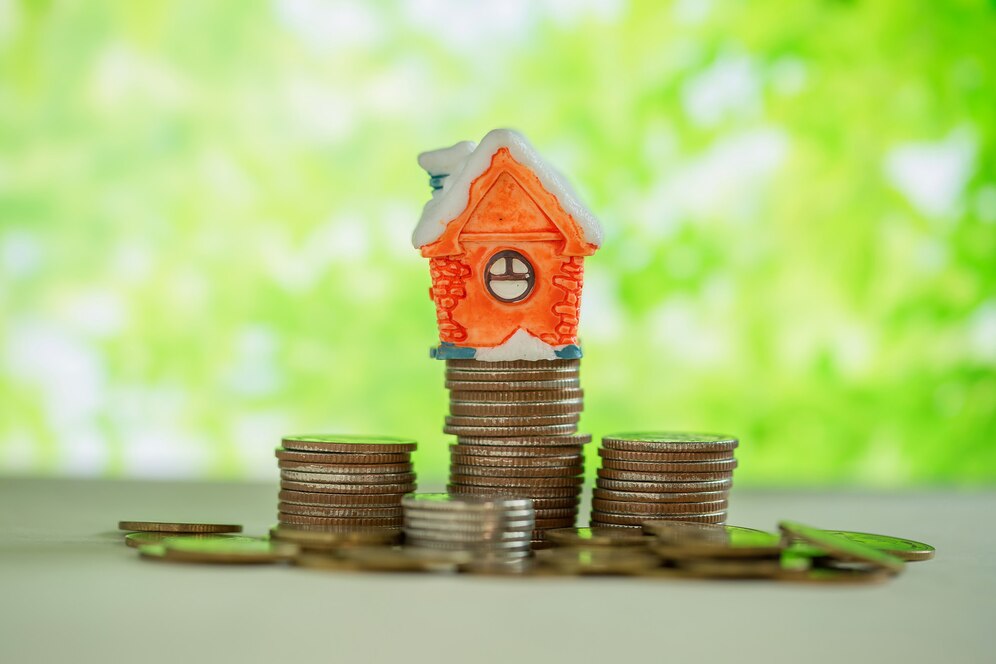
by Katherine Soditus | May 3, 2025 | Home Prices
Let’s face it—most of us don’t spend much time thinking about tariffs. They sound like something best left to economists and politicians, right?
But if you’re planning to buy, sell, or build a home, tariffs—especially those like the ones imposed during the Trump administration—can quietly influence the housing market in big ways. Here’s how international trade policy might affect the price of your dream home.
What Is a Tariff and Why Does It Matter?
A tariff is essentially a tax on goods imported from other countries. The goal is to make imported products more expensive so people are encouraged to buy from domestic manufacturers.
But those increased costs don’t disappear—they get passed down the line.
When tariffs are applied to materials like:
- Steel
- Aluminum
- Lumber
- Appliances
- Cabinetry
…the cost to build or renovate homes goes up. And that affects real estate prices across the board.
How Tariffs Affect New Home Construction
Tariffs hit homebuilders especially hard. When the cost of construction materials rises, developers may:
- Raise home prices
- Delay or scale back projects
- Substitute cheaper (and possibly lower-quality) materials
Let’s say a builder planned to construct 12 homes. If imported lumber and stainless steel costs jump by 15%, they’re forced to make tough choices. Most likely, they won’t eat that cost—they’ll pass it on to buyers.
This means:
- Fewer new homes are built
- Inventory shrinks
- Prices go up due to limited supply and steady demand
Tariffs and Home Renovations
It’s not just new builds that are impacted. Tariffs can make home renovations more expensive too.
Think about a homeowner planning a kitchen remodel before selling. If imported fixtures cost more due to tariffs, they may:
- Increase their asking price to cover the upgrade
- Skip the renovation, which could lower their home’s value or market appeal
Even Resale Buyers Feel the Pinch
You might think this doesn’t affect you if you’re buying an existing home. But think again.
Higher home prices—whether from new builds or increased competition—can stretch your budget. If construction slows and inventory tightens, even resale homes become more expensive.
Real Estate Is Tied to Global Trade
Tariffs don’t automatically crash or spike the housing market. Many factors influence pricing—like:
- Interest rates
- Local supply and demand
- Labor shortages
- Broader economic trends
But the key takeaway? Real estate doesn’t exist in a bubble. What happens with trade policy and tariffs can have a very real effect on your wallet.
Key Takeaways: How Tariffs Affect Home Prices
- Tariffs increase material costs, which drives up home construction and renovation prices.
- Builders often pass those costs onto buyers, leading to higher real estate prices.
- Fewer homes get built, creating limited housing inventory.
- Even existing home prices can rise due to reduced supply and higher demand.
- Global trade policy is more connected to your home-buying journey than you might think.
Final Thoughts
If you’re thinking about buying, selling, or building a home, don’t just watch mortgage rates or local listings—keep an eye on global trade policy too. What happens at international borders could impact your housing budget more than you think.

by Katherine Soditus | May 1, 2025 | Residential | Active

$229,000
Active
ACREAGE, ”SHOP” w/ADU POTENTIAL, CARPORT w/RV METER, WOW! Spacious 3bd/2ba manufactured home with covered porch on mostly level acreage. Split floor plan offers a primary suite with oversized soaking tub, dual vanities and a separate shower. Vaulted living spaces with ceiling fans; laundry room/mudroom. The wood framed workshop with glass slider may potentially convert to an ADU or additional finished area (inquire with county; workshop was remodeled from a previous ”old house”) The upper detached metal carport has an RV meter and the lower carport is adjacent to a shed; there’s ample room for storage and plenty of parking for RV, boat, trailers & toys. Property features multiple sheds/storage outbuildings, a fire-pit, even an older hot tub. Property is partially fenced. New 2000 gallon holding tank and pump just installed 10/2021, new well pump & pipeline in 2022. This home has ”short sale conditions” and is subject to bank approval; inquire with listing agent for details.

by Katherine Soditus | Apr 23, 2025 | For Buyers, Mortgage Rates
In today’s unpredictable housing market, mortgage rates seem to shift daily — sometimes even hourly. For homebuyers and homeowners looking to refinance, this uncertainty can feel overwhelming. But the good news? You can take control, even when mortgage rates are a moving target.
Here’s a practical guide to navigating rising and falling rates, so you can make confident, informed decisions.
🔍 Why Mortgage Rates Fluctuate
Before diving into what to do, it helps to understand why rates change in the first place. Mortgage rates are influenced by several factors, including:
- Inflation
- The Federal Reserve’s monetary policy
- Economic growth indicators
- Bond market performance
Because of these variables, rates can change quickly — sometimes without much warning.
🏦 1. Get Pre-Approved and Set a Budget
Why it matters: A mortgage pre-approval not only tells you how much you can afford, but it may also lock in a rate for 30 to 90 days. That gives you some breathing room if rates rise during your home search.
Bonus tip: Even if you’re pre-approved, continue monitoring rates. Some lenders offer updated rate quotes if you haven’t closed yet.
📈 2. Monitor Market Trends and Mortgage News
Stay informed by tracking mortgage rate trends through financial news, lender websites, and mortgage calculators. Pay attention to:
- Federal Reserve announcements
- Economic data like inflation reports and job numbers
- Real estate market updates
Key takeaway: Timing your move in the market isn’t about guessing; it’s about staying informed.
🧑💼 3. Work With a Mortgage Broker
Mortgage brokers have access to multiple lenders and loan products. They can help you:
- Compare rates quickly
- Find special programs or first-time buyer incentives
- Navigate rate lock options or flexible terms
Pro tip: A good broker can help you react quickly to market changes — a huge benefit when rates are shifting.
🔒 4. Use a Mortgage Rate Lock (With a Float-Down Option)
When you’re under contract, consider locking in your mortgage rate. This protects you if rates rise before closing.
What’s a float-down? Some lenders allow you to “float down” to a lower rate if the market drops significantly before you close. Be sure to ask about this feature when comparing lenders.
💸 5. Explore Adjustable-Rate Mortgages (ARMs)
If current fixed rates feel too high, an ARM might be a good temporary solution.
How ARMs work:
- You get a lower initial rate for the first 5, 7, or 10 years.
- After that, your rate adjusts periodically based on the market.
Best for: Buyers planning to move or refinance before the fixed period ends.
🎯 6. Consider Buying Mortgage Points
Mortgage points are upfront fees paid to lower your interest rate. This strategy can lead to long-term savings, especially if you plan to stay in your home for several years.
Example: Paying 1 point (equal to 1% of your loan) might reduce your rate by 0.25%.
Rule of thumb: Use a mortgage point calculator to see when your break-even point occurs.
🔁 7. Plan to Refinance When Rates Drop
If you need to buy when rates are high, keep refinancing on your radar. When the market improves, you can refinance to a lower rate and reduce your monthly payments.
Just be aware of:
- Closing costs
- Potential prepayment penalties
- How long you plan to stay in the home
✅ Final Thoughts
Yes, mortgage rates are unpredictable — but that doesn’t mean you’re powerless. With the right tools, timing, and team, you can make smart moves no matter what the market is doing.
Remember:
- Get pre-approved and lock in when the time is right.
- Explore adjustable-rate options and mortgage points.
Be ready to refinance when rates improve.

by Katherine Soditus | Apr 21, 2025 | DIY
Photo by Derick McKinney on Unsplash
Looking to refresh your living space without breaking the bank? DIY home projects are a fantastic way to add personal touches and improve your home’s functionality and aesthetics. Here are five simple upgrades that can make a big difference in your living space.
1. Paint an Accent Wall
One of the easiest and most impactful DIY projects is painting an accent wall. Choose a bold color that complements your existing decor and adds a pop of personality to the room. An accent wall can create a focal point and make the space feel more dynamic. Whether you opt for a deep blue, vibrant yellow, or sophisticated gray, this project can be completed in a weekend and instantly transform your room.
Tips:
- Use painter’s tape to create clean edges.
- Invest in high-quality paint for a smooth finish.
- Consider using a stencil for added texture and design.
2. Install Floating Shelves
Floating shelves are a stylish and functional addition to any room. They provide extra storage space and can be used to display books, plants, photos, and decorative items. Installing floating shelves is a straightforward project that requires minimal tools and can be completed in a few hours.
Tips:
- Use a level to ensure shelves are straight.
- Choose shelves that match your room’s decor.
- Arrange items on the shelves in a balanced and visually appealing way.
3. Upgrade Cabinet Hardware
Swapping out old cabinet hardware for new, modern pieces is a quick and easy way to update your kitchen or bathroom. This simple change can give your cabinets a fresh look and enhance the overall aesthetic of the room. With a variety of styles and finishes available, you can find hardware that suits your taste and complements your decor.
Tips:
- Measure existing hardware to ensure new pieces fit.
- Choose a finish that matches other elements in the room, such as faucets or light fixtures.
- Use a template to ensure consistent placement of new hardware.
4. Create a Gallery Wall
A gallery wall is a creative way to showcase your favorite art, photos, and prints. This project allows you to personalize your space and create a visually striking display. Arrange frames of different sizes and styles to add depth and interest to the wall. This project can be as simple or elaborate as you like, making it a fun and flexible DIY upgrade.
Tips:
- Plan the layout on the floor before hanging frames.
- Use a mix of frame styles and sizes for a dynamic look.
- Consider adding other elements like mirrors or wall sculptures.
5. Add Under-Cabinet Lighting
Under-cabinet lighting can dramatically improve the functionality and ambiance of your kitchen. LED strip lights are easy to install and provide excellent task lighting for cooking and food preparation. This upgrade not only enhances visibility but also adds a modern touch to your kitchen.
Tips:
- Choose LED lights for energy efficiency and longevity.
- Use adhesive strips or mounting clips for easy installation.
- Connect lights to a dimmer switch for adjustable brightness.
In conclusion, these five DIY home projects are simple yet effective ways to enhance your living space. Whether you’re looking to add a splash of color, improve storage, or update your decor, these upgrades can be completed with minimal tools and effort. By investing a little time and creativity, you can transform your home and make it more enjoyable and functional.
Are there any specific DIY projects you’re excited to try in your home?