by Katherine Soditus | Dec 23, 2025 | Uncategorized
In the ebb and flow of market dynamics, understanding shifts in buyer demand is crucial for sellers aiming to stay ahead. After a period of uncertainty, many industries are now seeing signs that buyer demand may be picking back up—but what does this mean for sellers? In this article, we explore current trends, what’s driving demand, and key actions sellers should take to leverage this momentum.
1. Signs That Buyer Demand Is Rebounding
Across multiple sectors, data and market indicators suggest that consumer interest is strengthening. Here’s how that rebound is showing up:
Consumer Search Activity Is Increasing
Online searches for products and services have risen in many categories—suggesting that buyers are actively researching and preparing to make purchases.
Sales Metrics Are Improving
Retailers and platforms are reporting upticks in sales volumes compared to earlier quarters. This is especially notable in sectors such as real estate, autos, and electronics.
Foot Traffic Is Rising in Physical Retail
Brick-and-mortar stores are seeing increased foot traffic, particularly in shopping districts and malls. This reflects a renewed confidence among in-person buyers.
Lead Generation Is Up
Many sellers are seeing more inquiries and leads, indicating that buyers aren’t just browsing—they are engaging with sellers and considering transactions.
2. What’s Fueling This Comeback in Buyer Demand?
The reasons behind a resurgence in buyer interest are multifaceted. Here are some key drivers:
Economic Stability and Consumer Confidence
As inflation stabilizes and job markets remain strong in several regions, consumers have more confidence—and financial flexibility—to spend.
Seasonal Buying Trends
Certain times of the year, especially around holidays and end-of-year sales, naturally boost buyer activity. This seasonal uptick can create momentum that carries into the next year.
Discounts, Promotions, and Incentives
Sellers offering smarter pricing strategies—such as targeted discounts or bundled deals—are successfully reengaging price-conscious buyers.
Shift to Digital Platforms
The continued growth of e-commerce and digital discovery tools makes it easier for buyers to find and compare products, accelerating decision-making.
3. Why This Matters for Sellers
Understanding rising buyer demand is not just informative—it’s actionable. Sellers who recognize the shift can position themselves to capture more sales, increase market share, and build stronger customer relationships.
Here’s what sellers should consider:
Inventory Readiness
Ensure that your inventory aligns with emerging demand. Slow availability or stockouts can turn interested buyers toward competitors.
Optimized Pricing Strategies
Monitor competitor pricing, market trends, and buyer sensitivities. Competitive but profitable pricing can make the difference in converting interest into sales.
Enhanced Customer Engagement
Responsive communication, clear product information, and streamlined purchasing experiences help convert leads into loyal customers.
Leverage Data and Analytics
Use analytics to understand buyer behavior—such as which products are trending, what search terms are rising, and where demand is strongest.
4. How Sellers Can Strategize for Sustained Success
Here are actionable tips for sellers navigating a resurgence in buyer demand:
1. Prioritize High-Demand Products
Identify best-selling categories and ensure you stock and promote items that customers are actively seeking.
2. Improve Online Presence
Invest in user-friendly websites, accurate listings, SEO, and social media engagement to expand visibility and capture online demand.
3. Offer Flexible Buying Options
Consider installment plans, easy returns, free shipping, or special financing options to reduce friction in the buyer’s journey.
4. Personalize Marketing
Tailored recommendations and segmented communication—like email campaigns based on browsing history—can significantly enhance relevance and conversions.
5. Gather and Apply Feedback
Collecting buyer feedback helps refine offerings, address pain points, and build trust over time.
5. Final Takeaway
While market conditions are never static, current signals suggest that buyer demand is indeed gaining momentum across various sectors. For sellers, this presents an opportunity to recalibrate strategies, deepen customer connections, and drive growth.
The keys to success? Staying informed, agile, and customer-centric—because when buyer interest rises, the sellers who are prepared will be the first to benefit.
by Katherine Soditus | Dec 1, 2025 | Uncategorized
In a year marked by change, uncertainty, and shifting priorities, one choice continues to rise to the top as a source of deep gratitude for millions of Americans: buying a home. Whether they became first-time homeowners, upsized, downsized, or moved to a new area, many who took the leap are ending the year feeling profoundly thankful for their decision.
Here’s why so many people are grateful they made homeownership a reality this year.
1. They Locked In Stability During an Unpredictable Time
When seemingly everything around them felt unpredictable, buying a home offered something priceless: stability.
Homeownership has given buyers:
-
A fixed place to call home
-
Predictable monthly payments (especially with a fixed-rate mortgage)
-
A sense of control and independence, renting rarely provides
In a time when people have been craving security more than ever, owning a home provides a solid foundation and a sense of peace.
2. They Started Building Wealth Instead of Paying Rent
One of the biggest reasons homeowners are thankful this year is the financial benefit they’re already experiencing. Instead of watching rent payments disappear each month, they’re now building equity often faster than they expected.
With steady home price appreciation in many markets, people who purchased even a few months ago are seeing measurable gains in their net worth. For many, it’s the first time they’ve felt their money is truly working for them.
3. Their Home Became a Space That Truly Fits Their Life
Lifestyle needs shifted dramatically this year, and homeowners quickly realized the value of having the right space. Many people now prioritize:
Buying a home allowed them to choose a space that supports the life they want to live. Their home is no longer just a place to sleep; it’s a space that enhances their everyday experience.
4. They Experienced the Emotional Joy of Being a Homeowner
Beyond the financial and practical benefits, homeownership brought something deeper: emotional fulfillment.
There’s a unique sense of pride and gratitude that comes from having:
-
A place to decorate freely
-
A yard to enjoy
-
A neighborhood to put down roots in
-
A home that’s truly your own
Many new homeowners say they feel more grounded, more connected, and more “at home” in their community than ever before.
5. They Acted at the Right Time And Beat Future Market Changes
While some people hesitated, those who moved forward are grateful they acted when they did. Buying this year meant they:
Even buyers who were initially nervous now feel relieved that they didn’t wait. Timing the market isn’t easy, but making a confident decision based on their needs paid off.
The Bottom Line
This year reminded people of what matters most: stability, security, comfort, and long-term financial well-being. Buying a home checked all of those boxes and then some.
For many new homeowners, the gratitude they feel goes far beyond owning a property. It’s about creating a brighter future, building generational wealth, and having a space that truly feels like their own.
by Katherine Soditus | Nov 3, 2025 | Uncategorized
Buying your first home is one of the most exciting and nerve-wracking financial decisions you’ll ever make. Between mortgage calculators, down payments, and hidden costs, it’s easy to feel overwhelmed. The good news is that with a clear budgeting plan, you can confidently figure out how much home you can actually afford without stretching yourself too thin.
Let’s break it down step by step.
:moneybag: Step 1: Know Your True Financial Picture
Before browsing listings or talking to a lender, take an honest look at your finances.
Here’s what to review:
-
Monthly income: Include all reliable sources such as salary, bonuses, and freelance work.
-
Monthly expenses: List essentials like rent, utilities, groceries, insurance, debt payments, and subscriptions.
-
Savings: How much can you comfortably put toward a down payment and an emergency fund?
:bar_chart: Step 2: Understand the 28/36 Rule
A general rule lenders use to assess affordability is the 28/36 rule:
-
28% of your gross monthly income should go toward housing expenses (mortgage, property taxes, and insurance).
-
36% should cover all your monthly debts (housing, credit cards, car loans, student loans, etc.).
Example:
If you earn $6,000 per month before taxes:
-
28% of $6,000 = $1,680 → That’s your maximum affordable housing cost.
-
36% of $6,000 = $2,160 → That’s your total debt limit.
So if you already pay $300 toward a car loan and $150 toward student loans, your maximum mortgage-related payment should be closer to $1,710.
:bank: Step 3: Factor in the Hidden Costs of Homeownership
Your mortgage isn’t the only expense to plan for. Homeownership comes with ongoing costs that many first-time buyers underestimate, such as:
-
Property taxes: Can vary widely by area.
-
Home insurance: Usually required by your lender.
-
Maintenance and repairs: A good rule of thumb is to set aside 1–2% of your home’s value per year.
-
Utilities and HOA fees: May increase if you’re moving from a smaller rental.
:credit_card: Step 4: Save Smart for Your Down Payment
The larger your down payment, the smaller your mortgage and the better your rate.
-
Conventional loans: Typically require 3–20% down.
-
FHA loans: May require as little as 3.5%.
-
First-time buyer programs: Some offer grants or zero-down options. Check with your local housing authority.
Even saving an extra $5,000 to $10,000 can make a real difference in reducing your monthly payment and avoiding private mortgage insurance (PMI).
:receipt: Step 5: Use a Mortgage Calculator, But Don’t Stop There
Online calculators are a great starting point, but they don’t always include taxes, insurance, or changing interest rates.
For a more realistic number, ask a lender for a pre-approval. It gives you:
:brain: Step 6: Plan for the Future
Affordability isn’t just about what you can afford today. It’s about what you’ll still be comfortable paying in the future.
Ask yourself:
-
Could I still afford this payment if my income dropped by 10%?
-
What if property taxes rise?
-
Am I still saving for retirement and emergencies?
If the answer to any of these is no, consider buying a slightly cheaper home. Financial comfort beats being “house poor” every time.
:sparkles: Final Thoughts
Buying your first home should be empowering, not stressful. When you take the time to create a realistic budget and account for all the moving pieces, you’ll step into homeownership with confidence, knowing exactly what you can afford.
Your dream home isn’t just about location or design. It’s about financial peace of mind.
by Katherine Soditus | Sep 15, 2025 | Uncategorized
As economic conditions shift, all eyes turn to the Federal Reserve, especially when there’s talk of a rate cut. For homeowners and prospective buyers alike, the big question is: What does a Fed rate cut mean for mortgage rates? The answer is nuanced, but understanding the connection between Fed policy and mortgage rates can help borrowers make smarter financial decisions.
The Role of the Federal Reserve
The Federal Reserve, or “the Fed,” is the central bank of the United States. Its key role is to manage monetary policy primarily by setting the federal funds rate, which is the interest rate banks charge each other for overnight loans. While the Fed doesn’t directly set mortgage rates, its decisions influence the broader interest rate environment.
When the Fed cuts rates, it’s usually to stimulate the economy by making borrowing cheaper. Lower rates encourage spending, investing, and borrowing, which in turn can help boost growth during economic slowdowns.
How Mortgage Rates Are Affected
Mortgage rates are influenced by a variety of factors, including:
-
The bond market (especially 10-year Treasury yields)
-
Inflation expectations
-
Economic growth indicators
-
Investor demand for mortgage-backed securities (MBS)
However, a Fed rate cut does have a downward pressure on mortgage rates especially short-term rates and variable-rate products like adjustable-rate mortgages (ARMs) and home equity lines of credit (HELOCs).
Fixed-Rate Mortgages
For 30-year fixed-rate mortgages, the correlation to the Fed’s rate is indirect. These rates are more closely tied to the yield on 10-year U.S. Treasury bonds. However, when the Fed cuts rates, Treasury yields often fall as well, signaling investor concern about economic growth and increased demand for safe assets.
What to expect:
A Fed rate cut typically nudges fixed mortgage rates lower, though the magnitude of the drop depends on market conditions and how much of the rate cut was already “priced in” by investors.
Adjustable-Rate Mortgages and HELOCs
Unlike fixed mortgages, ARMs and HELOCs are directly tied to short-term interest rates. These loans are often pegged to indexes like the prime rate, which moves closely with the federal funds rate.
What to expect:
If the Fed cuts rates, borrowers with variable-rate loans could see their interest rates and monthly payments decrease relatively quickly.
Market Expectations and Timing Matter
Mortgage rates are forward-looking. Lenders and investors often adjust rates in anticipation of Fed moves, based on economic data and Fed communications. So, by the time a rate cut happens, the impact on mortgage rates may already be partially reflected.
If a rate cut signals a broader easing cycle, mortgage rates may continue to decline in the months that follow. Conversely, if the cut is seen as a one-time move or if inflation remains stubbornly high, rates may not drop significantly.
Implications for Homebuyers and Homeowners
-
Homebuyers: Lower mortgage rates mean increased affordability — lower monthly payments or higher loan eligibility for the same income. This can open the door for more people to enter the housing market.
-
Homeowners (with ARMs or HELOCs): You may see some relief in monthly payments if your loan resets during a period of lower rates.
-
Refinancers: A Fed rate cut may create an opportunity to refinance into a lower rate, especially for those who took out loans when rates were higher.
Final Thoughts
While a Fed rate cut doesn’t directly dictate mortgage rates, it sends strong signals to the market. If you’re in the market for a new home or considering refinancing, a rate cut could be a favorable development — but timing, creditworthiness, and overall market conditions still play crucial roles.
As always, it’s wise to consult with a mortgage advisor or financial planner to understand how changing rates could impact your specific situation.
by Katherine Soditus | Aug 20, 2025 | Uncategorized
In a housing market shaped by rising interest rates, soaring home prices, and evolving lifestyle needs, condominiums are emerging as a smart, strategic option for many homebuyers in 2025. Whether you’re a first-time buyer, downsizer, or investor, condos offer a compelling blend of affordability, convenience, and modern living—making them a “win” in today’s challenging real estate climate.
1. Affordability in a High-Cost Market
One of the biggest advantages of buying a condo today is cost. As single-family home prices continue to climb across North America, condos present a more accessible entry point:
-
In the U.S., the median price of a condo in 2024 was approximately $333,900, compared to $389,400 for single-family homes.
-
In major Canadian cities like Toronto and Vancouver, many condo units remain priced under C$500,000, providing relief to buyers priced out of the detached home market.
-
With ownership costs up 64% in some markets since 2021, condos help lower the upfront financial burden while still allowing buyers to build equity.
2. Low-Maintenance, Amenity-Rich Living
Condos are ideal for those who want homeownership without the hassle. Most condo buildings include:
-
Exterior maintenance, snow removal, and landscaping—covered by HOA or condo fees.
-
Access to luxury-style amenities like fitness centers, pools, lounges, co-working spaces, and even rooftop gardens.
-
Enhanced security features like gated access or front-desk concierge services.
For busy professionals or retirees looking for convenience, the condo lifestyle can be a major advantage.
3. Location, Location, Location
Condos are typically located in the heart of urban centers or in highly desirable neighborhoods close to:
This makes them particularly attractive for those who prioritize walkability and access to city life without a long commute.
4. A Match for Modern Lifestyles
Today’s buyers are looking for homes that reflect their values and routines. Many new condo developments now include:
-
Smart home technology: Smart thermostats, lighting, and security systems are often integrated.
-
Sustainability features: LEED-certified buildings, energy-efficient appliances, and green design are common.
-
Flexible spaces: Open floor plans, multi-use areas, and co-living options support remote work and evolving needs.
-
Wellness-focused amenities: Gyms, yoga studios, saunas, and meditation gardens are increasingly standard.
5. Investment and Long-Term Value
While condos tend to appreciate more slowly than detached homes, they still offer long-term value—especially in high-demand cities:
-
Urban condos may offer rental yields between 6–8%, making them appealing for investors.
-
Strong resale demand in central locations can help condos retain value over time.
-
New policy innovations—like San José’s move to allow backyard ADUs to be sold as condos—are opening up new ownership models and increasing housing supply.
Caveats to Consider
Condos aren’t without downsides, and buyers should go in with their eyes open:
-
HOA/Condo Fees: These can be high—sometimes $500 to $1,000/month in upscale buildings. Make sure you understand what’s included and whether the association is well-managed.
-
Resale Limits: Some buildings have restrictions on rentals or renovations, which may impact flexibility or investment potential.
-
Older Buildings: May have deferred maintenance issues or lower reserve funds—always review financial statements and inspection reports.
-
Slower Appreciation: In some markets, especially where there’s oversupply, condo values may grow more slowly or stagnate.
So, Are Condos a Win in 2025?
For many buyers—yes. With more affordable prices, modern amenities, and desirable locations, condos offer a practical way to enter or stay in the housing market in 2025. They aren’t a one-size-fits-all solution, but for those who do their due diligence and align purchase choices with lifestyle needs, condos can be an excellent investment in today’s environment.
by Katherine Soditus | Apr 21, 2025 | Home Improvement
Photo by Ray Stockwell
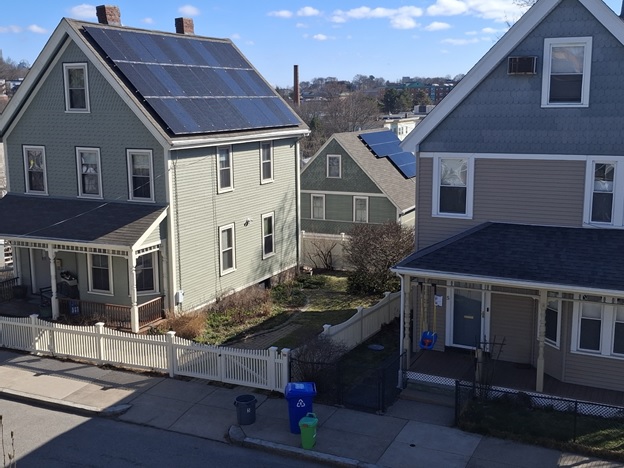
In today’s real estate market, eco-friendly home improvements are not just a trend—they’re a smart investment. Sustainable upgrades can enhance your home’s appeal, reduce utility costs, and increase property value. Here are some practical tips on how to make your home more eco-friendly and attractive to potential buyers.
1. Energy-Efficient Windows and Doors
One of the most effective ways to improve your home’s energy efficiency is by upgrading to energy-efficient windows and doors. These installations help maintain indoor temperatures, reducing the need for heating and cooling. Look for windows with low-E (low-emissivity) glass and doors with proper insulation. Not only will these upgrades lower your energy bills, but they will also make your home more comfortable year-round.
2. Solar Panels
Installing solar panels is a significant investment that can pay off in the long run. Solar energy reduces your reliance on the grid and can significantly lower your electricity bills. Additionally, homes with solar panels often have higher resale values. Many buyers are willing to pay a premium for properties with renewable energy sources, making this a worthwhile upgrade.
3. Smart Thermostats
Smart thermostats are an easy and relatively inexpensive way to boost your home’s energy efficiency. These devices learn your schedule and adjust the temperature accordingly, ensuring optimal energy use. Some models can even be controlled remotely via smartphone apps, allowing you to manage your home’s climate from anywhere. This convenience and efficiency can be a strong selling point for tech-savvy buyers.
4. Water-Saving Fixtures
Water conservation is another critical aspect of an eco-friendly home. Upgrading to water-saving fixtures, such as low-flow toilets, showerheads, and faucets, can significantly reduce water usage. These fixtures are designed to maintain performance while using less water, helping you save on utility bills and reduce your environmental footprint.
5. Insulation and Sealing
Proper insulation and sealing are essential for maintaining a home’s energy efficiency. Consider adding insulation to your attic, walls, and floors to prevent heat loss in the winter and keep your home cool in the summer. Additionally, sealing gaps and cracks around windows, doors, and other openings can prevent drafts and improve overall energy efficiency. These upgrades can make your home more comfortable and reduce energy costs.
6. Sustainable Landscaping
Eco-friendly home improvements aren’t limited to the interior. Sustainable landscaping can enhance your home’s curb appeal and reduce maintenance costs. Consider planting native plants that require less water and are more resistant to local pests and diseases. Installing a rainwater harvesting system can also help you conserve water and keep your garden lush and green.
7. Energy-Efficient Appliances
Upgrading to energy-efficient appliances is a straightforward way to reduce your home’s energy consumption. Look for appliances with the ENERGY STAR label, which indicates they meet strict energy efficiency guidelines. Energy-efficient refrigerators, dishwashers, washing machines, and dryers can lower your utility bills and appeal to environmentally conscious buyers.
8. Green Roofing
Green roofing, or installing a living roof, is an innovative way to improve your home’s insulation and reduce stormwater runoff. A green roof is covered with vegetation, which helps regulate indoor temperatures and provides additional insulation. While this upgrade can be more costly, it offers significant environmental benefits and can make your home stand out in the market.
9. LED Lighting
Switching to LED lighting is a simple yet effective way to make your home more eco-friendly. LED bulbs use significantly less energy than traditional incandescent bulbs and have a much longer lifespan. This upgrade can reduce your energy bills and maintenance costs, making it an attractive feature for potential buyers.
10. Sustainable Building Materials
When making any home improvements, consider using sustainable building materials. Reclaimed wood, bamboo, and recycled metal are excellent choices for eco-friendly renovations. These materials are not only environmentally friendly but also add unique character and charm to your home.
Incorporating these eco-friendly home improvements can enhance your property’s value and appeal to a growing market of environmentally conscious buyers. By investing in sustainable upgrades, you’re not only contributing to a healthier planet but also making a smart financial decision for your future.
Are there any specific eco-friendly upgrades you’re considering for your home?

by Katherine Soditus | Apr 21, 2025 | Home Security
Photo by Sebastian Scholz (Nuki) on Unsplash
In 2025, home security technology is advancing rapidly, offering homeowners innovative ways to protect their properties and loved ones. From AI-powered systems to sleek, design-forward devices, the latest trends in home security are making it easier than ever to ensure safety and peace of mind. Here’s a look at the most exciting developments in home security technology and how they can keep your home safe.
AI and Machine Learning Integration
Artificial intelligence (AI) and machine learning are transforming home security systems, making them smarter and more proactive. These technologies enable security systems to analyze data from various sources, such as video analytics, sensors, and acoustic events, to identify potential threats before they occur. For example, AI can differentiate between a harmless animal and a potential intruder, reducing false alarms and improving overall system accuracy.
Voice-Activated Security Systems
Voice-activated security systems are becoming increasingly popular, allowing homeowners to control their security devices using simple voice commands. Integration with virtual assistants like Amazon Alexa and Google Assistant means you can arm or disarm your system, lock doors, and even check security camera feeds without lifting a finger. This hands-free convenience adds an extra layer of ease and accessibility to home security.
Biometric Security Measures
Biometric security measures, such as fingerprint and facial recognition, are gaining traction in the home security market. These technologies offer a higher level of security by ensuring that only authorized individuals can access your home. Smart locks with fingerprint sensors and facial recognition cameras provide robust protection against unauthorized entry, making your home safer and more secure.
Advanced Sensor Technology
The latest sensor technology is enhancing the effectiveness of home security systems. Modern sensors can detect a wide range of activities, from motion and sound to changes in temperature and air quality. These sensors can trigger alerts and activate security measures in real-time, providing comprehensive protection against various threats. For example, smart smoke detectors can alert you to fire hazards, while motion sensors can detect suspicious activity around your property.
Integrated Smart Home Ecosystems
Home security is increasingly becoming part of a larger smart home ecosystem. Devices like smart locks, lights, thermostats, and cameras can now communicate seamlessly with each other, creating a cohesive security network. Industry standards like Z-Wave and Matter are enabling better integration, allowing homeowners to control all their smart devices through a centralized hub. This integration not only enhances security but also adds convenience and efficiency to home management.
Enhanced Cybersecurity Measures
As home security systems become more connected, cybersecurity is becoming a critical concern. Manufacturers are implementing advanced encryption and security protocols to protect against hacking and unauthorized access. Ensuring that your home security system is equipped with the latest cybersecurity measures can safeguard your personal information and prevent breaches.
Sleeker, Design-Forward Security Devices
Modern home security devices are not only functional but also aesthetically pleasing. Companies are focusing on sleek, design-forward products that blend seamlessly with home decor. For instance, smart locks with touchscreens and video doorbells with minimalist designs are becoming more common. These devices offer advanced security features while enhancing the visual appeal of your home.
DIY Smart Home Security Kits
DIY smart home security kits are gaining popularity among homeowners who prefer a hands-on approach to security. These kits typically include cameras, sensors, and control hubs that can be easily installed and configured without professional assistance. DIY kits offer flexibility and affordability, making advanced home security accessible to a wider audience.
In conclusion, the latest trends in home security technology are making it easier and more efficient to protect your home. From AI-powered systems and biometric measures to integrated smart home ecosystems and sleek designs, these innovations offer enhanced security, convenience, and peace of mind. By staying informed about these trends, homeowners can choose the best solutions to keep their properties and loved ones safe.
Are you considering upgrading your home security system with any of these technologies?

by Katherine Soditus | Apr 21, 2025 | Recipes
Image by limarga26 from Pixabay
Prep: 20minutes Cook: 3hours hrs 30minutes mins
Servings 4
Ingredients
- 4 lamb shanks , around 13 oz / 400g each (Note 1)
- 1 tsp EACH cooking/kosher salt and pepper
- 2 – 3 tbsp olive oil , separated
- 1 onion , finely diced (brown, yellow or white)
- 3 garlic cloves , minced
- 1 cup carrot , peeled, finely diced (Note 2)
- 1 cup celery , finely diced (Note 2)
- 2 1/2 cups red wine (full bodied (good value wine, not expensive! Note 3)
- 800 g / 28oz can crushed tomatoes
- 2 tbsp tomato paste
- 2 cups chicken stock , low sodium (or water)
- 5 sprigs of thyme (preferably tied together), or 2 tsp dried thyme
- 2 dried bay leaves (or 4 fresh)
Instructions:
- Preheat the oven to 180°C/350°F (all oven types – fan and standard).
- Season shanks – Pat the lamb shanks dry and sprinkle with salt and pepper.
- Brown – Heat 2 tablespoons of olive oil in a large heavy based pot over high heat. Sear the lamb shanks in 2 batches until brown all over, about 5 minutes. Remove lamb onto a plate and drain excess fat (if any) from the pot.
- Sauté aromatics – Turn the heat down to medium low. Heat remaining 1 tablespoon of olive oil in the same pot. Add the onion and garlic, cook for 2 minutes. Add carrot and celery. Cook for 5 minutes until onion is translucent and sweet.
- Braising liquid – Add the red wine, chicken stock, crushed tomato, tomato paste, thyme and bay leaves. Stir to combine.
- Add shanks – Place the lamb shanks into the pot, squeezing them in to fit so they are mostly submerged. (Note 1)
- Oven 2 hours covered – Turn stove up, bring liquid to a simmer. Cover, then transfer to the oven for 2 hours (see notes for other cook methods).
- Uncovered 30 minutes – Remove lid, then return to the oven for another 30 minutes (so 2 1/2 hours in total). Check to ensure lamb meat is ultra tender – if not, cover and keep cooking. Ideal is tender meat but still just holding onto bone.
- Remove lamb onto plate and keep warm. Pick out and discard bay leaves and thyme.
- Sauce – Strain the sauce into a bowl, pressing to extract all sauce out of the veggies (Note 5 for repurposing the veggies). Pour strained sauce back into pot. If needed, bring to a simmer over medium heat and reduce slightly to a syrupy consistency (see video) – I rarely need to. Taste then add salt and pepper to taste (Note 5 on sauce taste).
- Serve the lamb shanks on mashed potato or cauliflower puree with plenty of sauce! Garnish with thyme leaves if desired.
Recipe Notes:
- Lamb Shanks – sizes vary considerably so make sure you get ones that will fit in your cooking vessel! 4 x 400g/13oz lamb shanks fits snugly in a 26cm/11″ diameter Chasseur dutch oven which is what I use. They don’t need to be completely submerged, just as long as most of the meaty end is mostly submerged, that’s fine. If you don’t have a pot large enough, you can switch to a baking dish for the slow cooking part, and cover with a double layer of foil if you don’t have a lid for it. You can also ask your butcher to cut the shaft so it bends if you are concerned, or to trim it slightly.
Cook time – 350-400g shanks should cook to “fall apart tender” but still holding onto bone in 2.5 hrs at 180°C/350°F. It can take up to 3 hrs, so to err on the side of caution re: dinner timing, give yourself 3 hours oven time. Shanks are the sort of thing that can sit around for ages and stay warm (keep covered in pot) and the flavour just gets even better. In fact, if you are cooking to impress, cook it the day before then reheat to serve – flavour will develop overnight, like with any stew!
- Onion, carrot and celery is the “holy trinity” of slow cooking, creating a beautiful flavour base for the sauce. It’s not a deal breaker to exclude the carrot and celery, but it does give the sauce an extra edge.
- Wine – Use a good value full bodied red wine, like cabaret sauvignon or merlot. Shiraz is ok too. No need to use expensive wine for slow cooked recipes like this (and the New York Times agrees). Use discount end of bin specials (I get mine from Dan Murphey’s). Pinots not suitable, too light. 99% of the alcohol in the red wine evaporates during cooking. The sauce does not taste winey at all, it completely transforms.
Non alcoholic sub: 1 1/2 cups beef broth LOW SODIUM, 1 cup water. + 1 tbsp Worcestershire Sauce. Beef has a stronger deeper flavour than chicken so will be more suited to being the sub for wine.
- Most of the alcohol in the red wine will evaporate during this step but not completely – it will finish evaporating during the slow cooking. The sauce does not taste winey at all, it completely transforms.
- Sauce options: The other option is to blitz the sauce using a sick blender. The sauce will be thicker, and you’ll have more of it (leftovers great tossed through pasta). This is what I used to do, but nowadays I prefer to strain the sauce because I like how glossy and rich it is – this is how restaurants serve it. You could also skip straining or blitzing, it just means you get little veg lumps in the sauce. All are tasty options, it mainly comes down to visual.
TIP: If you strain the sauce, keep the veggies etc in the strainer to make a terrific sauce, they are loaded with flavour even though all juice is squeezed out of them. What I do is make a basic tomato sauce with garlic, onion, canned tomato and water. Then I blitz that with the veggies. Use it to make a killer pasta or lasagna!!
Sour sauce? Sounds like there might’ve been issues with your canned tomatoes (poor quality = overly sour, good quality = sweet). Add a touch of honey or sugar, simmer for few minutes. Also, you didn’t rush the carrots/celery sautéing step did you?? Cooking them for 5 minutes sweetens them!
- OTHER COOK OPTIONS:
Slow cooker – Follow recipe to step 7. Bring sauce to simmer, scrape bottom of pot to get all brown bits into the liquid. Place shanks in slow cooker, add the sauce. Cook on low for 8 hours. Remove shanks, strain and reduce sauce to desired thickness on stove (if you blitz per Note 5, you won’t need to reduce).
Pressure Cooker – Follow Slow Cooker steps, cook for 40 minutes on high. Release pressure according to manufacturer directions. Stove – to cook this on the stove, cook for about 2 hours on low, ensuring that you check it at 1 hour then every 30 minutes thereafter to ensure there is enough braising liquid (because liquid evaporates faster on the stove) and the bottom of the pot isn’t catching. Turn the lamb shanks twice. You won’t get the brown crust, but the flavour is the same!

by Katherine Soditus | Apr 20, 2025 | Home Design
Image by u_7yf7ox18rs from Pixabay
Selling a home can be overwhelming, with numerous factors to consider, from hiring the right real estate agent to navigating appraisals and inspections. However, certain home design features can make a significant difference in your home’s resale value. Research from Zillow, based on over 2 million listings in 2024, has identified key features that can help you sell your home for more than expected. Below, we highlight 11 design elements that could enhance your home’s market appeal.
1. Remodeled Spaces
Homes that are recently remodeled tend to fetch more on the market. Zillow’s analysis revealed that homes described as “remodeled” sold for 3.7% more than the expected price. Renovating areas like the kitchen or bathroom can make a home more attractive to buyers looking for a move-in-ready property.
2. Wet Rooms
A wet room in a bathroom—essentially a shower area designed to be fully waterproof—can boost a home’s appeal. Homes with this feature sold for an average of 3.3% more than their asking price. While installing a wet room costs around $13,000 on average, it can provide a solid return.
3. White Oak Flooring
White oak flooring is both durable and stylish, making it a popular choice for buyers. Homes with white oak floors saw a 3.2% increase in sale price. The investment of around $4,726 for new flooring can pay off well by attracting more buyers.
4. Teak Wood Elements
Teak, known for its durability and luxurious appearance, adds significant value to a home. Whether used for flooring or outdoor features, homes with teak elements can expect to sell for 3.1% more.
5. Venetian Plaster Walls
Venetian plaster, a textured finish for walls, offers a unique and high-end feel that buyers are increasingly drawn to. A home featuring Venetian plaster can see a 3% increase in its final sale price.
6. New Appliances
Homes with brand-new appliances—especially in the kitchen—are more appealing to potential buyers. Homes that feature modern, energy-efficient appliances sold for 2.7% more than their asking price. The investment in updating appliances, ranging from $2,100 to $5,400, could lead to higher offers.
7. Soapstone Countertops
Soapstone is gaining popularity as a premium countertop material, surpassing granite and marble. Homes with soapstone countertops saw an average 3.5% increase in sale price. The cost to install soapstone countertops ranges between $2,100 and $7,200, but it can offer a worthwhile return.
8. Outdoor Shower
Outdoor showers are becoming a sought-after feature, particularly for homes with an outdoor lifestyle or coastal influence. An outdoor shower can increase a home’s sale price by up to 2.8%, with installation costs averaging between $1,000 and $5,000.
9. Bluestone Patios
Bluestone patios are a more elegant and durable alternative to traditional brick or concrete patios. Homes with bluestone patios sold for 2.2% more than their asking price. The cost of installing a bluestone patio varies between $6 and $14 per square foot.
10. Quartz Countertops
Quartz continues to be a popular choice for countertops, offering durability and easy maintenance. Homes with quartz countertops can expect a 2.6% increase in sale price. The installation cost for quartz countertops typically ranges from $50 to $200 per square foot.
11. Outdoor Kitchens
Adding an outdoor kitchen enhances both the functionality and entertainment potential of a home. Whether it’s a simple setup with a grill or a fully equipped outdoor kitchen, this feature can lead to a 2.2% higher sale price. Costs for building an outdoor kitchen range from $6,348 for a basic setup to $26,903 for a high-end installation.
By incorporating these design features into your home, you can enhance its appeal and potentially sell it for more than expected. While some of these upgrades require a significant investment, they can result in a meaningful return, especially if you’re looking to maximize resale value.

by Katherine Soditus | Apr 20, 2025 | Recipes
AI-generated image
Colcannon is a traditional Irish dish that’s both hearty and comforting. Here’s a simple recipe for you:
Ingredients:
- 1 pound of potatoes (Yukon Gold or Russet work well)
- 1/2 small head of cabbage, finely chopped
- 1 bunch of green onions, chopped
- 1/2 cup of milk
- 4 tablespoons of butter
- Salt and pepper to taste
Instructions:
- Boil the Potatoes: Start by peeling and cutting the potatoes into chunks. Place them in a pot of salted water and bring to a boil. Cook until the potatoes are tender, about 15-20 minutes.
- Cook the Cabbage: While the potatoes are boiling, melt 2 tablespoons of butter in a large pan over medium heat. Add the chopped cabbage and cook until it’s soft and slightly golden, about 10 minutes.
- Warm the Milk: In a small saucepan, heat the milk gently until it’s warm. This helps it blend smoothly into the potatoes.
- Mash the Potatoes: Once the potatoes are done, drain them and return them to the pot. Add the remaining 2 tablespoons of butter and the warm milk. Mash until smooth and creamy.
- Combine Everything: Stir in the cooked cabbage and chopped green onions. Mix well until everything is evenly distributed. Season with salt and pepper to taste.
- Serve: Scoop the colcannon into a serving bowl, and if you’re feeling indulgent, make a little well in the center and add an extra pat of butter. Enjoy!
Colcannon is perfect as a side dish, especially with corned beef or sausages. It’s also great on its own for a cozy meal. Give it a try and let me know how it turns out!
Do you have any other recipes you’d like to explore?