by Katherine Soditus | Sep 14, 2026 | Uncategorized
The real estate market in 2026 is giving buyers and sellers a different set of conditions than they experienced in recent years. Mortgage rates remain an important factor, inventory has improved in many markets, and home prices are generally showing more moderate movement.
For anyone considering a move, understanding local market conditions can make it easier to evaluate opportunities and plan.
Mortgage Rates Continue to Influence the Market
Mortgage rates remain one of the biggest factors affecting housing activity. Even modest changes in rates can influence monthly payments, purchasing power, and buyer activity.
Rather than focusing only on whether rates will rise or fall, buyers can benefit from understanding how different financing scenarios affect their individual budgets.
Inventory Is Giving Buyers More Options
Housing inventory has improved in many areas compared with the extremely limited supply seen during the most competitive periods of the market.
More available properties can give buyers additional opportunities to compare prices, features, locations, and property conditions. At the same time, sellers may need to pay closer attention to pricing, presentation, and current competition.
Reviewing active listings and recent sales can provide a clearer picture of available inventory.
Home Prices Are Moving More Gradually
The rapid price increases seen in some markets during previous years have moderated. In 2026, price trends vary significantly by location, property type, and local supply and demand.
Looking at recent comparable sales can help property owners understand current market value, while buyers can use recent sales data to evaluate asking prices more effectively.
Local Data Matters
National housing statistics can provide useful background, but real estate decisions are ultimately local.
Factors such as inventory, days on market, sale-to-list price ratios, new construction, rental activity, employment centers, transportation infrastructure, and development projects can influence a specific market.
Reviewing these factors together can provide a more useful market insight than relying on a single national statistic.
What Buyers Should Watch
Buyers should consider more than the asking price. Monthly financing costs, property taxes, insurance, maintenance, potential improvements, and the property’s overall condition can all affect the cost of ownership.
Taking time to compare properties and understand current market conditions can help buyers make decisions based on their budget and long-term plans.
What Sellers Should Watch
Sellers should pay close attention to current competition. Pricing a property based on outdated market conditions can make it harder to attract serious interest.
Recent comparable sales, active listings, property condition, and buyer activity can help establish a more realistic pricing strategy.
Looking Ahead
The 2026 real estate market is becoming more balanced in many areas, but conditions can differ considerably from one community to another.
For buyers and sellers, the best approach is to focus on current local data, property-specific factors, and individual financial goals rather than trying to predict the market perfectly.
Final Thoughts
Real estate market insight is about understanding the complete picture. Mortgage rates, inventory, home prices, new construction, and local economic activity all play a role.
Whether you are considering buying, selling, investing, or simply monitoring your property’s value, staying informed about the local market can help you make confident decisions.
by Katherine Soditus | Sep 7, 2026 | Uncategorized
Real estate investing is not only about finding a property and making a purchase. Successful investing also requires patience, research, financial discipline, and the ability to evaluate opportunities objectively.
An investor mindset can help you focus on long-term goals rather than short-term market reactions. By understanding risk, analyzing numbers, and staying prepared for changing conditions, you can make more informed real estate investment decisions.
What Is an Investor Mindset?
An investor mindset is an approach that focuses on evaluating opportunities based on facts, financial goals, risk, and long-term potential.
Instead of making decisions based primarily on emotions or market headlines, investors can look at income potential, expenses, financing, property condition, market conditions, and potential risks.
This approach does not guarantee a successful investment, but it can create a more structured decision-making process.
Focus on the Numbers
Real estate investments should be supported by careful financial analysis. Purchase price is only one part of the equation.
Investors should consider potential rental income, operating expenses, property taxes, insurance, maintenance, property management, financing costs, vacancy assumptions, and other expenses.
Depending on the investment strategy, investors may also evaluate cash flow, capitalization rate, return on investment, and potential appreciation.
Understanding the numbers can help you determine whether a property fits your investment strategy.
Think Long Term
Real estate investing often requires a long-term perspective. Market conditions can change, and property values may fluctuate over time.
Instead of focusing on short-term price movements, consider the property’s potential over your intended investment period.
Think about factors such as income potential, operating costs, financing terms, property improvements, market fundamentals, and future demand.
A long-term approach can help investors remain focused on their overall strategy when market conditions change.
Understand Risk Before Investing
Every investment carries risk. Real estate is no exception.
Potential risks can include vacancies, unexpected repairs, changing interest rates, rising operating expenses, market fluctuations, regulatory changes, and financing challenges.
Understanding these risks before purchasing a property can help investors prepare for different scenarios.
A strong investment plan should account for unexpected costs rather than assuming everything will go according to plan.
Avoid Emotional Decisions
Real estate can be an emotional investment. A property may look attractive, have appealing features, or appear to offer an exciting opportunity.
However, an attractive property is not automatically a strong investment.
Investors should separate personal preferences from financial analysis. Ask whether the property makes sense based on the investment strategy, numbers, risks, and expected performance.
Taking time to evaluate an opportunity can be more valuable than rushing because of fear of missing out.
Keep Learning
Real estate markets, financing conditions, regulations, technology, and investment strategies continue to evolve.
Successful investors make ongoing education part of their process. Market reports, financial resources, professional education, industry publications, and conversations with qualified professionals can all provide useful information.
The goal is not to predict every market change. It is to stay informed enough to make thoughtful decisions.
Build a Strong Financial Foundation
An investor mindset also involves understanding your own financial position.
Before purchasing an investment property, consider available capital, financing options, cash reserves, existing obligations, and expected investment expenses.
Maintaining adequate reserves can help investors handle unexpected repairs, vacancies, or changes in operating costs without placing unnecessary pressure on their finances.
Look for Opportunities, Not Just Properties
A property is only an investment opportunity when the numbers and strategy support the purchase.
Instead of asking only whether a property looks appealing, consider questions such as:
Does the property generate sufficient income?
Are the operating expenses reasonable?
Does the financing structure make sense?
What improvements may be needed?
What risks should be considered?
Does the investment align with your long-term goals?
These questions can help create a more objective evaluation process.
Have a Clear Investment Strategy
Different real estate strategies require different approaches. Some investors focus on rental income, while others may consider property appreciation, redevelopment, commercial real estate, or other opportunities.
Knowing your strategy can help determine which properties deserve further consideration.
A clear strategy can also help you avoid investments that do not match your financial objectives, even when they appear attractive at first.
Be Patient and Prepared
Not every property will be the right investment. Sometimes the best decision is to wait until an opportunity meets your criteria.
Patience does not mean ignoring the market. It means staying prepared so you can act when an opportunity fits your strategy.
Having financing in place, understanding your investment criteria, monitoring the market, and maintaining financial flexibility can help you respond when the right opportunity appears.
Review Your Investment Decisions
An investor mindset includes learning from past decisions.
After completing an investment, review the original assumptions and compare them with actual performance. Consider what worked well, what changed, and what could be improved.
This process can help refine your investment strategy over time and make future decisions more informed.
The Bottom Line
Developing an investor mindset can help you approach real estate with greater discipline and clarity. Research, financial analysis, risk management, patience, and continuous learning are all important parts of the process.
Real estate investing does not have a guaranteed outcome, and every property comes with its own opportunities and risks. By evaluating investments carefully and keeping your long-term goals in focus, you can build a more thoughtful approach to real estate investing.
by Katherine Soditus | Sep 2, 2026 | Uncategorized
Interest rates play an important role in the cost of borrowing money. For home buyers, even a small change in mortgage rates can affect monthly payments, purchasing power, and the total cost of a home loan.
Understanding how interest rates work can help buyers approach the mortgage process with a clearer financial plan.
What Is an Interest Rate?
An interest rate is the cost of borrowing money, expressed as a percentage of the loan amount. With a mortgage, the interest rate helps determine how much you will pay in interest over the life of the loan.
Mortgage rates can change based on economic conditions, inflation expectations, financial markets, lender pricing, loan type, and other factors.
How Interest Rates Affect Mortgage Payments
The interest rate on a mortgage directly affects the principal and interest portion of the monthly payment.
When rates are higher, borrowing the same amount generally results in a higher monthly payment. When rates are lower, the payment may be lower, assuming the loan amount and other terms remain the same.
For this reason, buyers should consider both the home price and the cost of financing when evaluating affordability.
Why Mortgage Rates Change
Mortgage rates can move for several reasons. Economic reports, inflation trends, employment conditions, financial market activity, and expectations about monetary policy can all influence borrowing costs.
Mortgage rates do not always move in the same direction or by the same amount as a central bank’s policy rate. Lenders consider several market factors when setting mortgage pricing.
Because rates can change over time, buyers should focus on their overall financial position rather than trying to predict every short-term movement.
Fixed-Rate and Adjustable-Rate Mortgages
Mortgage structure also matters when considering interest rates.
A fixed-rate mortgage generally keeps the interest rate unchanged for the agreed loan term. This can make monthly principal and interest payments more predictable.
An adjustable-rate mortgage, or ARM, may begin with a fixed rate for a specified period before the rate can adjust according to the terms of the loan.
Understanding how each loan works can help you evaluate the potential benefits, costs, and risks before choosing a mortgage.
Your Financial Profile Can Affect Your Rate
The rate available to a borrower may depend on several factors. Lenders may consider credit history, loan amount, down payment, loan type, property details, and other financial information.
This means two borrowers may receive different mortgage offers even when market rates are the same.
Improving your financial profile before applying for a mortgage may help you qualify for more competitive financing terms.
Look Beyond the Interest Rate
The interest rate is important, but it is not the only number that matters.
When comparing mortgage options, consider the annual percentage rate, loan fees, discount points, mortgage insurance, closing costs, monthly payment, and the total cost of borrowing.
A loan with a slightly lower rate may not always have the lowest overall cost if it comes with higher upfront fees.
Consider Your Long-Term Budget
A mortgage should fit within your broader financial plan. Before choosing a loan, consider your income, savings, monthly expenses, emergency reserves, and other financial obligations.
It is also important to account for costs beyond principal and interest, including property taxes, homeowners insurance, maintenance, and possible association fees.
A comfortable payment can provide more financial flexibility than simply choosing the maximum loan amount available.
Should You Wait for Lower Rates?
Trying to time the mortgage market can be difficult. Rates can move unexpectedly, and waiting for a lower rate may not always produce the outcome a buyer expects.
Instead of focusing entirely on where rates may go next, consider whether the home, payment, financing terms, and overall financial situation make sense today.
Future refinancing may be an option if market conditions and personal circumstances make it appropriate, but refinancing is never guaranteed.
Make Informed Mortgage Decisions
Interest rates are an important part of the home-buying equation, but they are only one piece of the larger financial picture.
Understanding how rates affect payments, comparing loan terms, reviewing the total cost of financing, and maintaining a realistic budget can help buyers make more informed decisions.
Working with a qualified mortgage professional can also help you understand current loan options and how they may fit your individual financial circumstances.
by Katherine Soditus | Aug 31, 2026 | Uncategorized
Buying a home is one of the biggest financial decisions many people make. From choosing a mortgage to planning for closing costs, each step can affect your long-term budget.
Understanding the basics of mortgages and finance can help you make informed decisions, compare your options, and prepare for the costs of homeownership.
Start With Your Budget
Before looking at homes, take time to understand what you can comfortably afford. A lender may approve you for a certain loan amount, but your approved amount does not always equal the payment that fits comfortably within your budget.
Consider more than the monthly mortgage payment. Your overall housing costs may include:
- Principal and interest
- Property taxes
- Homeowners insurance
- Mortgage insurance, if applicable
- Homeowners association fees
- Utilities
- Routine maintenance and repairs
A realistic budget can help you avoid stretching your finances too far.
Understand How Mortgage Rates Affect Your Payment
Mortgage rates can have a significant impact on your monthly payment and the total interest paid over the life of a loan.
Even a small change in the interest rate can affect your purchasing power. This is why it is important to compare loan options and understand the rate being offered, rather than focusing only on the purchase price.
Rates can change based on broader economic conditions, lender pricing, loan type, credit profile, down payment, and other factors.
Know Your Loan Options
There is no single mortgage that works for every buyer. Depending on your circumstances, you may encounter several types of financing.
Common options include:
- Conventional mortgages
- FHA loans
- VA loans for eligible borrowers
- USDA loans for eligible properties and borrowers
- Fixed-rate mortgages
- Adjustable-rate mortgages
Each option has different requirements, costs, and features. A qualified mortgage professional can help you understand which choices may fit your financial situation.
Your Credit Score Matters
Credit history can play an important role in mortgage approval and loan pricing. Before applying, review your credit reports and look for errors that may need to be corrected.
It can also help to:
- Pay bills on time
- Keep credit card balances manageable
- Avoid taking on unnecessary new debt
- Review your credit reports regularly
- Maintain stable financial records
Improving your credit profile may take time, so it is worth reviewing your finances well before you plan to buy.
Plan for Your Down Payment
A larger down payment can reduce the amount you need to borrow, but putting 20% down is not always required.
Some loan programs allow qualified buyers to purchase with a lower down payment. The right amount depends on your loan program, financial goals, cash reserves, and overall budget.
Instead of using every available dollar for the down payment, consider keeping funds available for closing costs, moving expenses, repairs, and unexpected expenses.
Do Not Forget Closing Costs
The purchase price is only one part of the cost of buying a home.
Closing costs can include expenses such as lender fees, appraisal costs, title services, recording fees, prepaid taxes, and insurance. The exact costs vary by transaction, loan type, location, and other factors.
Ask your lender for a detailed estimate early in the process so you have a clearer picture of the cash you may need at closing.
Compare More Than the Interest Rate
When comparing mortgage offers, the interest rate is important, but it should not be the only factor you consider.
Look at the overall loan cost, including:
- Annual percentage rate
- Loan term
- Closing costs
- Discount points
- Mortgage insurance
- Monthly payment
- Prepayment terms
- Estimated total interest
Two loans with similar interest rates can have different upfront and long-term costs.
Get Pre-Approved Before You Shop
A mortgage pre-approval can help you understand your potential financing range before you begin seriously comparing homes.
It can also make the buying process more organized because you have already provided financial information to a lender. Keep in mind that pre-approval is not the same as final loan approval. Your financial situation and the property still need to meet the lender’s requirements.
Think About the Long-Term Cost
A mortgage is usually a long-term financial commitment. When evaluating a home, think beyond the first monthly payment.
Ask yourself:
- Does the payment fit comfortably within my budget?
- How much cash will I have left after closing?
- What other costs will come with owning the property?
- How might my financial needs change over time?
- Am I comfortable with the loan’s terms?
Taking a broader view can help you make a decision based on your overall financial picture.
Make Mortgage Decisions With Confidence
Mortgage and finance decisions can feel complicated, especially when you are comparing rates, loan programs, down payments, and closing costs at the same time.
The goal is not simply to find the largest loan you qualify for. It is to understand your options and choose financing that supports your budget and long-term goals.
With careful preparation, realistic budgeting, and professional guidance, you can approach the home-buying process with greater financial confidence.
by Katherine Soditus | Aug 24, 2026 | Uncategorized
Homeownership is more than having a place to call home. It can provide financial benefits, long-term stability, and the freedom to make your space your own.
For many people, buying a home is one of the biggest financial decisions they will make. Understanding the benefits can help you decide if homeownership fits your goals and plans.
1. Build Equity Over Time
One of the biggest benefits of owning a home is the opportunity to build equity.
Equity is the difference between your home’s value and the amount you still owe on your mortgage. As you make mortgage payments and your home value changes over time, your equity may grow.
That equity can become an important part of your overall financial picture.
2. Create Long-Term Financial Value
Unlike rent, which generally pays for the right to occupy a property, mortgage payments can contribute toward ownership of an asset.
Home values can rise or fall based on market conditions, so appreciation is never guaranteed. However, owning a home allows you to benefit if the property’s value increases over time.
3. Enjoy More Control Over Your Home
Homeownership gives you greater freedom to personalize your property.
Depending on local rules, your budget, and your home’s requirements, you can update rooms, change finishes, improve outdoor spaces, or make other changes that fit your preferences.
These improvements can also make the home more comfortable and functional.
4. Plan for Greater Housing Stability
Owning a home can provide more control over where you live and how you use your property.
With a fixed-rate mortgage, the principal and interest portion of your payment generally remains consistent throughout the loan term. Property taxes, insurance, maintenance costs, and other expenses can still change.
This can make long-term budgeting easier for some homeowners.
5. Potential Tax Benefits
Homeownership may provide certain tax benefits depending on your individual situation and current tax laws.
Some homeowners may qualify for deductions related to mortgage interest or property taxes. Tax rules can vary, so it is important to consult a qualified tax professional about your circumstances.
6. Create a Foundation for Future Goals
A home can play an important role in long-term financial planning.
As equity grows, homeowners may have additional financial options in the future. These could include selling the property, moving to another home, or potentially using available equity for qualified financial needs.
The right choice depends on your financial goals and the value of your home.
7. Make Your Home Work for Your Lifestyle
Homeownership can also provide practical benefits.
You can choose how to organize and maintain your space based on your needs. Whether you want a dedicated home office, a more functional kitchen, or outdoor living space, owning a property can give you more flexibility to make those changes.
Is Homeownership Right for You?
Buying a home is not automatically the best choice for everyone. Your income, savings, credit profile, lifestyle, plans, and local housing market all matter.
Before buying, consider your upfront costs, monthly payment, maintenance expenses, property taxes, insurance, and how long you expect to stay in the home.
A thoughtful decision can help you choose a property that supports both your current needs and your long-term goals.
The Bottom Line
Homeownership can offer more than a place to live. It can provide an opportunity to build equity, create long-term financial value, personalize your space, and plan for the future.
If you are considering buying a home, understanding both the benefits and responsibilities can help you make a confident, informed decision.
by Katherine Soditus | Aug 17, 2026 | Uncategorized
A strong real estate marketing strategy can help a business stay visible, communicate its value, and build lasting trust with potential clients. In today’s digital market, simply listing a property or posting occasionally on social media is not enough. Consistent, useful, and well-planned marketing can make it easier for people to find your business and understand what you offer.
The good news is that an effective marketing strategy does not have to be complicated. The right combination of website content, search engine optimization, social media, email communication, and professional property marketing can create a strong and consistent presence.
Start With a Clear Marketing Plan
Before creating content or launching campaigns, define what you want your marketing to accomplish. Your goals may include increasing website traffic, improving online visibility, generating inquiries, building brand awareness, promoting available properties, or staying connected with past clients and contacts.
Clear goals make it easier to decide which marketing activities are worth your time and resources. They also give you a way to evaluate whether your strategy is producing meaningful results.
Build a Strong Website Presence
Your website is often one of the first places people go to learn more about a real estate business. It should be easy to navigate, informative, and regularly updated.
Useful website content can include property listings, market updates, home buying and selling guides, mortgage and financing information, homeownership tips, local market information, and answers to frequently asked questions.
Well-written content can also support search engine optimization and help your website appear when people search for relevant real estate information.
Use SEO to Improve Online Visibility
Search engine optimization, commonly called SEO, helps search engines understand your website content. A practical real estate SEO strategy can include using relevant keywords naturally throughout your website, writing descriptive page titles, creating helpful blog posts, and keeping important information current.
For example, instead of filling a page with repeated keywords, create useful content around questions people may already be searching for. This approach can improve readability while making the content more valuable to visitors.
Create Consistent Social Media Content
Social media can help maintain visibility between property transactions and provide another way to share useful information. A balanced content strategy can include market insights, home preparation tips, property updates, financing information, maintenance advice, real estate education, and business updates.
Consistency is often more valuable than posting large amounts of content at once. A manageable posting schedule can help keep your online presence active without sacrificing quality.
Use Professional Property Marketing
When promoting a property, presentation matters. Clear property descriptions and high-quality photography can help communicate the features of a home accurately.
Property marketing should focus on objective characteristics such as property size, layout, features and finishes, outdoor space, updates and improvements, location, transportation information, and nearby public amenities and services.
This keeps the marketing informative while helping potential buyers understand the property itself.
Make Content Helpful and Easy to Read
Good marketing should answer questions rather than simply promote a business. Blog posts, social media updates, and website pages can provide practical information that helps readers understand the real estate process.
Short paragraphs, descriptive headings, clear language, and useful examples can make content easier to scan and understand. A helpful content strategy can also reduce the need for overly promotional messaging.
Keep Fair Housing in Mind
Real estate marketing should be created with Fair Housing requirements in mind. Property descriptions and promotional content should focus on the property, services, and objective features rather than suggesting that a home or area is intended for, preferred by, or better suited to particular types of people.
Avoid language that could imply a preference based on protected characteristics. Instead, describe verifiable property features, amenities, transportation, geography, and services.
A careful review process can help identify potentially problematic wording before content is published.
Track What Is Working
Marketing becomes more effective when performance is reviewed regularly. Depending on the platform, useful metrics can include website visits, search traffic, social media engagement, content reach, email opens and clicks, online inquiries, and lead sources.
The goal is not to chase every metric. Look for patterns that show which types of content attract attention and provide value.
Build a Consistent Brand
Consistency can make a real estate business easier to recognize across different platforms. Try to maintain a consistent approach to business information, visual presentation, writing style, property descriptions, social media messaging, and website content.
A consistent brand can create a more professional experience when someone moves from a social media page to the website or contacts the business directly.
Final Thoughts
A successful real estate marketing strategy is built on consistency, useful information, and clear communication. A strong website, thoughtful SEO, social media content, professional property marketing, and regular performance reviews can work together to strengthen an online presence.
The most effective strategy is not necessarily the one with the most content. It is the one that provides relevant information, follows applicable advertising guidelines, and creates a consistent experience across every channel.
by Katherine Soditus | Aug 13, 2026 | Uncategorized
If you’ve been trying to make sense of 2026 mortgage rate predictions, you’re not alone. It seems that everyone wants to know whether rates are going up, down, or staying the same.
Headlines can make the market sound chaotic, and experts often disagree. But mortgage rates don’t have to feel mysterious. When explained in real-world terms, most homeowners find the picture far more manageable.
Why Mortgage Rates Move
Rates respond to inflation, the broader economy, Federal Reserve policy, bond market activity, and jobs data. These forces push and pull rates over time, not overnight, so big swings are unusual. Today’s market is settling into a more stable, slower-moving pattern, which helps with planning.
What 2026 Looks Like
No one can predict exact numbers, but one theme is emerging: rates will likely move gently, not dramatically. That generally means no massive spikes, no sudden collapses, and more gradual change.
For move-up buyers and sellers, that environment can be ideal. You don’t have to time the market perfectly; you just need a rate that works for your long-term plans and budget.
Why Stability Matters More Than the Lowest Rate
The perfect rate isn’t the lowest, but it is the most stable one you can live with comfortably. Stability helps you budget, avoid surprises, plan, reduce stress, and make decisions without fear.
How Rate Trends Affect Move-Up Buyers
- Your current rate matters less than your next chapter. Many homeowners feel stuck because their current rate is lower than today’s. But when a home no longer fits, the cost of staying can outweigh the cost of moving.
- You don’t need to wait for rates to “get good.” Rates often improve slowly, and waiting for perfection can mean missing the right home.
- Small changes can open new opportunities. A minor dip can improve affordability, and a small increase often doesn’t ruin buying power, especially when you use built-up equity.
Should You Wait for Rates to Drop?
It depends on your life, not the headlines. If your home isn’t serving you, if you want more stability, or if you’re ready for your next chapter, waiting may not bring the clarity you’re hoping for.
If you ever want a pressure-free breakdown of what today’s rates mean for your budget and plans, I’m here to help with no obligations, just guidance.
by Katherine Soditus | Aug 10, 2026 | Uncategorized
Mortgage trends continue to influence home buying, refinancing, and overall housing affordability. In 2026, buyers and homeowners are paying close attention to mortgage rates, loan options, monthly payments, and changing lending conditions.
Understanding these trends can help you make more informed real estate decisions.
1. Mortgage Rates Still Matter
Mortgage rates remain one of the biggest factors affecting home affordability. Even a small change in rates can impact a buyer’s monthly payment and purchasing power.
Instead of focusing only on finding the lowest rate, buyers should consider whether the overall monthly payment fits comfortably within their budget.
2. Affordability Remains a Priority
Higher borrowing costs have made affordability an important concern for many buyers.
Today’s buyers are looking beyond the home price and considering the complete cost of ownership, including the mortgage payment, property taxes, insurance, HOA fees, and maintenance.
Setting a realistic budget before shopping can help buyers avoid taking on more debt than they can comfortably manage.
3. More Loan Options Are Available
Buyers can choose from several mortgage options based on their financial situation and eligibility. These may include conventional loans, FHA loans, VA loans, USDA loans, fixed-rate mortgages, and adjustable-rate mortgages.
Comparing interest rates, closing costs, monthly payments, and loan terms can help buyers find financing that better matches their goals.
4. Refinancing May Create Opportunities
Homeowners are also watching mortgage rates for potential refinancing opportunities.
If rates become more favorable, refinancing could help some homeowners reduce their interest rate or monthly payment. However, refinancing comes with closing costs, so homeowners should compare the potential savings with the total cost of the new loan.
5. Technology Is Simplifying the Mortgage Process
Digital applications, electronic documents, and automated underwriting are making the mortgage process more efficient.
These tools can help reduce paperwork and speed up parts of the loan process. However, borrowers should still review their loan documents carefully and ask questions before signing.
6. Preparation Is More Important Than Timing
Mortgage rates can change based on economic conditions, inflation, and financial markets. Because future rates are difficult to predict, buyers may benefit more from being financially prepared than from waiting for the perfect rate.
Getting pre-approved, reviewing your credit, managing debt, and understanding your budget can put you in a stronger position when the right opportunity comes along.
The Bottom Line
Mortgage trends in 2026 are centered around rates, affordability, financing options, refinancing, and technology.
Whether you are buying a home or considering refinancing, focus on the complete financial picture rather than one number. A mortgage that fits your budget and long-term goals can be more important than trying to time the market perfectly.
Staying informed and working with qualified real estate and lending professionals can help you make confident decisions in today’s changing market.
by Katherine Soditus | Aug 6, 2026 | Uncategorized
Late summer often brings a change in routine. Vacations are winding down, school schedules are returning, and many households are looking for meals that are fresh, satisfying, and easy to prepare.
This one-pan lemon-herb chicken with summer vegetables checks all those boxes. Tender chicken roasts alongside zucchini, bell peppers, tomatoes, and red onion in a bright mixture of lemon, garlic, olive oil, and herbs. Everything cooks together on a single sheet pan, which keeps preparation simple and cleanup refreshingly manageable.
The recipe is also highly adaptable. Chicken breasts or thighs both work well, and the vegetables can be adjusted based on what is available at the grocery store, farmers market, or in the refrigerator. Serve the finished dish on its own or pair it with rice, potatoes, pasta, quinoa, or crusty bread.
One-Pan Lemon-Herb Chicken with Summer Vegetables
Servings: 4
Preparation time: 20 minutes
Cooking time: 25–35 minutes
Total time: Approximately 50 minutes
Ingredients
For the chicken and vegetables
-
4 boneless, skinless chicken breasts or 6 boneless, skinless chicken thighs
-
2 medium zucchini, sliced into thick half-moons
-
2 bell peppers, cut into one-inch pieces
-
1 pint cherry or grape tomatoes
-
1 small red onion, cut into wedges
-
3 tablespoons olive oil
-
1 large lemon
-
3 garlic cloves, minced
-
1 teaspoon dried oregano
-
1 teaspoon dried thyme
-
½ teaspoon dried rosemary
-
1 teaspoon kosher salt
-
½ teaspoon freshly ground black pepper
-
¼ teaspoon red pepper flakes, optional
-
2 tablespoons chopped fresh parsley
-
Fresh basil or additional herbs for serving, optional
Step 1: Prepare the Oven and Pan
Preheat the oven to 425°F. Line a large, rimmed sheet pan with parchment paper or lightly coat it with cooking spray.
A large pan is important because the ingredients need enough room to roast. If the chicken and vegetables are crowded too closely together, they may steam instead of developing lightly browned edges.
For a smaller oven or apartment kitchen, divide the ingredients between two smaller pans. Rotate the pans halfway through cooking so everything roasts evenly.
Step 2: Make the Lemon-Herb Mixture
Zest the lemon into a small bowl, then squeeze in approximately three tablespoons of lemon juice.
Add the olive oil, minced garlic, oregano, thyme, rosemary, salt, black pepper, and optional red pepper flakes. Whisk until the ingredients are well combined.
The lemon zest adds concentrated citrus flavor without making the dish overly acidic. Garlic and herbs give the chicken and vegetables a savory, Mediterranean-inspired finish.
Step 3: Season the Chicken
Pat the chicken dry with paper towels. Drying the surface helps the seasoning adhere and encourages better browning.
Place the chicken in a bowl or directly on the prepared sheet pan. Pour approximately one-third of the lemon-herb mixture over it, turning each piece to coat both sides.
If using large chicken breasts, pound them to a relatively even thickness or slice them horizontally into thinner cutlets. This helps them cook more evenly and reduces the chance that the outside will dry out before the center is done.
Step 4: Prepare the Vegetables
Place the zucchini, bell peppers, tomatoes, and red onion in a large bowl. Pour the remaining lemon-herb mixture over the vegetables and toss gently until everything is evenly coated.
Spread the vegetables around the chicken in a single layer. Position the tomatoes with some space between them so they roast and soften without releasing too much liquid in one area.
Try to cut the vegetables into similarly sized pieces. Smaller pieces cook more quickly, while overly large pieces may remain firm after the chicken is done.
Step 5: Roast Until Fully Cooked
Roast the chicken and vegetables for approximately 25 to 35 minutes.
Boneless chicken thighs may need closer to 30 or 35 minutes, while thin chicken breasts may cook more quickly. The exact time will depend on the size and thickness of the pieces.
Chicken is safely cooked when the thickest part reaches an internal temperature of 165°F, as measured with a food thermometer. Remove thinner pieces from the pan earlier if necessary and allow thicker pieces to continue cooking.
For additional browning, place the pan under the broiler for one or two minutes at the end. Watch it closely, as the vegetables and garlic can darken quickly.
Step 6: Rest and Serve
Allow the chicken to rest for approximately five minutes before slicing. This helps retain its juices.
Sprinkle the finished dish with chopped parsley, fresh basil, or other herbs. Add another squeeze of lemon juice just before serving for a brighter flavor.
Spoon the roasted vegetables and pan juices over or alongside the chicken.
What to Serve with Lemon-Herb Chicken
This dish is substantial enough to serve on its own, especially for a lighter summer dinner. It also pairs well with:
-
Brown or white rice
-
Couscous
-
Quinoa
-
Roasted or mashed potatoes
-
Orzo or another small pasta
-
Warm pita bread
-
Crusty French or Italian bread
-
A simple green salad
For an easy family-style meal, place the chicken and vegetables on a large platter and serve with bread for soaking up the lemony pan juices.
Ingredient Substitutions
This recipe is designed to be flexible.
Chicken: Use bone-in chicken thighs, chicken tenderloins, turkey cutlets, salmon, or a firm white fish. Cooking times will vary, so use a thermometer and monitor seafood closely.
Zucchini: Substitute yellow squash, eggplant, green beans, asparagus, or broccoli.
Bell peppers: Use poblano peppers, sweet mini peppers, mushrooms, or additional tomatoes.
Red onion: Substitute yellow onion, shallots, or thickly sliced scallions.
Fresh herbs: Parsley, basil, dill, thyme, chives, and oregano all work well.
Avoid adding very dense vegetables, such as raw carrots or large potato pieces, unless they are partially cooked first. They usually require more time than the chicken and softer summer vegetables.
Vegetarian Version
For a meat-free option, replace the chicken with drained chickpeas, extra-firm tofu, or thick slices of halloumi cheese.
To prepare tofu, press out excess moisture, cut it into cubes, and toss it with the lemon-herb mixture. Roast it with the vegetables until the edges are golden.
Chickpeas may be added directly to the pan after being drained, rinsed, and dried. They become lightly crisp as they roast and add protein and texture.
Halloumi cooks more quickly than chicken, so add it during the final 10 to 15 minutes.
Meal-Prep Tips
This recipe works well for preparing lunches or dinners in advance.
Divide the cooked chicken and vegetables among airtight containers and add rice, quinoa, or another grain. Store the containers in the refrigerator for up to three or four days.
Keep fresh herbs and lemon wedges separate and add them after reheating. This restores some of the bright, fresh flavor that can soften during storage.
To reheat, microwave individual portions until hot or warm them in a covered skillet over medium-low heat. Add a splash of water or broth if the chicken appears dry.
How to Avoid Dry Chicken
Overcooking is the most common reason chicken breasts become dry. A few simple steps can help:
-
Use pieces of similar size and thickness.
-
Check the internal temperature early.
-
Remove each piece when it reaches 165°F.
-
Let the chicken rest before slicing.
-
Spoon the pan juices over the meat when serving.
Chicken thighs are naturally more forgiving and may be the better choice for cooks who prefer richer flavor or plan to reheat leftovers.
A Simple Dinner for the End of Summer
One-pan lemon-herb chicken with summer vegetables combines fresh seasonal ingredients with the convenience of a sheet-pan meal. The recipe requires limited preparation, creates very little cleanup, and can be adjusted to suit different tastes, diets, and household sizes.
It is an especially practical choice during the busy transition from summer into fall. With colorful vegetables, bright citrus, and familiar herbs, this dependable meal feels fresh enough for warm weather while still offering the comfort of a satisfying roasted dinner.
by Katherine Soditus | Aug 6, 2026 | Uncategorized
If you’re planning to buy a home in 2026, one of the biggest decisions you’ll face is whether to choose a newly built home or an existing property. Both options offer unique advantages, and the right choice depends on your budget, lifestyle, timeline, and long-term goals.
Why Consider a New Home?
Many buyers assume new construction is always more expensive, but that’s not necessarily true in today’s market. Builders are offering a variety of incentives to attract buyers, including mortgage rate buydowns, closing cost assistance, upgraded finishes, and design credits. These incentives can significantly reduce your overall cost and improve affordability.
New homes also feature modern floor plans, energy-efficient systems, and the latest building materials. Since everything is brand new, homeowners often enjoy fewer maintenance issues during the first several years. Many builders also include warranties that cover certain structural components and major systems, providing additional peace of mind.
However, buyers should remember that some features may not be included in the purchase price. Landscaping, fencing, window treatments, patios, and other upgrades may require additional investment after closing.
The Benefits of an Existing Home
Existing homes offer advantages that new communities may not be able to match. Established neighborhoods often feature mature trees, larger lots, nearby schools, parks, shopping, and a stronger sense of community. Buyers can also evaluate the surrounding area before purchasing, giving them a better understanding of traffic patterns, amenities, and neighborhood character.
Many resale homes include features that would cost extra in new construction, such as finished basements, decks, garages, window coverings, and mature landscaping. Depending on market conditions, buyers may also have greater opportunities to negotiate on price, repairs, closing costs, or included appliances.
Compare the Total Cost of Ownership
The purchase price is only one part of the equation. Buyers should also compare property taxes, homeowners insurance, utility costs, HOA fees, maintenance expenses, and future repair costs.
A new home may have lower maintenance expenses because major systems are brand new, while an older home could require repairs or updates sooner. On the other hand, an existing home may already include valuable improvements that reduce future spending.
Never Skip the Inspection
Whether you’re buying new construction or an existing home, a professional home inspection remains an important step. Even newly built homes can have construction defects, incomplete work, or installation issues that should be identified before closing. For existing homes, inspections help buyers understand the condition of the property’s major systems and any repairs that may be needed.
The Bottom Line
There is no one-size-fits-all answer when choosing between a new home and an existing one. New construction may appeal to buyers looking for modern features, energy efficiency, and builder incentives, while existing homes often provide established neighborhoods, added character, and greater negotiating opportunities.
The best approach is to compare individual properties based on location, overall costs, condition, and how well they fit your lifestyle. Working with an experienced real estate professional can help you evaluate your options and make a confident decision that supports your long-term goals.
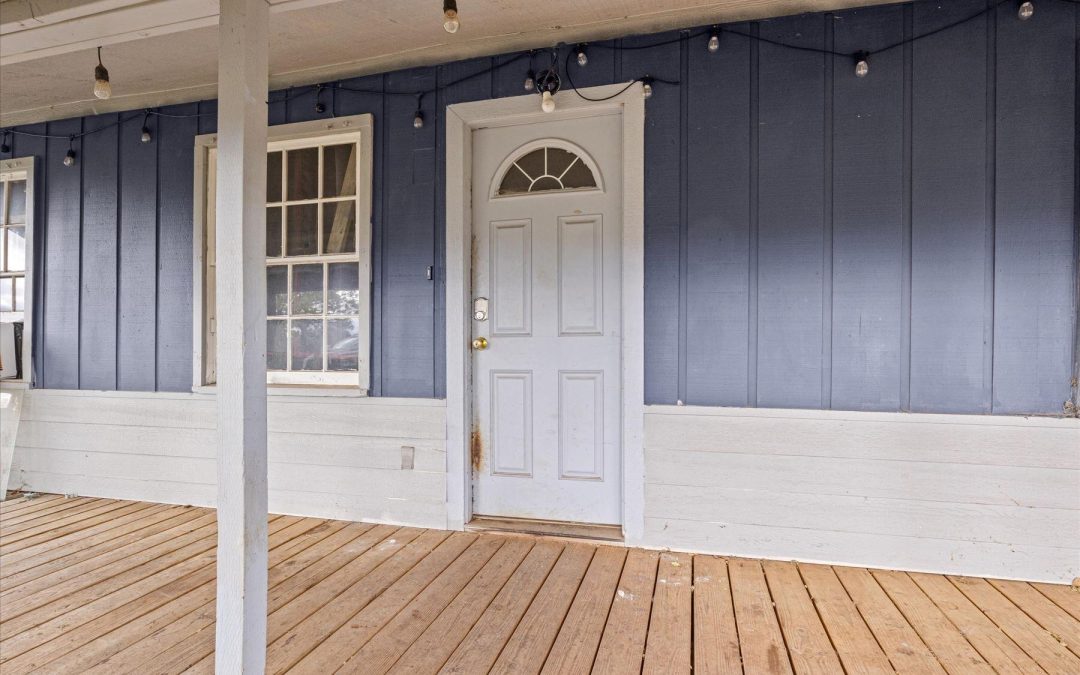
by Katherine Soditus | Jun 9, 2026 | Residential | Closed

$220,000
Closed
Investment + Opportunity = Potential! This charming stick-built home on over an acre offers a unique blend of residential comfort and commercial possibility with rare Rural Industrial zoning in the Illinois Valley. Create your vision — an RV park, shop space, storage units, or small business (check county for approved uses). The 2 bed, 1 bath home features classic architecture, solid bones, beautiful hardwood floors, and easy updates for instant equity. Enjoy level, usable acreage with ample parking, an oversized wood-framed carport, and peaceful mountain backdrop just minutes from markets and downtown amenities with ease of access to Highway 199. Quick access to Redwood Highway connects you to Coastal and Oregon Caves adventures. Seller AND private financing available — a rare chance for entrepreneurs or investors seeking flexible terms and instant occupancy. Sold As-Is and ready for move-in today — bring your ideas and make this versatile property work for you!
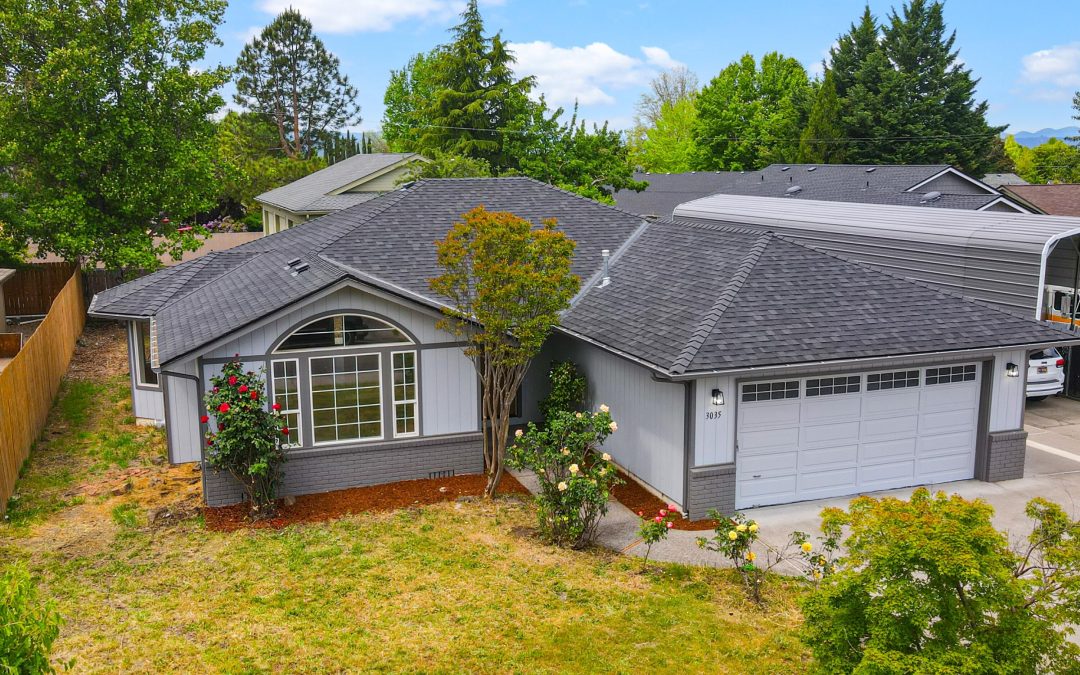
by Katherine Soditus | May 23, 2026 | OPEN HOUSE | Residential | Active
 OPEN HOUSE: Sat, May 23, 2026 08:00 PM – 10:00 PM
$459,900
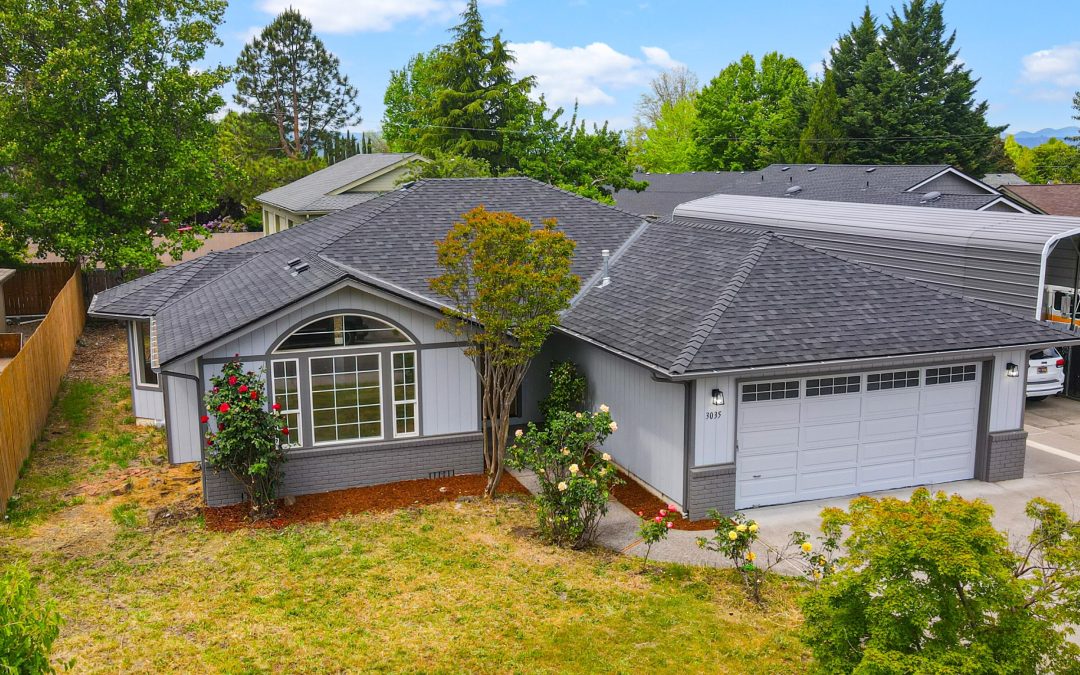
NEW-HOME BEAUTY 3BD/2BA 1778SF reflect craftsmanship & thoughtful design, offering spacious living with modern appeal. Dual formal w/vaulted ceiling & family living areas filled with natural light, oversized dining rm and 6+person granite counter breakfast bar. Open, neutral palette pairs seamlessly with upgraded flooring, fixtures, lighting, and premium stainless-steel appliances. Abundant storage with custom cabinetry, large entry closet & laundry rm storage (and BIG garage). Skylights, picture windows & sliding door create effortless indoor-outdoor flow drenched in sunshine. BIG primary w/walk-in closet. Spa-inspired tile showers, durable wood-look floors (no carpet!) and a single-level ”no steps” design that balances comfort & function. Fenced, fruit tree, wisteria; cul-de-sac & RV pkg. This isn’t just a remodel–it’s a transformation with new-build quality & new roof at an affordable price. Impeccably remodeled, move-in ready, and absolutely stunning. Fall in love at first step!
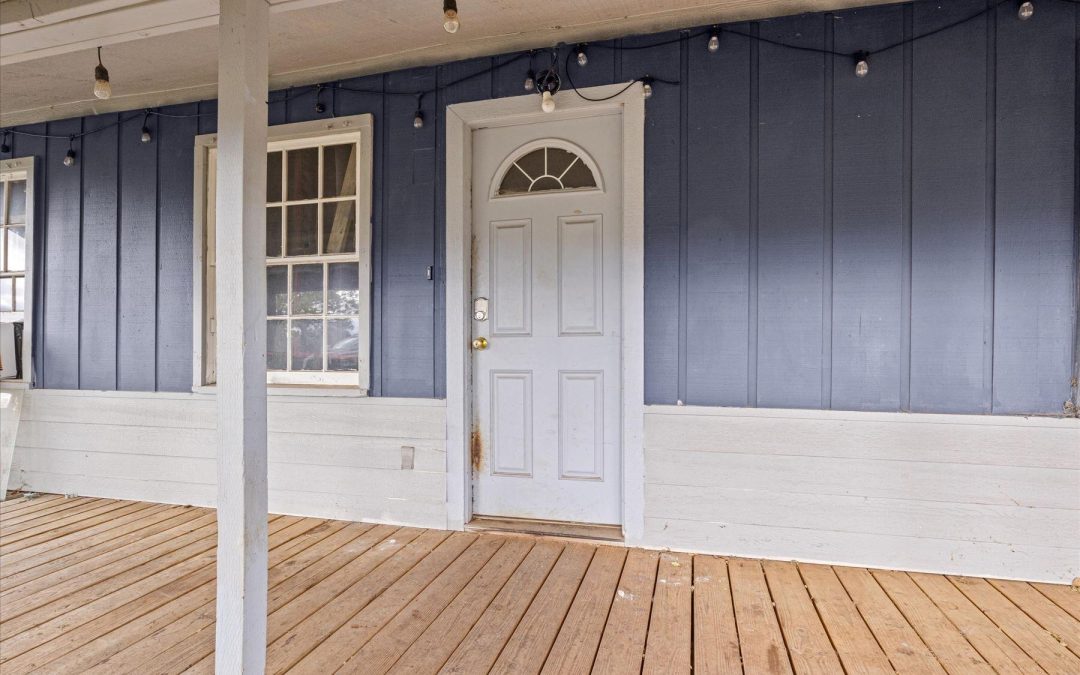
by Katherine Soditus | May 13, 2026 | Residential | Active Under Contract
$224,900
Active Under Contract
Investment + Opportunity = Potential! This charming stick-built home on over an acre offers a unique blend of residential comfort and commercial possibility with rare Rural Industrial zoning in the Illinois Valley. Create your vision — an RV park, shop space, storage units, or small business (check county for approved uses). The 2 bed, 1 bath home features classic architecture, solid bones, beautiful hardwood floors, and easy updates for instant equity. Enjoy level, usable acreage with ample parking, an oversized wood-framed carport, and peaceful mountain backdrop just minutes from markets and downtown amenities with ease of access to Highway 199. Quick access to Redwood Highway connects you to Coastal and Oregon Caves adventures. Seller AND private financing available — a rare chance for entrepreneurs or investors seeking flexible terms and instant occupancy. Sold As-Is and ready for move-in today — bring your ideas and make this versatile property work for you!

by Katherine Soditus | May 7, 2026 | Land | Closed

$139,000
Closed
Sustainability? We get it! This level, fenced 5+acre parcel at end of quiet cul-de-sac is an ideal location for your vision! Rural residential property features a strong, reliable well and outbuildings ideal for farming, storage, or workshop space. The land’s cleared, flat-to-rolling terrain supports immediate improvements, expansive gardening, or expanded development plans—perfect for a private estate, a hobby farm, or livestock/farm animal adventures (subject to county approvals). Power accessibility and a dependable water source reduce entry-barrier costs, while the end-of-road privacy enhances security and serenity. Improvements offer a foundation for future upgrades: barn, equipment sheds, BIG covered patio (outdoor entertainment area), and potential for additional structures. Private financing options may be available. Zoning guidance points to many options with domestic-use flexibility; confirm w/Planning. Let’s BUILD THE DREAM! Note: All visual media is digitally modified.
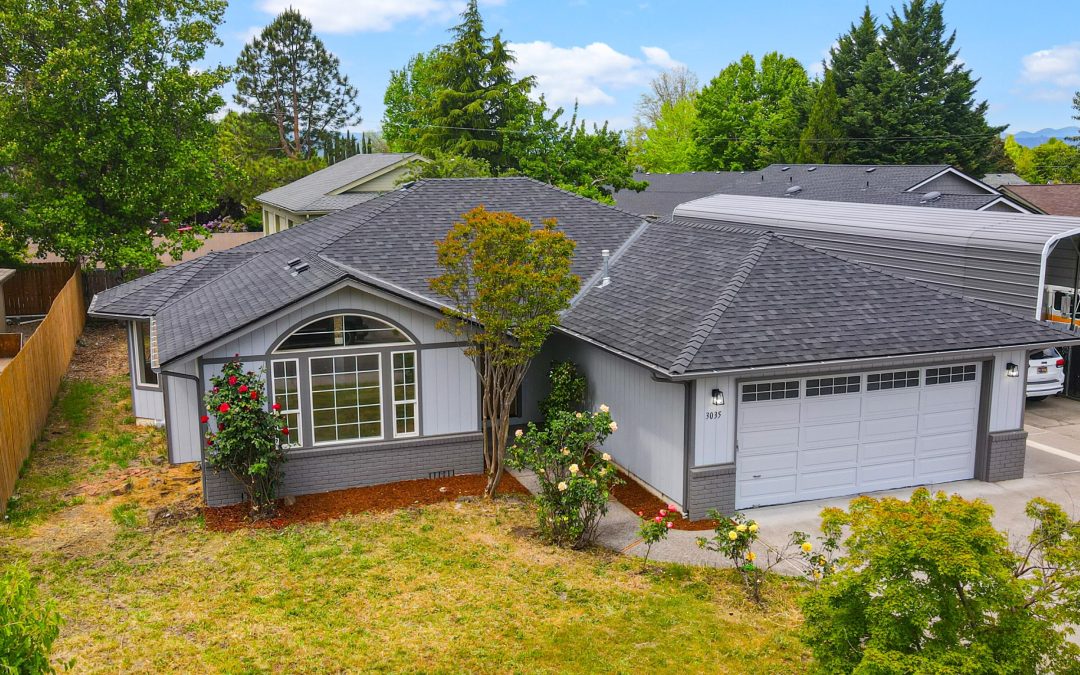
by Katherine Soditus | May 5, 2026 | OPEN HOUSE | Residential | Active
OPEN HOUSE: Sat, May 09, 2026 08:00 PM – 10:00 PM
$459,900
NEW-HOME BEAUTY 3BD/2BA 1778SF reflect craftsmanship & thoughtful design, offering spacious living with modern appeal. Dual formal w/vaulted ceiling & family living areas filled with natural light, oversized dining rm and 6+person granite counter breakfast bar. Open, neutral palette pairs seamlessly with upgraded flooring, fixtures, lighting, and premium stainless-steel appliances. Abundant storage with custom cabinetry, large entry closet & laundry rm storage (and BIG garage). Skylights, picture windows & sliding door create effortless indoor-outdoor flow drenched in sunshine. BIG primary w/walk-in closet. Spa-inspired tile showers, durable wood-look floors (no carpet!) and a single-level ”no steps” design that balances comfort & function. Fenced, fruit tree, wisteria; cul-de-sac & RV pkg. This isn’t just a remodel–it’s a transformation with new-build quality & new roof at an affordable price. Impeccably remodeled, move-in ready, and absolutely stunning. Fall in love at first step!
by Katherine Soditus | May 5, 2026 | Residential | Active
$459,900
Active
NEW-HOME BEAUTY 3BD/2BA 1778SF reflect craftsmanship & thoughtful design, offering spacious living with modern appeal. Dual formal w/vaulted ceiling & family living areas filled with natural light, oversized dining rm and 6+person granite counter breakfast bar. Open, neutral palette pairs seamlessly with upgraded flooring, fixtures, lighting, and premium stainless-steel appliances. Abundant storage with custom cabinetry, large entry closet & laundry rm storage (and BIG garage). Skylights, picture windows & sliding door create effortless indoor-outdoor flow drenched in sunshine. BIG primary w/walk-in closet. Spa-inspired tile showers, durable wood-look floors (no carpet!) and a single-level ”no steps” design that balances comfort & function. Fenced, fruit tree, wisteria; cul-de-sac & RV pkg. This isn’t just a remodel–it’s a transformation with new-build quality & new roof at an affordable price. Impeccably remodeled, move-in ready, and absolutely stunning. Fall in love at first step!

by Katherine Soditus | Apr 14, 2026 | Residential | Active

$465,000
Active
GOLDEN CHANCE IN GOLD HILL! Discover countryside bliss on 5 serene acres with TWO homes. The newer gem is a 2bd/2ba 1994 manufactured, offering modern comforts amid rustic charm. Plus, the vintage 1964 charmer–a 2bd/1ba second unit used for storage and not permitted living space. But wait, there’s more! A collection of outbuildings awaits exploration, including a roomy shop, a COLOSSAL RV carport that fits two RVs, and a detached 2car garage with a cozy office/workroom/bedroom–perfect for a home business. Animal lovers, rejoice! There’s a chicken coop, and plenty of space for livestock, gardening, or equestrian. Imagine a seasonal creek meandering behind the property, whispering tales of past gold panning. With a garage, TWO carports & ample room for RVs, this property is a haven for vehicles & gardeners with the 11gpm well (test on file); septic pumped. Whether you’re dreaming of a homestead or a retreat, this property invites you to explore its beauty AND opportunity!
by Katherine Soditus | Apr 2, 2026 | Residential | Active
$224,900
Active
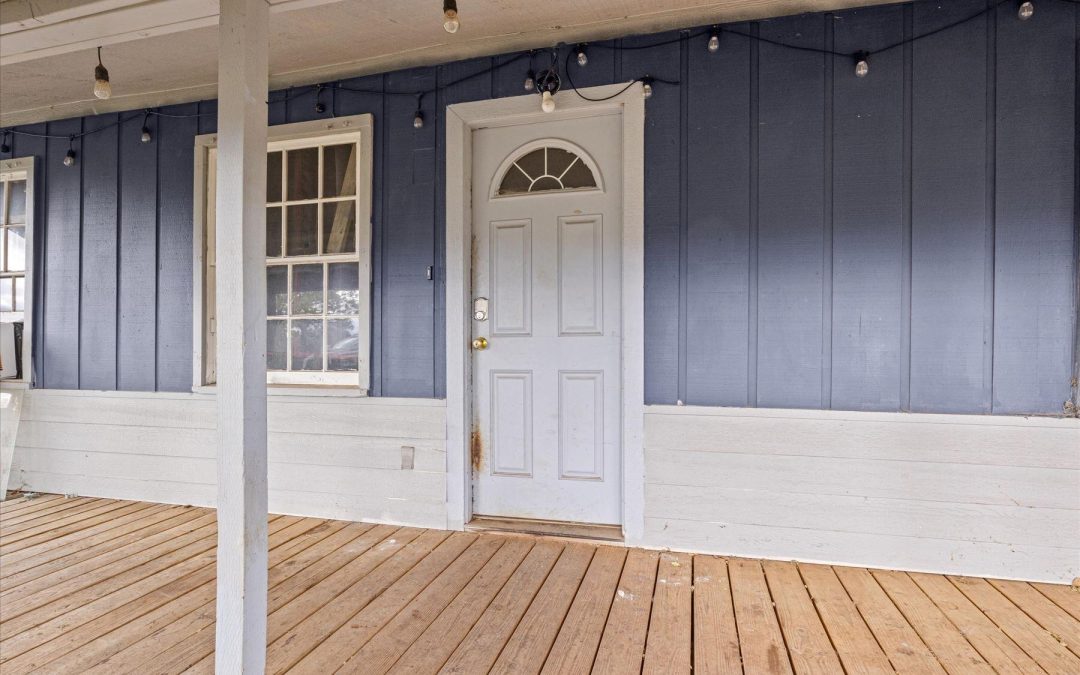
Investment + Opportunity = Potential! This charming stick-built home on over an acre offers a unique blend of residential comfort and commercial possibility with rare Rural Industrial zoning in the Illinois Valley. Create your vision — an RV park, shop space, storage units, or small business (check county for approved uses). The 2 bed, 1 bath home features classic architecture, solid bones, beautiful hardwood floors, and easy updates for instant equity. Enjoy level, usable acreage with ample parking, an oversized wood-framed carport, and peaceful mountain backdrop just minutes from markets and downtown amenities with ease of access to Highway 199. Quick access to Redwood Highway connects you to Coastal and Oregon Caves adventures. Seller AND private financing available — a rare chance for entrepreneurs or investors seeking flexible terms and instant occupancy. Sold As-Is and ready for move-in today — bring your ideas and make this versatile property work for you!
by Katherine Soditus | Apr 1, 2026 | Residential | Closed

$342,000
Closed
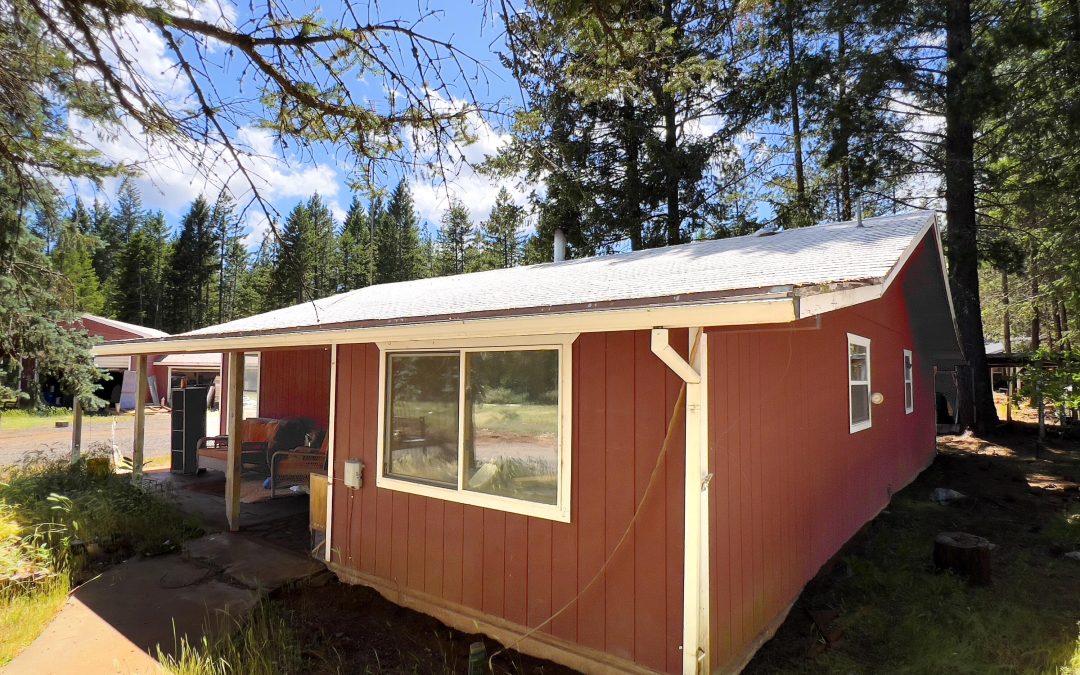
Welcome through the wrought iron gate to a unique multi-generational TWO HOMES on level, fenced 5-acre parcel. TWO rustic homes with knotty pine accents and exceptional potential. The original 1986 1bd/1ba home of appx 980sf has been recently remodeled. The second 2bd/2ba home built in 1981 home is appx 1190sf, originally built as hardship. This home has also been remodeled – check out the new bathroom when you tour! Each home is equipped with a separate septic system and electric meter. Records indicate that the roof on each home was replaced in 2009. Property includes several outbuildings: centrally located laundry building w/storage, oversized detached two-bay garage with workshop areas, sheds, and attached carport with BIG space for multiple RVs. The reliable well provides water to both homes; prior records show 27GPM! Currently undergoing remodel, this property offers significant development potential with multiple clearings, beautiful meadows, water & a forested perimeter!
by Katherine Soditus | Apr 1, 2026 | Residential | Pending

$429,000
Pending
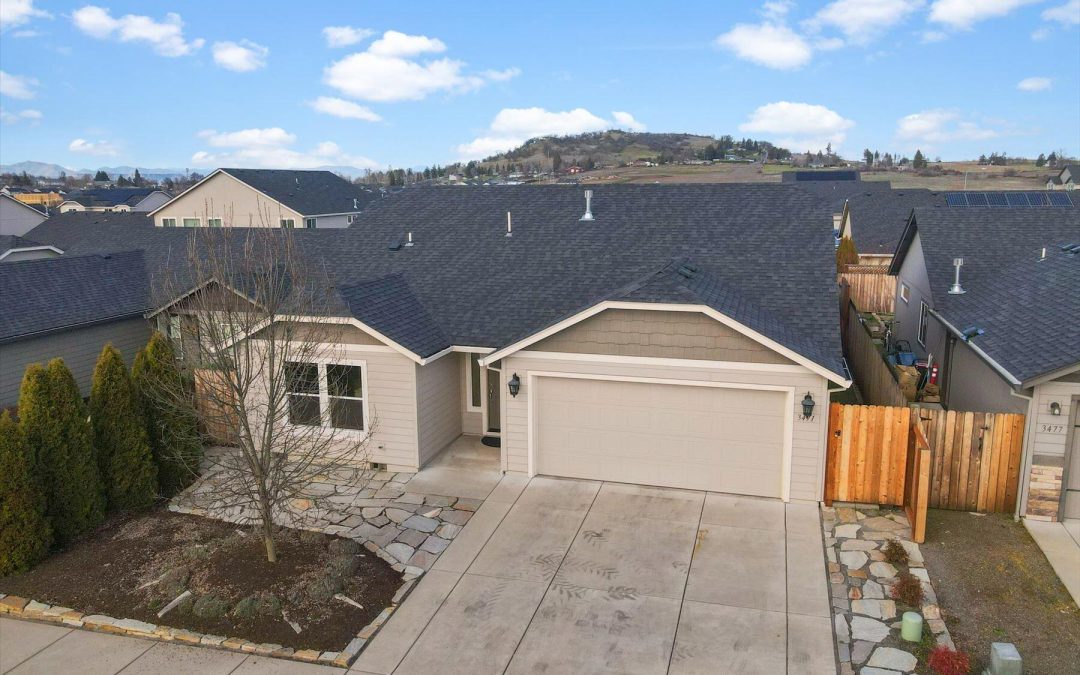
Step inside this beautifully maintained single-level Edgewood plan, offering upgraded comfort and thoughtful design. Near the heart of Medford within esteemed school district, this 3bd/2ba features an open-concept living space with vaulted ceilings and abundant natural light. Stylish kitchen boasts rich espresso cabinetry, designer-styled quartz countertops, full tile backsplash, an upgraded gas range, and a breakfast bar overlooking the dining and great rooms. Enjoy cozy evenings by the tiled gas fireplace or step through sliding doors to the covered patio and low-maintenance yard for outdoor living – with a BONUS enclosed outdoor room! The spacious primary suite offers dual walk-in closets and a double vanity bath. Exceptional highlights include solid wood plantation shutters throughout, neutral tones, tile in wet areas, laundry room and an oversized sheet-rocked garage. Move-in ready gem close to schools, shopping, and parks – the perfect blend of efficiency, elegance and location!